
Active vs Passive Stroke Exercises: Which Approach Leads to Better Recovery?
Active range of motion exercises play a vital role in stroke exercises designed to restore hand and arm function. Research shows that 87% of brain injury survivors experience some level of paralysis or weakness in the hand or upper limb. The United States records 700,000 strokes annually, with 5.5 million Americans living with continued deficits. Finding the right rehabilitation approach becomes significant to recovery.
Patients and healthcare providers often need to choose between active vs passive stroke exercises when designing an effective rehabilitation plan. Passive range of motion exercises help patients maintain flexibility and prevent joint stiffness. Active exercises help the central nervous system learn motor skills and promote neuroplasticity. A newer study shows that passive exercise benefits brain health as much as active exercise. Yet all but one of three patients with acute upper extremity paresis after stroke achieve full functional recovery.
Physical and occupational therapists blend these techniques in their treatment plans. The best results come from starting treatment in the first three months after a neurological injury. Spasticity affects 17 to 38 percent of survivors and disrupts brain-to-muscle signals. This makes the choice between passive and active treatment even more important.
This piece explores the mechanics, clinical evidence, and real-world applications of both exercise types. The goal is to help you understand which approach might work better for stroke rehabilitation outcomes.
Active vs Passve Stroke Exercises: Key Differences
The way movement is generated during therapy is what distinguishes active from passive rehabilitation approaches. Understanding these mechanics helps explain how each method supports brain recovery in different ways.
Passive movement: therapist-guided or self-assisted
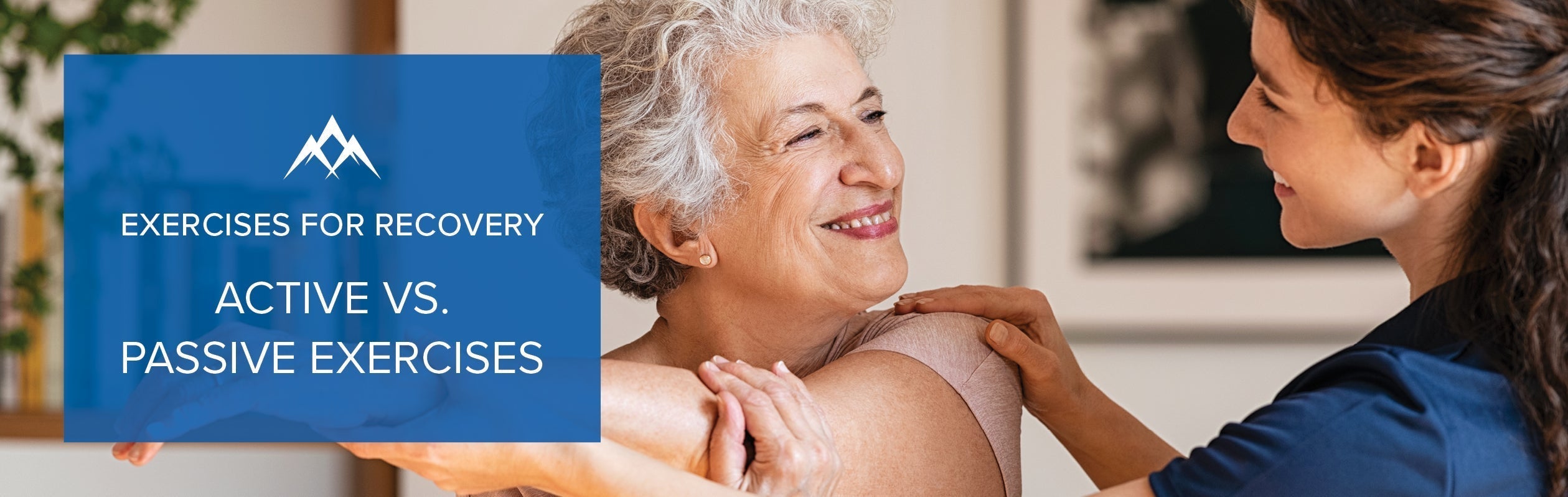
Passive range of motion exercises after neurologic injury (PROM) do not require the patient to actively contract their muscles. Instead, an external force moves the joints through their available range of motion. This assistance can come from a therapist, caregiver, the unaffected limb, or a mechanical device.
Therapist-assisted range of motion exercises help maintain joint flexibility, prevent muscle contractures, and improve circulation in affected arms and hands. For individuals with limited mobility after an injury, it’s essential to begin PROM exercises as early as possible to protect joint health and prepare the body for future active movement. PROM also plays a vital role in reducing spasticity, a condition that affects a significant portion of stroke survivors. Performing regular, gentle movements within a comfortable range helps maintain muscle length and reduce stiffness.
Active movement: voluntary muscle contraction and control
Active exercises differ from passive ones because they require voluntary muscle activation from the patient. These movements involve purposeful effort, engaging neural pathways that connect the brain to the muscles. Since a cerebrovascular accident (CVA) can disrupt these pathways, retraining them is a critical part of rehabilitation.
Active range of motion exercises after injury may include voluntary movement training, strengthening, and functional tasks that promote neuroplasticity exercises for motor recovery. By repeatedly practicing these exercises, the brain strengthens its communication with muscles, improving coordination and control over time.
Research shows that consistent active exercise promotes the creation and reinforcement of new neural pathways, leading to better functional recovery and independence in daily activities [1].
Role of sensory input and motor output in stroke recovery
Sensory input is essential for regaining motor control after a CVA or brain injury. All movement training, active or passive, relies on sensory feedback. The posterior parietal cortex combines visual, tactile, and proprioceptive signals to coordinate movement through sensorimotor integration.
Effective recovery requires both feedforward (intention-based) and feedback (sensory-based) control. Reconnecting these systems helps rebuild the brain’s motor network. Even externally guided movement provides sensory input that supports brain retraining after stroke, particularly when patients actively attend to the motion.
Clinical Evidence: What Research Says About Recovery Outcomes
Research shows that the timing and type of exercise play a major role in recovery outcomes. While both active and passive exercises are important, active movement, when possible, offers greater long-term benefits for regaining strength, coordination, and independence. Let’s look at what the evidence says about each approach.
Early passive range of motion and motor function improvement
Starting passive range of motion exercises during acute stroke rehabilitation, ideally within the first few days, can have a meaningful impact on long-term outcomes. Passive exercises help maintain joint flexibility, reduce stiffness and swelling, and promote circulation in muscles that are not yet strong enough for active movement.
Even when patients cannot actively move an affected limb, passive movement provides important sensory input to the brain, helping preserve neural pathways and prepare the body for future active rehabilitation. Early PROM lays the groundwork for later exercises, making it easier for patients to progress safely to active movements and functional tasks.
Active exercise and long-term independence
Active recovery exercises are crucial for rebuilding strength, coordination, and functional independence. These exercises involve voluntary muscle contraction, which stimulates the brain and encourages neuroplasticity—the process of forming new neural connections to compensate for stroke-related damage.
Active movement helps patients rebuild control over daily activities such as reaching, grasping, walking, and balancing. Over time, consistent active exercise improves endurance, strength, and confidence, enabling survivors to perform everyday tasks more independently. Active training also reinforces the benefits of early passive exercises, creating a smooth transition from assisted to voluntary movement.
Combining both for optimal neuroplasticity
The most effective stroke rehabilitation often combines passive movement with active-assisted exercises and voluntary practice. Passive exercises prepare the muscles and joints, while active or active-assisted movements engage the brain and strengthen neural connections.
1. Complementary Benefits
Research shows that combining assisted movement with active practice produces better outcomes than either approach alone [2]. For example, following a period of assisted arm movements with repetitive upper-extremity task practice can improve motor recovery more than task practice by itself. Passive or assisted movements create consistent movement patterns, which help generate the physiological responses necessary for neuroplasticity.
2. Timing Matters
The stage of recovery determines which approach is most effective:
- Acute phase (first days/weeks): Passive exercises are most beneficial for maintaining joint health and providing sensory stimulation if active motion is unavailable.
- Late subacute phase: Active-assisted exercises and repetitive task practice help patients regain voluntary control while reinforcing neural pathways.
Recovery typically progresses from passive → active-assisted → fully active exercises as strength and motor control improve.
Designing a Stroke Rehab Plan: Therapist and Patient Roles
A patient's unique circumstances play a vital role in creating their rehabilitation strategy. The team of physical and occupational therapists creates personalized plans. They base these plans on a complete assessment that guides patients from hospital to home.
How therapists determine exercise type and intensity
Rehabilitation specialists consider several key factors before prescribing range of motion or other exercises for individuals recovering from neurological injury.
The care team typically evaluates:
- Current functional limitations
- Comorbidities and pre-existing medical conditions
- Patient priorities and goals
- Available environmental resources
Therapists may also perform graded exercise assessments to determine a safe starting point for each patient.
Common monitoring techniques include:
- Heart rate tracking – one of the most widely used methods
- Rate of perceived exertion (Borg 6–20 scale)
- Walking speed or gait assessments to track progress
Exercise intensity is adjusted based on the phase of rehabilitation. In the early days after a stroke, therapists focus on gentle movements to maintain joint health, prevent complications from inactivity, and provide the foundation for later active or active-assisted training.
Active-assisted exercises as a bridge
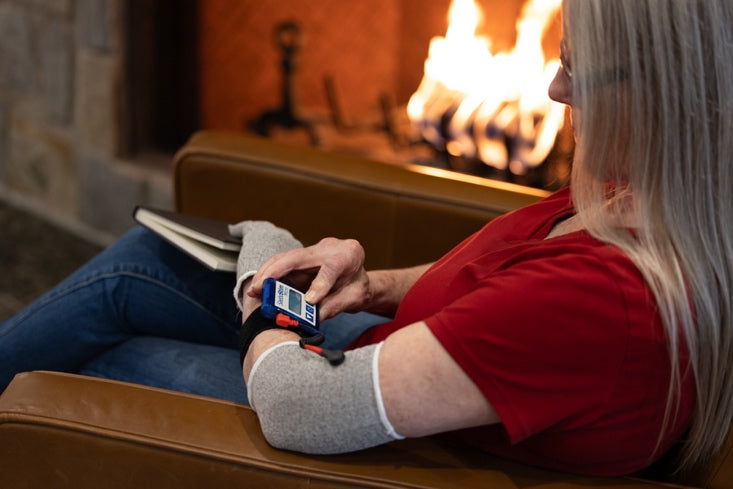
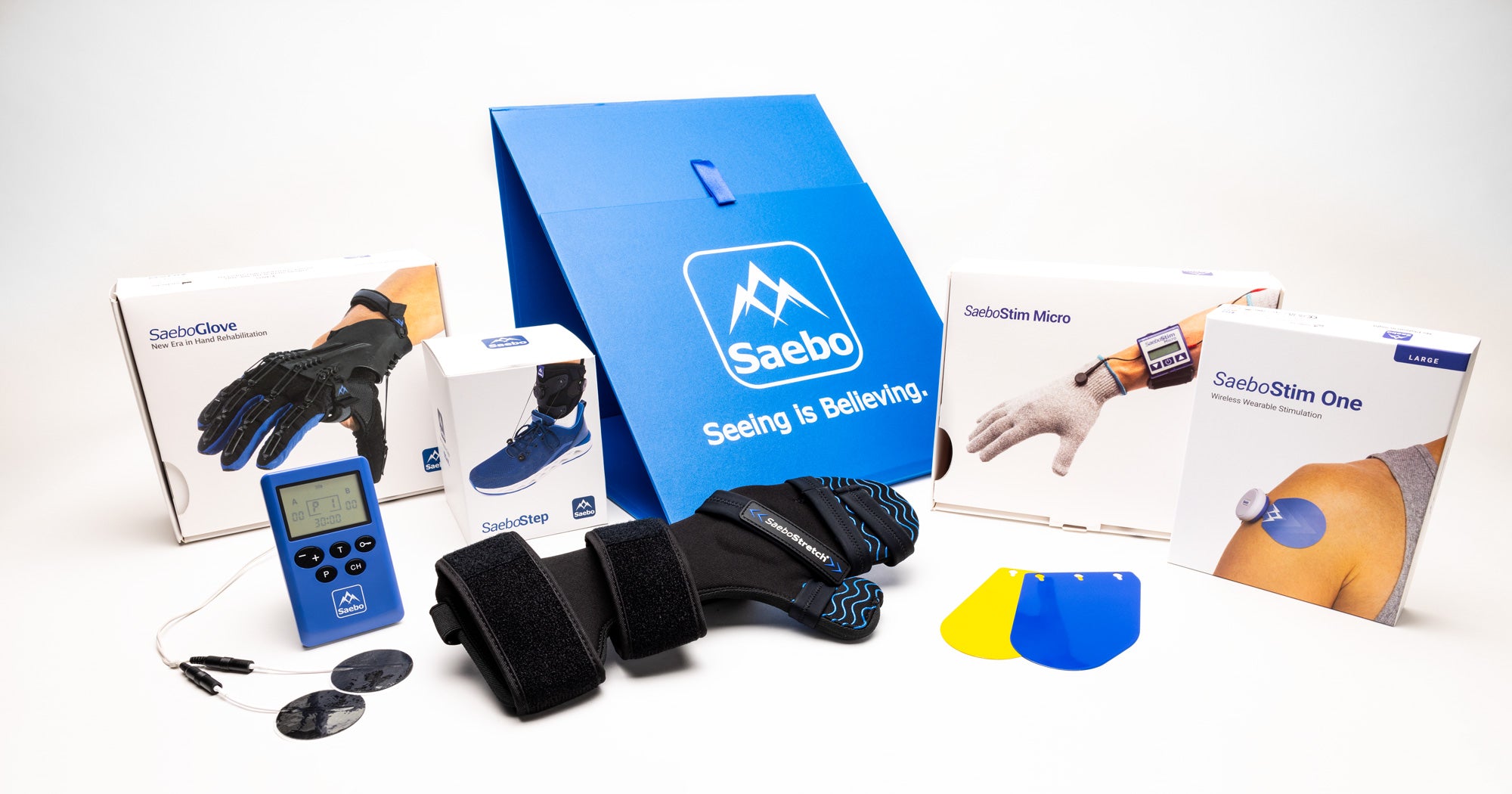
Active-assisted exercises become crucial once patients move past the acute phase or start showing some signs of muscle activation. In clinical practice, active-assisted stroke exercises may be supported by rehabilitation tools such as dynamic orthoses or task-specific training devices. For example, Saebo develops rehabilitation solutions designed to assist voluntary hand and arm movement, allowing patients to actively participate in therapy earlier while reinforcing proper movement patterns. These exercises bridge the gap between passive and fully active movements. Patients actively take part while getting help from a therapist or caregiver.
This approach helps patients rebuild neural pathways gradually while receiving needed support. Clinical practice shows therapists might use resistance bands during sit-to-stand activities to boost muscle activation. They also use chest-deep water exercises to enhance cardiorespiratory fitness.
Creating a home program with safe progression
Long-term progress depends on home exercises for stroke recovery that safely build on what patients learn during therapy sessions. Therapists often start by identifying a couple functional activities that are most challenging for the patient and caregiver, then design exercises targeting those specific limitations. For patients working on hand and arm exercises at home, therapists may incorporate assistive devices to support safe, repetitive practice. For example, the SaeboGlove can be used to assist finger extension during functional tasks, helping patients practice grasp-and-release movements while maintaining proper hand positioning.
Key components of a safe and effective home program include:
- Clear safety guidelines: Stop exercises if pain occurs, stay hydrated, and avoid unsafe movements.
- Regular reassessments: Adjust difficulty and intensity as the patient progresses.
- Gradual progression: Move from structured, therapist-guided exercises to self-directed physical activity over time.
Research indicates that supervised training followed by stroke exercises at home can improve physical function and help maintain gains for months or even years. A consistent, safe home routine reinforces progress made in therapy and supports ongoing neuroplasticity and functional recovery.
Real-World Application: Exercise Examples by Recovery Phase
Neurological rehabilitation works best when exercises are matched to each stage of the recovery timeline. The exercises change from passive to active movements as nerve function returns. It is essential to understand the purpose of each type of exercise.
Acute phase: gentle passive range of motion exercises
During early stroke rehabilitation, the brain may not yet send proper signals to affected muscles, resulting in weakness or paralysis. Recovery at this stage focuses on maintaining joint health, circulation, and sensory stimulation.
Key early interventions include:
- Passive range of motion exercises performed by a therapist, caregiver, or mechanical device
- Proper positioning and stretching techniques to prevent joint stiffness and contractures
- Gentle sensory stimulation to engage nerve pathways and encourage early cortical activation
Passive exercises should ideally start within 24–48 hours after onset, tailored to the patient’s tolerance. Sessions typically last 15–40 minutes, repeated several times daily, with intensity gradually increasing as the patient can safely handle more movement. While these exercises help maintain joint mobility in the early stages, it is important to progress to active or active-assisted exercises as soon as the patient is able.
Subacute phase: active-assisted and light resistance training
Once patients regain some voluntary control and simple limb movements, therapy typically progresses to active-assisted exercises, often beginning around one week after stroke.
In this middle phase, patients initiate the movement themselves, while a therapist, caregiver, or device helps complete the motion safely. Exercises commonly include:
- Hand and arm exercises after stroke, such as assisted flexion and extension movements
- Mirror therapy to encourage motor planning and brain activation
- Comfortable range-of-motion exercises that build coordination and strength
This stage helps survivors gradually regain control over their limbs while continuing to maintain joint health and prevent stiffness.
Chronic phase: full active exercises and endurance building
In the chronic phase of CVA recovery, patients are ready for fully active exercises that they can perform independently. This stage emphasizes strengthening, coordination, and endurance to support upper extremity stroke recovery and daily functional independence. Exercises may include repetitive task practice, resistance training, walking, and functional activities tailored to the patient’s goals. Consistent practice at this stage reinforces neural connections, supports long-term independence, and helps survivors regain confidence in performing everyday tasks.
Incorporating stroke range of motion exercises into daily life
Daily tasks create natural rehabilitation opportunities. Simple activities like turning doorknobs, wiping counters, and folding laundry involve affected arms in a natural way. Common household items work well as exercise tools - canned goods become light weights, rolled socks help with grip strength, and towels provide resistance.
Saebo Exercise Guide
The Saebo Exercise Guide is a practical, easy-to-follow resource designed to help individuals improve strength, coordination, and mobility after neurological injuries. Packed with clear instructions and visual demonstrations, it guides users through targeted exercises that can be performed at home or in therapy sessions. A vital resource to support the implementation of the various discussed in this piece, the guide empowers patients and caregivers to safely work toward functional gains and greater independence. You can access the Exercise Guide here.
Comparison Table
|
Category |
Active Exercises |
Passive Exercises |
|
Movement Mechanism |
Patient voluntarily contracts muscles to move the limb or body part. |
Movement is performed by an external force (therapist, machine, or caregiver) without patient muscle activation. |
|
Primary Benefits |
- Improves muscle strength and coordination - Enhances motor control and functional independence - Stimulates neuroplasticity |
- Maintains joint flexibility and range of motion - Reduces contractures and stiffness - Reduces risk of pressure sores and edema |
|
Required Patient Condition |
Patient has some voluntary muscle control and can participate actively. |
Patient has little to no voluntary movement or is too weak to perform active exercises. |
|
Examples of Exercises |
- Elbow flexion/extension for functional reaching |
- Therapist moving patient’s arm or leg through its full range - Passive stretching of fingers or wrist |
Conclusion
Stroke recovery requires a carefully tailored approach that adapts to each patient’s progress. Both passive and active exercises play essential roles at different stages of rehabilitation rather than serving as competing alternatives. Passive range-of-motion exercises are most beneficial during the acute phase, helping maintain joint flexibility and prevent contractures when voluntary movement is limited. Active exercises become increasingly important as patients regain strength and control, promoting long-term independence, functional capacity, and neuroplasticity.
Research indicates that a combined, staged approach maximizes recovery outcomes. Early initiation of passive exercises, ideally within 48 hours after stroke, can yield substantial benefits, while active exercises should progressively increase as the patient’s abilities improve.
Professional supervision is crucial to guide this transition, but home exercise programs are equally important for sustained recovery. Integrating exercises into daily activities ensures that rehabilitation continues beyond formal therapy sessions. Ultimately, successful outcomes are not about choosing between approaches, but about using active vs passive \ exercises strategically throughout the rehabilitation process.
Key Takeaways
Understanding the strategic use of both passive and active exercises can significantly enhance neuro recovery and help survivors regain independence more effectively.
- Timing is critical: Begin passive exercises within 48 hours post-stroke to prevent complications, then transition to active exercises as voluntary movement returns, typically over 3–6 months.
- Combined approach is most effective: Evidence shows that integrating passive and active exercises maximizes neuroplasticity compared to using either method alone [3].
- Active exercises build strength and function: Unlike passive movements, active exercises require voluntary muscle contraction, which strengthens muscles, improves coordination, and reinforces functional tasks, directly supporting daily living activities.
- Home practice is essential: Consistent daily exercises beyond formal therapy are crucial for sustained recovery. Incorporating functional activities, such as folding laundry or reaching for objects, provides natural, task-oriented rehabilitation opportunities.
- Professional guidance ensures safety and progress: Therapists tailor exercise intensity and progression, guiding patients from passive to active-assisted and eventually fully active movements.
Successful stroke rehabilitation is not about choosing between passive or active exercises, but about implementing both strategically within a comprehensive, professionally guided plan that adapts to the patient’s evolving capabilities.
References
Todo el contenido de este blog es únicamente informativo y no sustituye el consejo, diagnóstico ni tratamiento médico profesional. Consulte siempre con su médico u otro profesional de la salud cualificado si tiene alguna pregunta sobre una afección médica. Si cree que puede tener una emergencia médica, llame a su médico o al 911 de inmediato. Confiar en la información proporcionada por el sitio web de Saebo es bajo su propio riesgo.
