
Hand Spasticity After Stroke: Causes, Treatment, Exercises, and Recovery
Understanding what causes hand spasticity after stroke can help you find the right treatment path and improve your chances of recovery. Spasticity affects approximately 25% of stroke survivors and is one of the most common complications following a stroke [1]. Most individuals begin to experience increased muscle tone within one to three months after their stroke, although symptoms can develop sooner or later.
Hand spasticity after stroke can interfere with rehabilitation, hand function, daily activities, and overall quality of life. When left untreated, it may contribute to joint stiffness, muscle shortening, and contractures that make movement increasingly difficult.
In this article, we'll explain what causes post-stroke spasticity, why a hand may remain closed after stroke, and the most effective treatment options, exercises, and rehabilitation strategies available.
What Causes Spasticity After a Stroke?
A stroke can damage areas of the brain responsible for controlling movement and regulating muscle tone. When these areas are injured, communication between the brain and muscles becomes disrupted, creating an imbalance in the signals that control muscle activity.
Disrupted Brain-Muscle Communication
Under normal circumstances, the brain continuously sends messages that tell muscles when to contract and when to relax. Following a stroke, these communication pathways can become impaired.
As a result, muscles may receive too many signals to contract and not enough signals to relax, causing stiffness, involuntary muscle activity, and increased muscle tone. This often affects the arm, wrist, hand, and fingers.
The severity and location of the stroke can influence whether spasticity develops and how significant it becomes.
Loss of Inhibitory Signals
The brain normally provides inhibitory signals that help regulate muscle tone and prevent excessive muscle contractions. When a stroke damages these pathways, the nervous system may become overactive.
Without these inhibitory signals, spinal reflexes become more sensitive and muscles may respond excessively to movement or stretching. This increased reflex activity contributes to the development of spasticity.
The Role of Upper Motor Neuron Damage
Spasticity is a component of upper motor neuron syndrome, which commonly occurs following stroke. Upper motor neuron damage may result in weakness, increased muscle tone, exaggerated reflexes, and difficulty controlling movement.
Rather than being caused by a single damaged pathway, spasticity develops because the brain can no longer effectively regulate muscle activity and spinal reflexes.
When Does Spasticity Typically Develop?
Spasticity does not always appear immediately after a stroke. For some survivors, muscle stiffness and tightness begin within the first few weeks. For others, symptoms may develop gradually over several months.
Many people first notice spasticity when their arm, hand, or fingers become increasingly difficult to move, stretch, or relax. Without treatment, these symptoms may become more noticeable over time and can interfere with recovery and everyday activities.
Because spasticity often develops gradually, it is important to monitor changes in muscle tightness, movement, and hand function throughout the recovery process. Early treatment may help reduce complications and improve long-term outcomes.
Understanding the Closed Hand After Stroke
One of the most common effects of hand spasticity after stroke is the development of a clenched fist or closed hand posture.
Why Do Fingers Curl Inward After Stroke?
Hand spasticity after stroke often affects the finger flexor muscles, which are responsible for bending the fingers.
When these muscles become overactive, it becomes difficult to actively straighten the fingers or open the hand. As a result, many stroke survivors develop a clenched fist or closed hand posture that can interfere with grasping, releasing, dressing, grooming, and other daily activities.
Soft tissue shortening can begin relatively early after stroke and may contribute to contracture development if mobility is not maintained.
Common Patterns of Hand Spasticity
Hand spasticity can affect more than just the fingers. Many stroke survivors notice their hand forming a clenched fist, their fingers curling into the palm, or their wrist bending downward. Some may have difficulty opening their hand to release an object, while others notice their arm pulling tightly against their body or stiffness extending into the shoulder.
These movement patterns can make everyday activities more challenging and are among the most common long-term effects of stroke, especially for individuals with significant weakness or paralysis on one side of the body.
Effects on Daily Activities
Hand spasticity can make many everyday activities more challenging. Tasks such as eating, dressing, bathing, writing, carrying objects, and completing household chores may require more time and effort when the hand cannot open or move normally.
As a result, many stroke survivors begin relying primarily on their unaffected hand. While this can help compensate for lost function in the short term, it may reduce opportunities to practice movements with the affected hand. Repetitive use of the affected hand is an important part of stroke rehabilitation because it helps stimulate neuroplasticity and supports ongoing recovery.
How Neuroplasticity Supports Recovery
Recovery is still possible even months or years after stroke. Through neuroplasticity, the brain can continue forming new neural pathways in response to repetitive, task-specific practice.
This is one reason rehabilitation exercises, hand therapy, and repetitive movement training remain important throughout the recovery journey. Consistent practice can help strengthen existing neural connections and support improvements in function over time.
Does Spasticity Go Away After Stroke?
Hand spasticity does not typically resolve on its own and may worsen over time if left untreated. However, this does not mean recovery is impossible.
Improvements in hand function are possible at every stage of recovery, including the chronic phase months or years after stroke. Early treatment may help prevent complications, but rehabilitation can still be beneficial long after the initial injury.
How to Treat Hand Spasticity After Stroke
Treatment is often most effective when multiple approaches are combined.
Physical and Occupational Therapy
Physical and occupational therapy are often the foundation of spasticity treatment after stroke. Therapy focuses on improving movement, reducing disability, and preventing complications such as pain, contractures, and loss of function. Therapists may recommend stretching, strengthening, task-specific training, and stroke hand exercises designed to improve mobility and functional use of the affected arm and hand. Occupational therapists may also help patients develop strategies to perform daily activities more independently while working to restore hand and arm function.
Stretching and Positioning
Stretching and positioning techniques may help maintain joint mobility and muscle length while reducing the risk of contracture development. Therapists often recommend positioning strategies for the arm and hand throughout the day, along with home stretching programs designed to reduce stiffness and maintain range of motion. While stretching alone may not eliminate spasticity, it can help improve comfort and preserve flexibility needed for functional movement and rehabilitation exercises.
Task-Specific Training and Repetitive Practice
Task-specific training improves mobility through repetitive, goal-directed practice that helps drive neuroplasticity and improve functional recovery. The goal is to repeatedly practice meaningful movements that are relevant to everyday life.
Examples include:
- Reaching activities
- Grasp-and-release exercises
- Object manipulation
- Functional self-care tasks
Research suggests that high-repetition practice can help the brain strengthen existing neural pathways and develop new ones [2]. This is one reason repetitive hand-opening, and grasp-and-release exercises are commonly recommended during stroke rehabilitation.
Electrical Stimulation
Neuromuscular electrical stimulation (NMES) may help improve muscle activation, reduce spasticity, and enhance participation in therapeutic exercise. Electrical stimulation uses small electrical impulses to activate nerves and muscles that may not be functioning normally after stroke.
Depending on the individual's needs, electrical stimulation may be used to encourage muscle contraction, improve motor control, or increase sensory input to the nervous system. It is often used alongside traditional rehabilitation programs rather than as a stand-alone treatment.
Botulinum Toxin Injections
Botulinum toxin injections are commonly used to reduce focal spasticity in muscles that have become excessively tight or overactive. By temporarily blocking communication between the nerve and muscle, these injections can help reduce muscle stiffness and make movement easier.
Effects typically begin within days, peak within several weeks, and may last approximately three months. Best results are often achieved when injections are combined with therapy, stretching, and exercise to maximize gains in function.
Because botulinum toxin is a medical treatment that must be carefully dosed and targeted, individuals should speak with their physician or rehabilitation specialist to determine whether it is appropriate for their specific condition and recovery goals.
Hand Bracing and Dynamic Orthoses
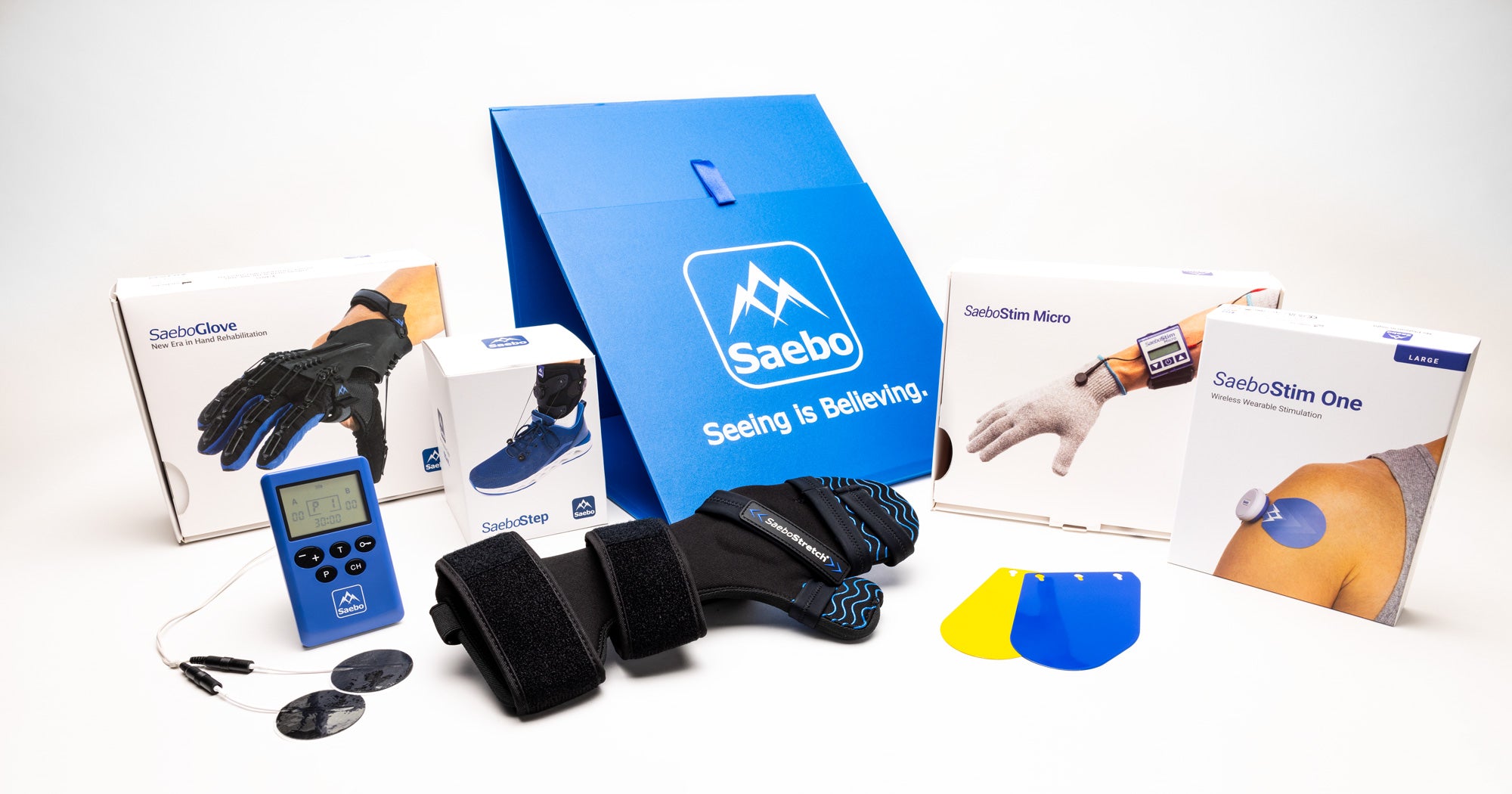
In some cases, hand splints or dynamic orthoses may be used to help maintain joint alignment, improve positioning, and reduce the risk of contracture development. One example of a dynamic resting hand orthotic is the SaeboStretch. These devices are often combined with exercise and therapy programs rather than used as a stand-alone intervention.
Saebo Devices for Hand Recovery
Saebo rehabilitation technology is designed to support stroke survivors in performing the repetitive, task-specific movements that are essential for improving hand function after stroke. These devices are often used alongside physical and occupational therapy to help promote neuroplasticity and improve active use of the affected hand.
The SaeboGlove uses elastic tensioners to assist finger extension during grasp-and-release exercises. This allows individuals with hand spasticity or weakness to practice opening and closing the hand more effectively, even when active finger movement is limited. Repetitive practice of this type may help improve motor control and functional hand use over time.
The SaeboStim Micro provides sensory electrical stimulation to the hand and forearm, which may help reduce spasticity, increase sensory input, and improve participation in rehabilitation exercises. It is often used to support both movement training and sensory re-education after stroke.
For individuals with more significant impairment, the SaeboFlex supports functional grasp-and-release training by assisting the hand into an open position during functional tasks. This can allow stroke survivors with limited voluntary movement to engage in repetitive task practice that would otherwise be difficult, helping reinforce movement patterns needed for daily activities.
Can a Closed Hand Recover After Stroke?
Yes. Even if a hand has remained closed for months or years after stroke, recovery may still be possible. The brain retains the ability to reorganize through neuroplasticity, particularly when rehabilitation includes repetitive, task-specific practice.
While every recovery journey is different, treatment approaches such as therapy, stretching, electrical stimulation, botulinum toxin injections, and rehabilitation devices may help improve hand opening and functional use of the affected hand.
The earlier treatment begins, the better. However, meaningful improvements can still occur long after the stroke itself.
Conclusion
Hand spasticity after stroke develops because damage to the brain disrupts the normal signals that regulate muscle tone. This can lead to stiffness, curled fingers, a clenched fist, and difficulty using the hand during everyday activities.
Fortunately, recovery is possible at every stage after stroke, including months or years after the initial injury. Working with your healthcare team to combine therapy, exercise, spasticity management, and evidence-based rehabilitation tools can help improve hand function and maximize recovery potential over time.
Whether you are experiencing a clenched fist, curled fingers, or difficulty opening your hand after stroke, consistent rehabilitation and repetitive practice remain some of the most effective ways to improve function and support long-term recovery.
Frequently Asked Questions
What causes hand spasticity after stroke?
Hand spasticity occurs when a stroke damages the parts of the brain responsible for regulating muscle tone and movement. This causes muscles to become overactive and resistant to stretching.
Why does my hand stay closed after stroke?
A closed hand often develops because the finger flexor muscles become overly active, making it difficult to open the hand or straighten the fingers.
Can a clenched fist recover after stroke?
Yes. Many individuals experience improvements in hand function through therapy, exercise, neuroplasticity-based training, electrical stimulation, and other rehabilitation interventions.
How long does spasticity last after stroke?
Spasticity can persist long-term if untreated. However, symptoms may improve with appropriate rehabilitation and medical management.
What exercises help open a closed hand after stroke?
Stretching, grasp-and-release activities, task-specific training, and repetitive hand-opening exercises are commonly used to improve mobility and function.
References
Todo el contenido de este blog es únicamente informativo y no sustituye el consejo, diagnóstico ni tratamiento médico profesional. Consulte siempre con su médico u otro profesional de la salud cualificado si tiene alguna pregunta sobre una afección médica. Si cree que puede tener una emergencia médica, llame a su médico o al 911 de inmediato. Confiar en la información proporcionada por el sitio web de Saebo es bajo su propio riesgo.
