
Right Hemisphere Stroke: Symptoms, Left-Side Neglect, Recovery, and Exercises

Unilateral (hemispatial) neglect is one of the most common and disabling effects of a right hemisphere stroke, often called a right brain stroke. It occurs when the brain fails to attend to one side of the body or environment—most often the left side after damage to the right hemisphere.
Current research shows:
- About 30% of all stroke survivors experience some degree of spatial neglect [1].
- Neglect occurs more often after right-hemisphere stroke, depending on the severity of the stroke and the timing of assessment.
Even with varying estimates, the evidence is clear: unilateral neglect after stroke is common, frequently underdiagnosed, and strongly linked to poorer functional recovery when not treated early.
This article outlines the key right hemisphere stroke symptoms, explains the mechanisms behind unilateral neglect, and highlights evidence-based recovery exercises and treatment strategies.
What Happens After a Right Hemisphere Stroke?
A right hemisphere stroke often causes unique cognitive, perceptual, and visual-spatial challenges that extend beyond the physical weakness most people associate with stroke. When the right side of the brain is damaged, it changes how individuals notice, process, and interact with the world around them. Many stroke survivors have trouble with attention, spatial judgment, awareness, and recognizing objects or people on one side of their environment. Understanding these changes is the first step toward effective stroke rehabilitation.
How the right brain controls attention and space
The right hemisphere plays a critical role in visual-spatial processing, environmental awareness, sustained attention, and perception of body position in space. Unlike other paired organs, each side of the brain has specialized roles, and the right side manages spatial judgment and attention to both sides of the body and world.
Key areas in the right frontal and parietal lobes regulate alertness and sustained attention. When a stroke damages these regions, individuals may develop spatial neglect and have difficulty staying focused or noticing things on one side, which significantly affects safety and independence.
Why spatial neglect is more common on the left side
Left-sided neglect after stroke occurs more frequently than right-sided neglect because attention networks are more heavily lateralized in the right hemisphere. These networks are larger and more interconnected in the right hemisphere, which is why many patients with acute right hemisphere stroke experience unilateral spatial neglect.
The brain’s main attention system, the one that helps us notice new or important things, is mostly controlled by the right hemisphere. This system also connects strongly with the brain’s guiding-movement and scanning system, which is why damage to the right side often causes left-side neglect.
When this system is disrupted by a right brain stroke, patients may fail to notice the left side of their body or environment despite intact vision. Left hemisphere strokes can cause neglect as well, but the symptoms are often overshadowed by language deficits and are therefore easier to miss.
What causes unilateral neglect?
Unilateral neglect is a neurological attention disorder, not a vision problem. Unlike a visual field cut (hemianopia), the eyes function normally, but the brain fails to process one side of space. Several theories explain why this occurs:
- Spatial representation disorder – trouble forming an accurate mental map
- Attention imbalance – difficulty directing attention to the affected side
- Lower arousal – reduced alertness in key brain networks
- Directional attention issues – impaired ability to orient attention
Overall, spatial neglect occurs when stroke disrupts the networks that control spatial attention or the pathways connecting them, causing the brain to overlook essential information on one side.
Recognizing the Signs Early
Early recognition of unilateral neglect stroke symptoms can significantly improve rehabilitation outcomes and safety. General stroke symptoms have familiar patterns, but right hemisphere strokes create unique challenges that need special attention.
Unilateral neglect stroke symptoms
The primary sign of hemi-spatial neglect is when a person fails to notice stimuli on the side opposite their brain injury, despite having normal vision and sensation. Unlike hemianopia (a visual field cut), patients with spatial neglect miss their affected side even though they can freely move their head and eyes.
Common daily life challenges
Spatial neglect after stroke can make everyday activities unsafe, frustrating, and confusing, particularly without structured rehabilitation strategies. Patients may:
- Bump into objects on their neglected side
- Eat only from one side of their plate
- Dress only half of their body
- Consistently face one direction
- Miss people or objects approaching from their affected side
These actions are neurological, not behavioral — patients are genuinely unaware of the neglected side. Because of this, unilateral neglect increases fall risk and makes bathing, dressing, and moving independently much more challenging.
Effective Treatments and What to Expect
People recovering from a right hemisphere stroke need a personalized rehabilitation plan that targets their specific cognitive, perceptual, and physical deficits. Recovery typically begins within the first 24–48 hours after stroke, and these early interventions build the foundation for long-term improvement.
Rehabilitation Therapies That Work
Coordinated rehabilitation is one of the most important parts of recovery after a right hemisphere stroke. Because spatial neglect affects perception, attention, mobility, and daily function, patients benefit most from a structured, multidisciplinary approach. Research shows that stroke survivors who engage in early, intensive, task-specific therapy often regain function more effectively than those receiving minimal rehabilitation.
Physical Therapy (PT)
Physical therapists help patients rebuild the motor skills needed for safe movement. For people with spatial neglect, PT focuses on:
- Improving balance and posture, which often shift toward the unaffected side
- Relearning coordinated movement patterns, including walking and transfers
- Reducing fall risk by teaching awareness strategies and safe mobility
- Strengthening weak or neglected limbs to improve symmetry in movement
PT often incorporates task-specific training, balance exercises, gait therapy, and strategies that encourage movement toward the neglected side.
Occupational Therapy (OT)
Occupational therapists address the daily activities that stroke survivors need to live independently. For spatial neglect, OT plays a central role in:
- Retraining attention to the neglected side during dressing, grooming, bathing, and eating
- Modifying home or hospital environments to support safe scanning and functional use of the neglected space
- Integrating tools and strategies such as visual cues, structured scanning routines, or prism therapy
- Improving upper limb function for tasks like buttoning clothing, brushing teeth, or using utensils
OT makes stroke recovery practical by embedding visual scanning, limb activation, and neglect-awareness strategies into real-life tasks.
Speech-Language Therapy (SLP)
For right hemisphere strokes, speech-language pathologists focus not only on speech, but also cognitive-communication skills, including:
- Attention and awareness, which are often impaired in spatial neglect
- Memory, problem-solving, and safety awareness
- Social communication skills, such as interpreting facial expressions, tone, or emotion
- Reading and writing tasks that require scanning into the neglected visual field
SLP helps patients improve cognitive-communication skills, attention, safety awareness, and visual scanning needed for reading and daily interaction.
Addressing Unilateral Neglect: Top Neurorehabilitation Strategies
Unilateral neglect is one of the most disruptive cognitive effects of a right hemisphere stroke, affecting safety, independence, and quality of life. Despite this challenge, with targeted strategies, patients can improve awareness and regain independence. Rehabilitation focuses on retraining the brain to notice and attend to the affected side while building safe habits for everyday activities.
Limb Activation and Motor Approaches
Engaging the affected arm or leg encourages the brain to attend to the neglected side.
- Simple movements: Reaching, touching, and interacting with objects on the affected side during therapy or meals.
- Guided use: Techniques that limit overreliance on the stronger limb, helping redirect attention and motor effort toward the weaker side.
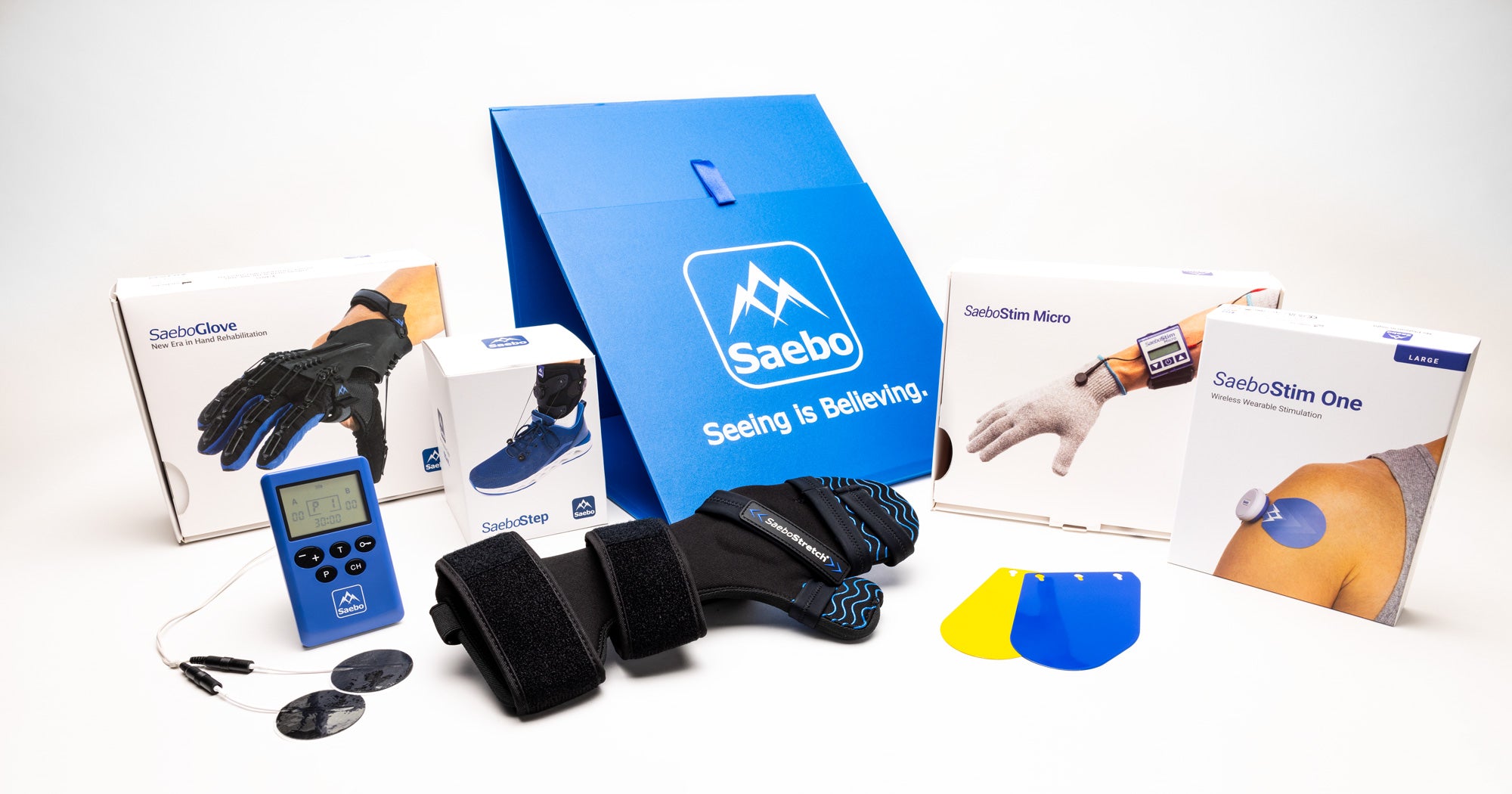
One example exercise for limb activation would be to encourage repeated reaching, tapping, or weight-bearing with the affected limb to stimulate awareness of the neglected space. Occupational therapists may incorporate neurorehabilitation tools, including Saebo dynamic orthoses, to encourage functional use of the affected upper limb.
Cognitive and Attention Training
Because neglect often stems from reduced attention or awareness rather than visual loss, targeted cognitive tasks play an important role.
- Computer-based programs: Interactive exercises that require scanning and responding to items on the neglected side.
- Attention drills: Letter cancellation tasks, matching activities, and pattern-following exercises that promote consistent engagement with the neglected space.
Visual Scanning and Exploration
Systematic scanning is one of the most widely used methods to improve awareness.
- Structured scanning exercises: Practicing movement from the midline toward the affected side during reading, eating, or daily activities.
- Visual cues: Using bright tape, mirrors, or strategically placed objects to prompt attention.
- Environmental design: Positioning important items on the neglected side to encourage natural interaction.
An example exercise for visual scanning may include things like placing brightly colored objects on the neglected side and practice locating, naming, and reaching for each item.
Prism Adaptation Therapy
Prism glasses shift the visual field slightly, prompting corrective movements toward the neglected side. With repeated practice especially when paired with functional daily tasks this approach can lead to lasting improvements in spatial awareness.
- Practical tip: Integrate prism work with activities such as reaching, grooming, or scanning the room to reinforce adaptation.
Daily Life Integration
Therapy is most effective when carried into real-world routines.
- Mealtimes: Arrange food and utensils on the affected side to encourage consistent scanning.
- Dressing and grooming: Place clothing and hygiene items where the patient must look toward the neglected side.
- Mobility practice: Encourage walking or wheelchair navigation that requires turning, scanning, and orienting toward the affected side.
Multisensory Cues
Using multiple types of feedback can strengthen awareness and engagement.
Sound cues: Verbal prompts or auditory signals that direct attention during tasks.
- Tactile input: Guiding the affected hand or providing touch-based cues to help the patient recognize and explore the neglected space.
Can Unilateral Neglect Improve?
Many patients experience meaningful improvement through neuroplasticity, particularly when therapy begins early and includes consistent scanning, limb activation, and task-specific training. Structured home programs, sometimes supported by Saebo rehabilitation devices designed for task-specific training, can reinforce therapy gains between clinical sessions.
Conclusion
Right hemisphere stroke recovery presents unique cognitive and perceptual challenges, especially when left-side neglect develops. This piece explores how right brain damage affects spatial awareness and attention beyond just physical limitations. The recovery experience is tough but multiple evidence-based approaches give us hope.
Early recognition of right hemisphere stroke symptoms — particularly unilateral neglect — can dramatically influence safety, independence, and rehabilitation success. Family members should get medical help right away if they notice their loved ones missing food on the left side of their plate or forgetting to dress one side of their body. Every minute counts when dealing with stroke complications.
Evidence-based rehabilitation therapies, including PT, OT, SLP, and visual-spatial interventions, play a central role in recovery. Physical therapy, occupational therapy, and specialized treatments like prism adaptation therapy help patients become aware of their affected side. It also helps when medications support these efforts by boosting neural recovery processes.
Everything in recovery depends on families and caregivers. Their support combined with professional rehabilitation creates the best environment to improve. Most patients make great strides with dedicated therapy, though recovery times vary based on stroke severity and personal factors.
Recovery after a right brain stroke requires patience, persistence, and structured, task-specific rehabilitation that promotes neuroplasticity. Research keeps improving our understanding of spatial neglect and treatment methods. We have a long way to go, but we can build on this progress. Many survivors can regain meaningful function and quality of life despite their original challenges.
FAQs About Right Hemisphere Stroke
What are the symptoms of a right hemisphere stroke?
Right hemisphere stroke symptoms often include left-sided weakness, spatial neglect, impaired attention, poor safety awareness, and visual-spatial deficits.
How is unilateral neglect treated?
Treatment typically includes occupational therapy, visual scanning training, limb activation strategies, prism adaptation therapy, and structured task-specific rehabilitation.
Can you recover from unilateral neglect?
Yes. Many stroke survivors improve through targeted rehabilitation, visual scanning therapy, and neuroplasticity-driven recovery.
Is unilateral neglect permanent?
Not always. Severity, lesion location, and rehabilitation intensity influence recovery outcomes.
What therapies help treat neglect?
Occupational therapy, physical therapy, prism adaptation, visual scanning exercises, and limb activation strategies are commonly used.
References
Todo el contenido de este blog es únicamente informativo y no sustituye el consejo, diagnóstico ni tratamiento médico profesional. Consulte siempre con su médico u otro profesional de la salud cualificado si tiene alguna pregunta sobre una afección médica. Si cree que puede tener una emergencia médica, llame a su médico o al 911 de inmediato. Confiar en la información proporcionada por el sitio web de Saebo es bajo su propio riesgo.
