
Subarachnoid Hemorrhage Recovery and Treatment: Timeline, Rehabilitation, and What to Expect

A subarachnoid hemorrhage (SAH) is a life-threatening type of stroke that requires immediate medical care and a structured recovery plan to support long-term healing. For patients, families, and rehabilitation professionals, understanding subarachnoid hemorrhage recovery is essential for setting expectations and supporting meaningful progress. Unlike other strokes, SAH involves bleeding into the space between the brain and its protective membranes, creating unique treatment needs and a distinct rehabilitation and recovery timeline.
Every SAH case demands a personalized approach, considering the severity of the bleed, its location, and the patient’s overall health. Recovery is a collaborative journey, involving neurosurgeons, intensive care teams, and rehabilitation specialists. Both immediate interventions and long-term therapy strategies are equally important. This guide walks through the process from initial diagnosis to rehabilitation, equipping therapists and patients with insights to navigate the road to recovery. During rehabilitation, consistent, targeted therapy is especially crucial, helping patients regain independence, restore function, and rebuild confidence in their daily lives.
What Makes Subarachnoid Hemorrhage Different from Other Strokes
Subarachnoid hemorrhage (SAH) is a serious neurological emergency distinguished by its sudden onset, high risk of complications, and need for immediate treatment. Understanding these unique characteristics can help patients, families, and therapists better navigate the recovery process.
Location of bleeding and what it means
What makes a subarachnoid hemorrhage (SAH) unique is where the bleeding occurs. In SAH, blood collects in the space between the brain and the thin protective tissues that surround it. Specifically, the bleeding fills the area between the arachnoid membrane (the middle layer) and the pia mater (the inner layer) of the meninges.
When blood spills into the subarachnoid space, it irritates the surface of the brain and nearby structures. This irritation is responsible for the classic “thunderclap headache” which is a sudden, severe headache that patients often describe as the worst of their lives.
The impact doesn’t stop there. Blood in this space can trigger several dangerous reactions, including:
- Increased intracranial pressure (ICP)
- Reduced blood flow to the brain
- Diffuse brain ischemia caused by irritation and blood vessel spasm
How SAH is different from ischemic and hemorrhagic strokes
All strokes disrupt brain function, but subarachnoid hemorrhage (SAH) has features that clearly set it apart. Traditional strokes fall into two categories: ischemic strokes (caused by blocked blood vessels) and hemorrhagic strokes (bleeding inside brain tissue). SAH is considered a hemorrhagic stroke, but its behavior is unique.
Unlike ischemic strokes, SAH involves bleeding rather than blockages. And unlike typical hemorrhagic strokes where blood leaks directly into brain tissue, SAH causes bleeding in the subarachnoid space surrounding the brain. This location leads to its hallmark symptoms, including a sudden severe headache, neck stiffness, and extreme light sensitivity.
The underlying cause also differs. Ruptured brain aneurysms account for 80–85% of spontaneous SAH cases, whereas other stroke types arise from clot formation, long-standing high blood pressure, or other vascular problems [1].
Why early detection is critical
Early recognition of a subarachnoid hemorrhage (SAH) is crucial for survival. When doctors identify SAH correctly during the first medical encounter patients have significantly better outcomes [2]. If the diagnosis is missed, recovery tends to worsen and risk of rebleeding is increased [3].
Rebleeding is particularly dangerous and most likely to occur within the first few hours after the initial hemorrhage. The risk is significant, and aneurysmal subarachnoid hemorrhage carries a high mortality rate even before patients reach the hospital.
These statistics highlight why fast, accurate diagnosis is one of the most important factors in SAH survival and long-term recovery.
From Symptoms to Diagnosis: What to Expect
Early recognition of a subarachnoid hemorrhage (SAH) can make a major difference in recovery. For many patients and therapists, understanding the early signs and what happens in the emergency room can help reduce fear and set clearer expectations.
Early warning signs
The most common first symptom is a sudden, intense “thunderclap” headache—often described as the worst headache someone has ever felt. It can come with nausea, neck stiffness, light sensitivity, or brief confusion or fainting. Some people notice a milder warning headache days or weeks before the major bleed, which doctors call a “sentinel” headache.
What happens in the ER
When someone arrives at the emergency room, the team immediately checks vital signs and performs a quick neurological exam. If SAH is suspected, doctors order a rapid CT scan to look for bleeding around the brain. This scan is most accurate in the first several hours, so timing matters. If the scan is unclear but symptoms point to SAH, additional tests—such as a lumbar puncture or CT angiography—may be used to confirm the diagnosis and find the source of bleeding.
Understanding your SAH grade
Once SAH is diagnosed, clinicians assign a “grade” to help predict complications, guide treatment decisions, and estimate recovery outcomes. These grading systems look at things like alertness, strength, and how much blood appears on the scan. For patients and therapists, the grade helps set expectations: milder grades often mean a smoother recovery path, while more severe grades may require longer hospital stays, closer monitoring, and more rehabilitation support.
Stages of Recovery after Subarachnoid Hemorrhage
Recovery after a subarachnoid hemorrhage typically unfolds in stages, and progress can continue for months or even years.
- Acute phase (days): Medical stabilization and aneurysm repair and intensive monitoring
- Early recovery (weeks): Early mobilization and inpatient rehabilitation as medical stability improves
- Subacute recovery (weeks-months): Outpatient or home-based therapy focused on strength, mobility, and daily activities
- Long-term recovery: Continued improvement through repetition, exercise, and task practice
The pace and extent of recovery vary based on severity, complications, and rehabilitation intensity.
Subarachnoid Hemorrhage Treatments Explained
A rapid, well-coordinated care approach is essential for managing a subarachnoid hemorrhage. Once the condition is identified, the medical team works quickly to stabilize the patient, control bleeding, prevent complications, and protect the brain from further injury. Early and organized treatment gives patients the best chance for improved outcomes and a stronger recovery journey.
Initial stabilization and ICU care
Once a subarachnoid hemorrhage (SAH) is diagnosed or strongly suspected, the priority is stabilizing vital functions. Patients with reduced consciousness often require airway protection through endotracheal intubation. Care teams also closely monitor ventilation to avoid the harmful effects of prolonged hyperventilation, which can worsen brain ischemia.
Outcomes are generally better when patients receive care at a comprehensive stroke center or specialized neurocritical care unit. These teams have the experience and protocols needed to reduce complications, lower mortality, and support better long-term functional recovery.
Surgical and non-surgical interventions
The aneurysm must be secured quickly, usually within 72 hours, to prevent another bleed. Initial treatment options may include:
- Clipping: A surgeon places a small clip to stop blood flow into the aneurysm.
- Coiling: Coils are placed inside the aneurysm to help it seal off.
- Flow Diversion or Embolization: Devices or materials are used to redirect blood flow or promote clotting.
These procedures protect the brain and allow recovery to begin safely.
Managing blood pressure and intracranial pressure
Before the aneurysm is treated, doctors aim to keep the systolic blood pressure under 150–160 mmHg to reduce the risk of rebleeding.
After treatment, the goal shifts to preventing delayed cerebral ischemia, a complication that can reduce blood flow to the brain.
If pressure in the brain increases, such as with hydrocephalus, patients may need an external ventricular drain to release excess fluid.
Rehabilitation After SAH: A Guide for Patients and Therapists
Recovery after a subarachnoid hemorrhage is a long journey that extends well beyond the ICU. Rehabilitation plays a central role in helping survivors regain mobility, independence, and cognitive function. A strong rehab plan gives patients structure, hope, and the tools they need to rebuild their lives.
When rehab starts and why timing matters
Rehabilitation after subarachnoid hemorrhage begins as early as possible, often while the patient is still in the ICU. Research consistently shows that early mobilization is both safe and effective. Patients who start rehab sooner:
- Reach higher mobility levels earlier
- Experience fewer complications such as clinical vasospasm
- Gain functional skills more quickly
In fact, studies show that each additional step in early mobilization during the first four days after aneurysm repair can reduce the risk of clinical vasospasm by more than 30% [4].
Early rehabilitation supports the brain during a critical window of recovery, when neuroplasticity is most active and responsive to repetition. Want to learn more about the critical window? Learn more here:
Why repetition matters in neurorehabilitation
Repetition is the engine of neurological recovery after a subarachnoid hemorrhage, driving neuroplastic changes that allow the brain to relearn lost skills. The brain heals and reorganizes through neuroplasticity—its ability to create new pathways or strengthen existing ones. Every repeated movement, task, or cognitive exercise reinforces these pathways, much like practicing a skill over and over builds muscle memory.
Research shows that regular, structured repetition:
- Improves motor control, balance, and mobility
- Strengthens cognitive abilities such as attention and memory
- Supports speech and language recovery
- Helps patients regain everyday skills faster
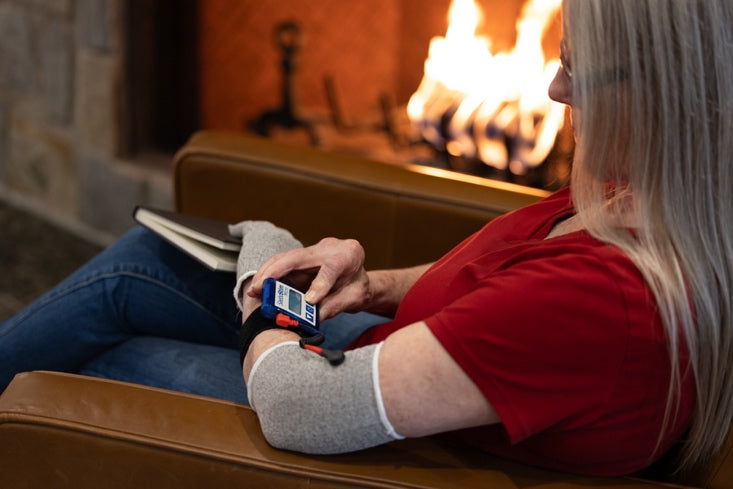
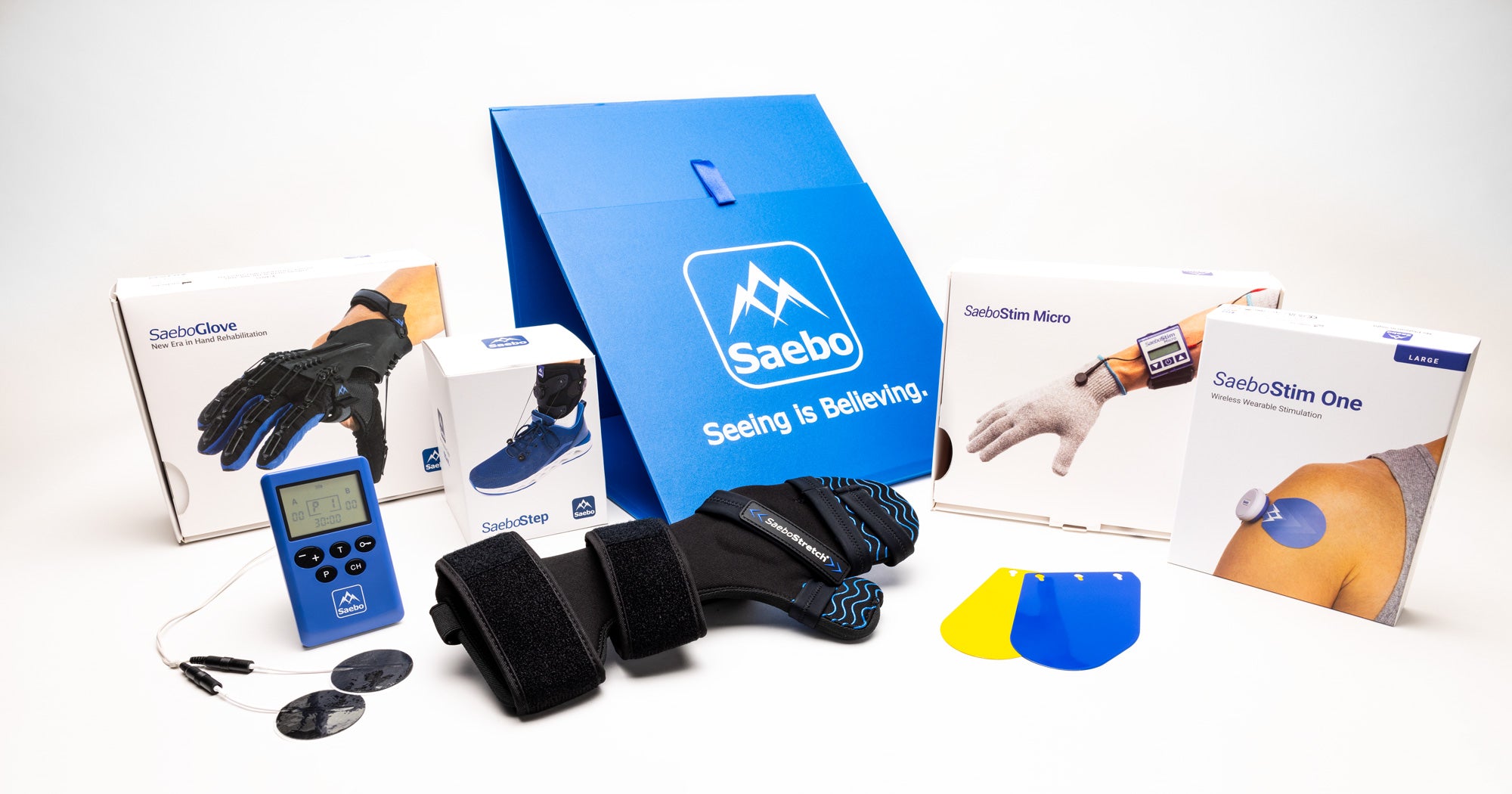
Even small, repeated actions such as lifting the arm, turning the head, practicing a phrase, or performing a simple ADL task accumulate into meaningful improvements over time. Rehabilitation tools and task-specific training approaches, including those commonly used in Saebo-supported neurorehabilitation programs, help increase meaningful repetition and functional practice.
Stroke Rehabilitation Exercises After Subarachnoid Hemorrhage
Below are examples of what rehabilitation may look like in both the ICU/early hospital phase and the home/community phase. This helps patients and families understand how therapy evolves through recovery.
ICU and Early Hospital Rehabilitation
Early mobilization and consistent repetition in the ICU help activate neuroplasticity, prevent complications, and set the foundation for functional recovery.
Physical Therapy
- Repetitive lower-body exercises such as marching, kicking, and stepping to improve strength and walking ability after SAH.
- Bed mobility practice: rolling, scooting, repositioning
- Early sitting and edge-of-bed balance to activate core muscles
- Assisted standing with support or standing frame
- Short bouts of gait training using a walker or body-weight–supported harness
- Range-of-motion exercises to prevent contractures
Occupational Therapy
- Upper-extremity recovery exercises, including repetitive reaching and grasping, to improve arm and hand function after stroke.
- Basic self-care tasks: washing face, brushing teeth, grooming with assistance
- Seated reaching tasks to retrain upper-limb function
- Simple ADL sequencing practice: organizing steps of a task like making a sandwich (even if performed cognitively rather than physically)
- Visual scanning and attention tasks for early cognitive support
Speech and Cognitive Therapy
- Orientation and attention drills: following 1–2 step commands, sustained attention tasks
- Basic swallow assessments and safe feeding strategies
- Early cognitive-communication exercises: naming items, simple word-finding tasks
- Education for family to support communication strategies
Rehabilitation After Discharge: Home and Outpatient Therapy
After discharge, repetition through daily activities and structured home exercises reinforces skills, strengthens independence, and supports continued recovery after subarachnoid hemorrhage.
Physical Therapy
- Strengthening programs: sit-to-stand reps, mini-squats, step-ups
- Gait training: practicing walking longer distances, navigating curbs, or adjusting to uneven surfaces
- Balance exercises: single-leg stance, tandem walking, wobble board
- Endurance building: walking routines, stationary bike sessions
Occupational Therapy
- Home-based ADL training: dressing, shower transfers, cooking simple meals
- Fine motor practice: buttoning, opening containers, handwriting exercises
- Energy conservation strategies: pacing, task organization, prioritizing daily activities
- Home modifications: grab bars, lighting changes, adaptive equipment for independence
Speech and Cognitive Therapy
- Memory support: using planners, phone reminders, and checklists
- Attention and executive function drills: sorting tasks, dual-task exercises, following multi-step instructions
- Home communication practice: structured conversation exercises, naming tasks, storytelling
- Computer- or app-based cognitive training when appropriate
Conclusion
Subarachnoid hemorrhage (SAH) differs from other strokes, with bleeding between the brain and protective membranes creating unique symptoms and treatment needs. Early detection—recognizing warning signs like a thunderclap headache—greatly improves outcomes. Treatment progresses from stabilization to surgery and medication management, with specialized stroke centers offering the best chance for recovery.
Rehabilitation is critical: early mobilization in the first days reduces complications, and daily therapy sessions of at least 45 minutes support functional gains. Physical therapy restores mobility, strength, and balance, while occupational therapy helps with daily activities that challenge most SAH survivors. Cognitive and speech therapy address deficits in memory, attention, executive function, and communication.
Recovery after subarachnoid hemorrhage is challenging but achievable, and meaningful improvements can continue months and even years after the initial injury. With specialized medical care, consistent rehabilitation, and active participation in therapy and home exercise programs, many survivors regain independence and quality of life after SAH.
References
Todo el contenido de este blog es únicamente informativo y no sustituye el consejo, diagnóstico ni tratamiento médico profesional. Consulte siempre con su médico u otro profesional de la salud cualificado si tiene alguna pregunta sobre una afección médica. Si cree que puede tener una emergencia médica, llame a su médico o al 911 de inmediato. Confiar en la información proporcionada por el sitio web de Saebo es bajo su propio riesgo.
