
Science-Backed Motor Relearning Strategies: New Evidence for Neuroplasticity Stroke Recovery
After a stroke, the brain has the remarkable ability to rewire itself. Motor relearning strategies harness this neuroplasticity to support motor recovery after stroke through purposeful, repetitive movement practice. This strategy helping patients restore real-life skills and independence more effectively than traditional therapy, making these methods essential for anyone searching for how to relearn movement after a stroke.
Most individuals recovering from a cerebrovascular event in rehabilitation focus on one main goal, they want to walk independently again, often seeking effective walking rehabilitation strategies. The situation becomes more pressing because experts predict 27% more people will live with stroke between 2017 and 2047 in the European Union. The way we handle restoration has changed completely thanks to our understanding of neuroplasticity in recovery. Research shows that movement retraining methods based on rewiring principles lead to better improvements in balance and function compared to standard physical therapy.
This piece breaks down the science of cortical rewiring rehabilitation for stroke recovery and looks at proven strategies that activate the brain's healing mechanisms. We'll cover everything from specific task training to mirror therapy - methods that research shows work best for post-stroke improvement programs. The information here will help both survivors and healthcare professionals learn about what really works when emphasizing neural adaptation to recover from neurologic events.
What is motor relearning
Motor relearning stands as the life-blood of modern stroke rehabilitation. Traditional therapy mainly works on stretching out tight muscles or attempting to strengthen weak muscles. However, motor relearning makes use of the brain's amazing power to rewire itself after injury which is known as neuroplasticity. This approach creates the foundation of many proven treatments that help survivors get back their lost motor functions.
Background
Janet Carr and Roberta Shepherd changed everything in the 1980s when they created the Motor Relearning Program (MRP) [1]. Their method turned traditional rehabilitation on its head. They focused on real-world tasks instead of isolated exercises. Patients became active learners in their recovery trip, not just passive recipients of therapy.
The brain and body work together in a complex dance to create movement. That's what motor relearning is all about. A stroke damages the brain's movement control pathways meaning that the brain needs to build new connections or strengthen existing ones to work again. This needs mental focus, muscular action, lots of practice, and real-world relevance - everything we need to learn effectively.
Motor relearning matches how we pick up movement skills throughout our lives. As an example, how does one become skilled at a new sport? You will see someone watching, practicing, getting feedback, and adapting - the same things motor relearning therapy wants to use after a stroke.
Retraining vs Strengthening
Many people misunderstand neuro rehabilitation because they think recovery mainly depends on rebuilding muscle strength. While strength does matter, the primary challenge after a cerebrovascular event is not that the muscles are weak, it’s that the brain has lost its ability to effectively control them.
This distinction completely changes how we approach neurorehabilitation. Strength exercises improve muscle performance through resistance and overload, but they don’t directly address the root issue: reestablishing communication between the brain and the body. This focus aligns with modern motor learning principles, emphasizing motor control recovery and functional task practice rather than isolated strengthening
In fact, focusing solely on strengthening can sometimes reinforce abnormal movement patterns if we’re not also retraining proper motor control. True recovery means helping the brain relearn how to move, not just making muscles stronger.
Motor relearning takes a different path. It rebuilds proper movement patterns through specific task training. The brain learns to solve real-life movement problems instead of just working isolated muscles. Here's what it looks like:
- Patients practice reaching and grabbing different-sized objects instead of just working arm muscles helping with hand recovery after stroke and improving fine motor control.
- They work on walking components in real situations rather than doing leg presses
- They handle everyday objects instead of using grip strengtheners
The feedback system differs too. Strength training counts reps and weights. Motor relearning looks at how well you move and solve problems. It covers both what you do and how you do it.
The Role of Neuroplasticity
Cortical reorganization makes motor relearning possible post-stroke. This amazing feature lets the brain reorganize itself when learning new things, gaining experience, or healing from injury. Without it, meaningful neurologic recovery wouldn't happen.
A neurologic event damages brain tissue and messes up the brain's movement maps. Neuroplasticity allows several healing changes:
- Areas around the damage reorganize themselves
- Same-side brain pathways step up
- Opposite hemisphere networks activate
- New connections form between brain cells
- Existing quiet pathways get stronger
Research shows experience shapes neuroplasticity. That's why passive therapy doesn't work well, but active, engaging treatment shows better results.
Timing really matters in rehabilitation because of how remapping works after stroke. The first three months offer the best chance for improvement - we call it the "golden period." But good recovery can happen long after that with the right treatment that targets neuroplastic mechanisms.
Knowing these brain principles helps therapists create better treatments. Motor relearning strategies target neuroplasticity through structured practice, proper challenges, and useful feedback. These create perfect conditions for the brain to reorganize and recover function.
This link between science and treatment explains why neuroplasticity-based methods have become so prominent in stroke rehabilitation in the last twenty years. We get better results when our therapy matches the brain's natural learning and adaptation process. This helps survivors reclaim their lost abilities more effectively.
Why motor recovery matters in stroke rehab
The success of rehabilitation depends on using evidence-based approaches to realize the full potential of functional gains. Motor relearning is a vital framework that targets neural mechanisms affected by a cerebrovascular event. This approach works better than regular therapy methods because it matches how our nervous system recovers and adapts after injury.
People who survive neurologic injuries face many challenges in their recovery journey. They often can't access proper methods for improvement with some studies showing that 60% or more of patients don't get enough therapy to achieve the best results [2]. This gap shows we need quicker and more focused rehabilitation methods to maximize benefit during available therapy sessions.
What the research says
Research proves that motor relearning approaches work better than traditional strength-focused treatment. A review of 467 controlled trials showed that motor relearning methods led to better functional outcomes than standard therapy [3]. These improvements helped patients in their everyday lives.
Starting therapy at the right time makes a big difference in the healing process. Patients who start motor relearning strategies in the first month after their stroke show much better results. The brain's ability to reorganize itself peaks during this "recovery window," which makes early intervention crucial.
Clinical studies reveal several reasons why stroke rehabilitation programs should prioritize motor relearning:
- Enhanced Functional Independence - Task-specific training helps patients become more independent than standard therapy. One study showed significantly better improvements in daily living activities compared to control groups [4].
- Reduced Hospital Readmission Rates - Motor relearning-based programs cut down hospital readmissions. Healthcare costs reduced in the first year after stroke [4].
- Improved Long-Term Outcomes - Both regular therapy and motor relearning show similar results at first. But long-term studies prove that motor relearning creates lasting benefits that stay strong even years after [5].
- Prevention of Learned Non-Use - Standard approaches often miss the problem of "learned non-use," where patients only use their good side. Motor relearning methods help curb this habit through targeted treatments like constraint-induced movement therapy.
Brain scans explain why motor relearning works so well. MRI studies show these activities wake up areas near the stroke site and create new neural pathways. Better recovery outcomes relate directly to this brain activation pattern.
Motor relearning offers mental benefits too. Patients who participate in these programs stay more motivated and stick to their therapy better. They enjoy working on meaningful, goal-focused activities instead of basic exercises.
The economics make sense as well. Motor relearning might need more work at first, but it costs less in the long run. Studies that look at cost versus benefit favor these brain-focused strategies over standard care, especially when considering lifetime disability expenses.
The research clearly supports adding motor relearning principles to standard stroke rehabilitation. As we learn more about how the brain adapts, these approaches will become even more refined and effective.
Evidence-based motor improvement strategies
Science has proven several strategies that now serve as the foundation of neuroplasticity-focused stroke rehabilitation. These approaches target the brain's adaptive mechanisms directly and help stroke survivors achieve measurable improvements in motor function.
Task-Specific Training (TST)
TST emphasizes practicing movements needed for daily activities instead of isolated muscle exercises. This approach uses the principle that neural circuits reorganize based on specific tasks done repeatedly. Research suggests that TST can produce better functional outcomes compared to general exercise programs.
Studies show that task-specific training leads to cortical reorganization related to the practiced movements. Neuroimaging studies show task-related increases in activation of motor and premotor areas following TST, reflecting cortical reorganization associated with skill learning. The method works best when tasks directly connect to the patient's personal goals, such as reaching for objects or practicing walking components.
The effectiveness of TST depends on delivering tasks that are goal-directed, progressively challenging, and meaningful to the patient, ensuring engagement of brain reorganization mechanisms. Therapists customize tasks to match each patient's functional level while keeping sufficient challenge to stimulate neuroplasticity stroke recovery mechanisms.
Repetition and Intensity
Neural rewiring needs substantial repetition - nowhere near what traditional rehabilitation settings provide. Neuroplasticity works on a "use it or lose it" principle, and research shows that hundreds of repetitions build new neural pathways.
High-intensity training protocols show substantially better outcomes than standard care. Studies reveal that for some patients complete 300 or more repetitions per session can contribute to greater functional improvements than those who do fewer repetitions. Modern programs now adopt high-repetition protocols that maximize practice opportunities in each session.
Quality and variability of practice matter tremendously. Practice conditions that vary speeds, directions, or object properties encourage more reliable neural adaptations than similar repetitions.
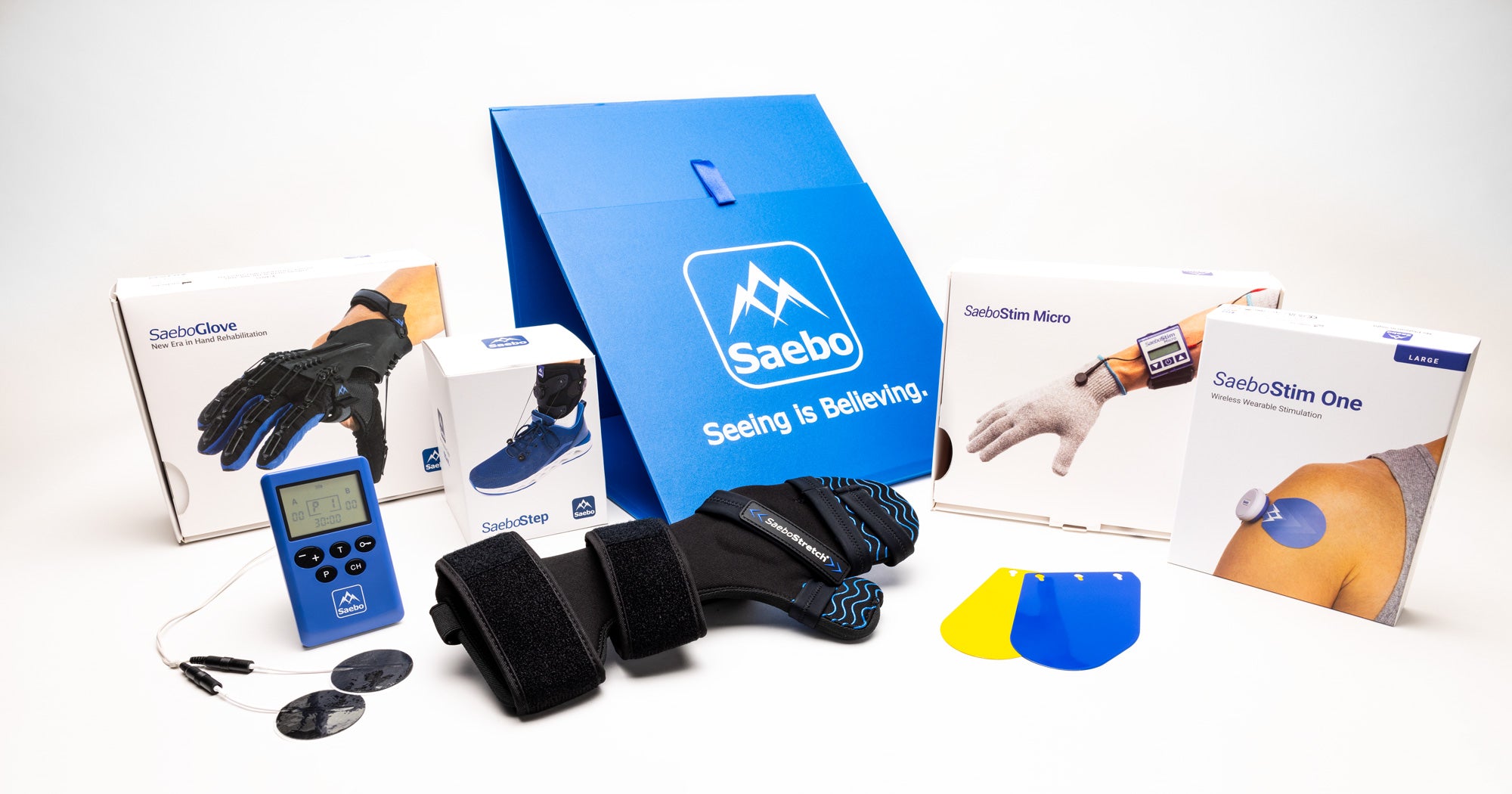
One challenge of repetition is fatigue. This challenge has lead companies like Saebo to develop products to address this need specifically. Devices or tools like the SaeboGlove support the hand’s ability to open, further increasing the number of repetitions that can be completed in a session to maximize neural adaptation, making it one of the most effective stroke rehab devices for home therapy exercises.
Feedback
Motor relearning works with appropriate feedback—both intrinsic (from the patient's sensory systems) and extrinsic (from therapists or technology). Feedback provides a vital learning signal that drives neuroplastic changes.
Immediate feedback during tasks can assist patients in correcting movement errors right away. Summary feedback after completion may help better retention and transfer of skills. A balanced feedback schedule is vital, avoid providing too much feedback to prevent dependency while also providing enough to be beneficial.
New technologies like biofeedback systems, functional electrical stimulation (FES), and virtual reality environments offer enhanced feedback opportunities. Emerging technologies can give precise, objective information about movement quality that patients might not notice otherwise.
Constraint Induced Movement Therapy
CIMT stands as one of the most researched neuroplasticity rehabilitation approaches. This method includes:
- Constraining the unaffected limb (typically with a mitt or sling)
- Intensive, structured practice with the affected limb
- Behavioral strategies to overcome "learned non-use"
Many clinical trials document CIMT's effectiveness for improving upper extremity function. Patients who receive CIMT show notable improvements in movement quality and daily function compared to conventional therapy. Combining CIMT with the SaeboGlove makes these a more viable treatment option for many individuals, even if they don’t meet the typical threshold. Want to learn more about CIMT? Check out this blog.
Motor Imagery / Mental Practice
Mental movement rehearsal activates many of the same neural pathways used during physical performance. This technique helps particularly during early recovery when physical movement remains limited.
Neuroimaging confirms that motor imagery activates premotor and motor planning areas, which might strengthen neural connections without physical movement. Studies have revealed that combining mental practice with physical therapy creates better outcomes than physical therapy alone.
Mirror Therapy
Mirror therapy creates visual feedback that tricks the brain into seeing movement in the affected limb. A mirror placed between limbs reflects the unaffected side's movements, creating an illusion that the affected limb moves normally.
This visual illusion activates mirror neuron-related networks and motor planning areas, which might help neuroplastic reorganization. Research shows mirror therapy works primarily for upper extremity rehabilitation, with significant improvements in motor function after consistent practice.
Common Mistakes in Post-Stroke Rehab
Modern research shows how the brain can adapt and heal after a stroke. Yet many programs still use outdated methods that don't help patients recover fully. Clinicians and patients need to spot these common mistakes to avoid setbacks during recovery.
The biggest problem in stroke recovery is too much focus on passive approaches. Many programs still depend on therapists moving and stretching patients' limbs. These methods don't work because the brain needs active learning to create new neural pathways. The brain adapts better when patients actively participate in their recovery.
Programs often focus too much on reducing impairment instead of improving function. Therapy sessions concentrate on strengthening specific muscles or improving range of motion. They miss the key point that recovery depends on learning specific tasks that help in real-life situations.
Therapists sometimes teach patients to use their good side too early. This creates a pattern where patients don't use their affected limbs at all. The pattern becomes a habit and ends up limiting their long-term recovery potential.
Research shows that patients need hundreds of movement repetitions in each session to rewire their brains. Traditional therapy sessions fall short of this target. The brain doesn't get enough stimulation to create lasting changes.
Poor timing decisions also hurt recovery. Recovery programs often make these mistakes:
- They wait too long to start intensive therapy
- They stop therapy too early when progress slows
- They don't change their approach as patients improve
Most programs don't give specific feedback about movement quality. Patients just need clear, immediate guidance to correct their movements. General encouragement isn't enough to help them learn proper techniques.
Mental health plays a crucial role in physical recovery. Half of all stroke survivors deal with depression, anxiety, and motivation issues. These problems affect how well they participate in therapy. Programs that ignore the mental health aspect see worse results, even with good physical therapy.
Better rehabilitation requires a complete transformation in our approach. We can help stroke survivors recover better by fixing these issues and using proven strategies. The brain has an amazing ability to reorganize itself - we just need to use the right methods to support this process.
- https://www.sciencedirect.com/science/article/abs/pii/S0031940610625886
- https://www.uclahealth.org/news/release/many-patients-receive-too-little-rehab-therapy-following
- https://pmc.ncbi.nlm.nih.gov/articles/PMC3913786/
- https://pmc.ncbi.nlm.nih.gov/articles/PMC10345498/
- https://pmc.ncbi.nlm.nih.gov/articles/PMC11318422/
Todo el contenido de este blog es únicamente informativo y no sustituye el consejo, diagnóstico ni tratamiento médico profesional. Consulte siempre con su médico u otro profesional de la salud cualificado si tiene alguna pregunta sobre una afección médica. Si cree que puede tener una emergencia médica, llame a su médico o al 911 de inmediato. Confiar en la información proporcionada por el sitio web de Saebo es bajo su propio riesgo.
