
Spasticity Management After Stroke: Effective Treatments, Exercises, and Recovery Tools
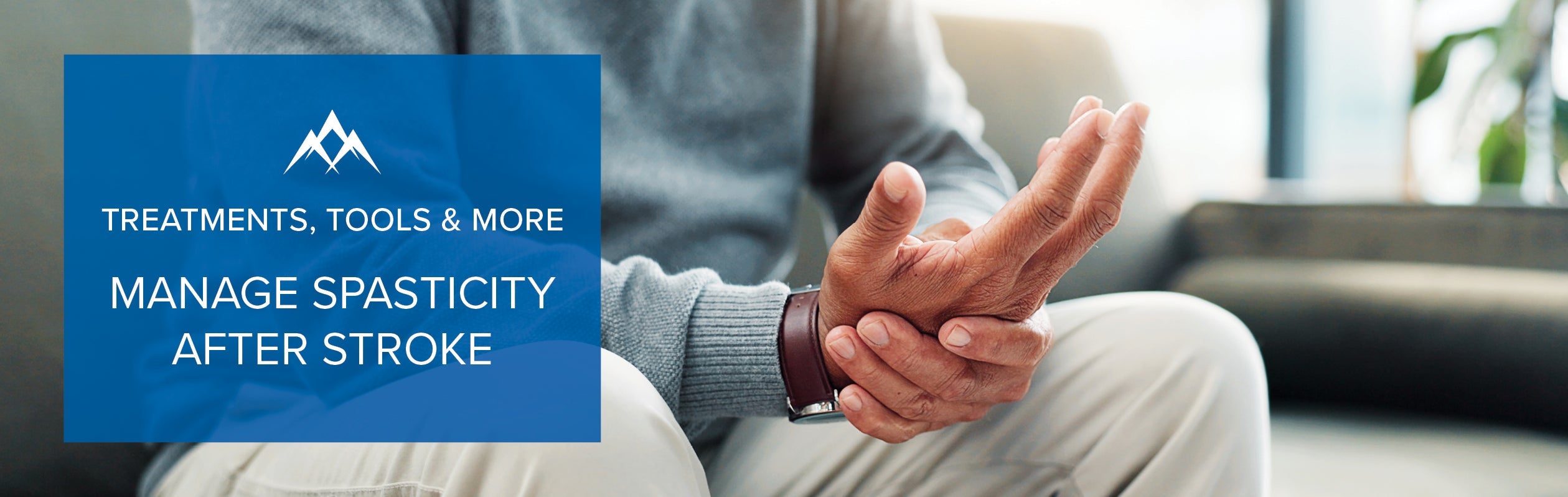
Spasticity after stroke is one of the most common and challenging complications survivors face. Spasticity is characterized by muscle stiffness, involuntary contractions, and resistance to movement. In simple terms, tightness occurs when damaged brain signals cause muscles to contract uncontrollably, making everyday tasks like dressing, walking, or grasping objects difficult.
Post-injury muscle tightness treatment guidelines are significant as this condition affects between 17% and 43% of stroke survivors. Most patients begin to experience increased muscle tone, known as hypertonia, within one to three months after their neurologic event, creating significant barriers to rehabilitation and quality of life. As stroke remains the third leading cause of death worldwide, effective spasticity management plays a vital role in maximizing recovery and independence. Medical professionals and caregivers must approach post-stroke muscle tension with comprehensive management strategies focusing not only on reducing muscle tone but also on improving functional movement and overall well-being.
In this article, we’ll explore evidence-based treatments and practical tools to manage muscle stiffness, including positioning techniques, at-home rehab equipment, and innovative solutions like the SaeboStretch. You’ll also learn how repetitive movement training can help rewire the brain and improve motor control and empower cerebrovascular accident (CVA) survivors to regain confidence and mobility.
Understanding Spasticity After Stroke
Stroke survivors face a substantial challenge. This condition makes muscles stiff, tight, and resistant to stretching because of increased muscle tone that depends on movement velocity. This makes nearly all activities increasingly challenging as the fluctuations in muscle tone change when using the limb, often without warning.
Spasticity causes after stroke
A CVA can damage areas of the brain that control movement and muscle rigidity, disrupting the normal communication between the brain and muscles. When these signals are interrupted, the body loses its ability to properly balance muscle activity. As a result, some muscles become overly tight and contract involuntarily which causes the condition known as spasticity.
Researchers believe this happens because the brain can no longer send enough “inhibitory” signals to calm the muscles. This loss of control causes the spinal reflexes to become overactive, leading to tightness and resistance during movement. In other words, the muscles are getting mixed messages with them coming across as too much “go” and not enough “stop.”
How long does spasticity last after a stroke?
Hypertonia can appear at different times for neurologic injury survivors. Some individuals show signs within the first week after brain injury, but most cases develop between one and six weeks after the CVA. Research suggests that spasticity is present in about 25% of patients within the first week, rising slightly over the next few weeks.
Upper limb increased muscle tone often appears around one month after stroke onset. Roughly 12% of cases develop between two and three months, and another 13% appear after the three-month mark. Without early intervention, hypertonia usually peaks between one and three months after stroke.
While mild cases may improve naturally within three to six months, many survivors continue to experience stiffness and muscle tightness. If left untreated for six to twelve months, chronic spasticity can cause permanent muscle shortening and joint deformities (contractures), which make rehabilitation and daily mobility much more difficult.
Common symptoms: from hand tightness to foot drop
Spasticity's symptoms vary based on affected muscle groups. Common signs include:
- Upper extremity symptoms: Patients experience clenched fists with tensed fingers, bent arms held against the chest, and forward pulled shoulders. These symptoms make reaching, grasping objects, or releasing items from the hand challenging.
- Lower extremity symptoms: Patients feel tightness in their knees, involuntary crossing (scissoring) of legs, and feet bent at angles. Foot drop affects many stroke survivors who cannot lift the front part of their foot due to weakness or paralysis. This causes foot dragging or scuffing while walking and creates balance problems with increased fall risk.
Spasticity typically affects the upper limb's flexor muscles (fingers, wrist, elbow) and lower limb's extensor muscles (knee and ankle). Wissel's research shows increased tightness occurred most often in the elbow (79%), wrist (66%), ankle (66%), and shoulder (58%).
If left untreated, these involuntary muscle contractions can progress to contractures which are severe stiffness that locks joints into one position. As tissues shorten and deform, physical function becomes painful and increasingly limited, sometimes leading to permanent muscle and joint changes.
Recognizing these patterns early allows clinicians to develop targeted, individualized treatment plans that preserve mobility and prevent long-term complications.
How Spasticity is Measured and Monitored
Doctors need accurate measurements to choose the right treatments and see if they work. Standardized assessment tools now play a key role in post-stroke spasticity guidelines.
Modified Ashworth Scale and Tardieu Scale
The Modified Ashworth Scale (MAS) stands as the most common clinical tool that measures increased muscle tone. The scale grades resistance to passive movement on a 6-point scale (0, 1, 1+, 2, 3, 4). Patients scoring 0 show no increase in tone, while a score of 4 means rigid flexion or extension. Medical staff can complete this assessment quickly without special equipment, making it available in many clinical settings.
The Modified Tardieu Scale (MTS) takes a different approach by checking muscle response at varying stretch speeds, which gives a more dynamic view. This scale looks at both muscle reaction quality (scored 0-5) and the angle when muscle catch happens. Clinicians can find the "spasticity angle" by comparing very slow speed (V1) and fast speed (V3) measurements. This angle helps them tell the difference between neural and non-neural resistance components better.
Functional assessments for daily activities
A detailed evaluation should look beyond muscle tone and show how tightness affects daily life. The Disability Assessment Scale looks at four key areas: hygiene, dressing, limb position, and pain which is rated from 0-3. The Functional Ambulation Classification measures independence and walking abilities using a 6-point scale.
Medical teams often use the Goal Attainment Scale (GAS) to set realistic treatment goals. This tailored approach helps track progress toward specific functional goals that patients care about most.
Tracking progress over time
Regular checkups using the same methods help monitor spasticity changes. Doctors first take baseline measurements as a starting point and schedule follow-up evaluations based on treatment milestones. Joint range of motion needs constant monitoring because untreated spasticity might cause contractures.
Good tracking requires standard procedures, including patient positioning and testing order. Spasticity levels change with time of day and emotional state, so multiple tests over several days paint a better picture.
Functional improvements must always stay at the forefront of tracking progress. Patient reported subjective improvements are just as valuable as objective improvements in terms of quality of life.
Spasticity Management Post- Stroke
Managing spasticity effectively requires an all-encompassing approach that adapts to each survivor's needs. Several evidence-based spasticity exercises can reduce muscle tone and improve function through physical techniques and advanced medical interventions.
Stretching and Range of Motion
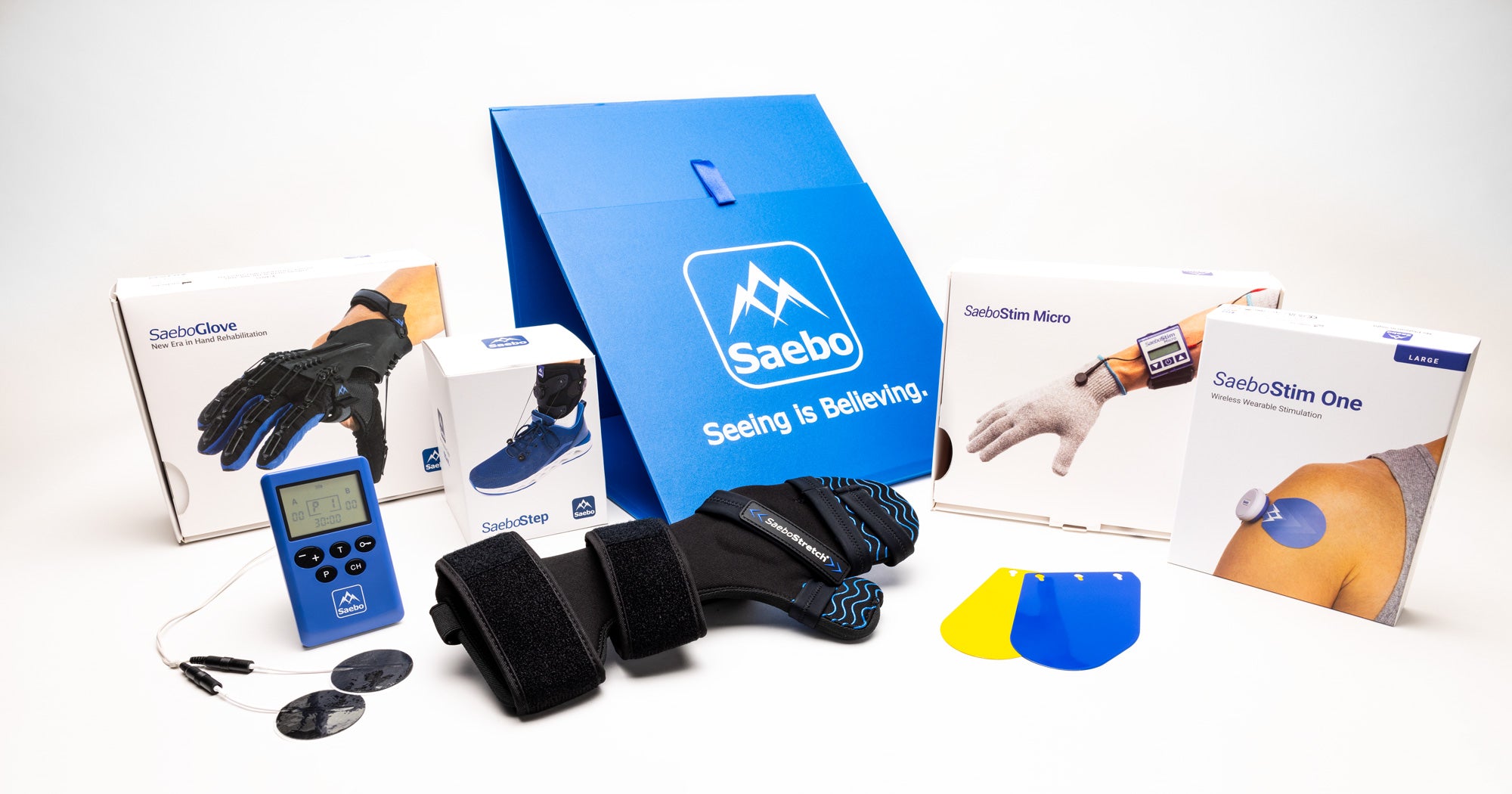
While research shows that flexibility work alone has limited long-term impact on reducing spasticity symptoms, it remains valuable for maintaining joint flexibility and contracture prevention. Sustained, gentle stretches held for 30–60 seconds and repeated several times a day can preserve muscle length and reduce stiffness. Tools like the SaeboStretch provide a comfortable, dynamic way to achieve prolonged lengthening, supporting daily flexibility and positioning when manual therapy isn’t feasible.
Task-Specific Training
Repetitive, goal-directed actions that mirror daily activities are among the most evidence-supported ways to promote neuroplasticity and functional recovery after stroke. Task-specific training helps the brain relearn purposeful movement patterns rather than isolated motions. Pairing this approach with assistive technology, such as the SaeboGlove or SaeboFlex, enables survivors to practice meaningful tasks even with limited mobility — translating therapy into everyday independence.
Electrical Stimulation
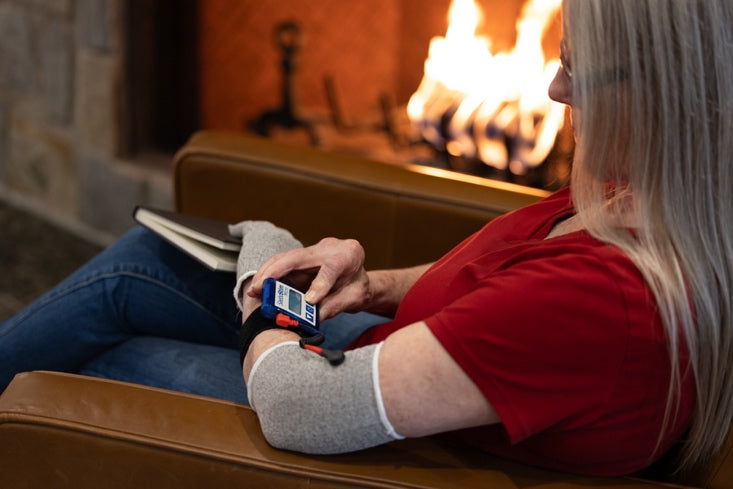
Electrical stimulation uses gentle electrical pulses to activate weak or inactive muscles, promoting improved strength, motor control, and temporary reductions in spasticity. Research shows that when used alongside traditional therapy, it can enhance muscle re-education and support functional recovery. Devices like the Stim One or the Stim Pro bring this technology into the home, making it easier for stroke survivors to stimulate the muscles, improve circulation, and encourage the brain-to-body connection needed for lasting improvement.
Alternative Methods: Medications, injections and more
For moderate to severe spasticity, medications like baclofen or tizanidine, and targeted botulinum toxin injections, can provide temporary relief by relaxing overactive muscles. However, these approaches work best when combined with therapy that reinforces functional motion. While these alternative methods can be helpful, they do not replace the need for targeted therapeutic interventions. It is important to discuss these methods with your physician and care team to determine how to best maximize the benefits.
Intentional rehabilitation and support devices complement these treatments by keeping the hand or arm active, ensuring that gains from medical interventions are translated into real-world healing. Often medications or injections provide a new ‘window’ that enhances the effectiveness of therapy but are not long lasting.
Home and Self-Management Tips
Daily consistency is critical in long-term spasticity care. Stretching, positioning, and electrical stimulation, combined with proper heat or cold therapy and assistive devices, can make a significant difference when practiced regularly. Assistive devices in the home are often highly recommended. They can not only improve the safety of individuals at home but allow for more repetitions to further enhance the opportunities for neuroplasticity.
Conclusion
Patients need patience, consistency, and an integrated approach to manage spasticity after stroke. This guide explores several ways to help patients cope with it. Regular stretching exercises can help some to reduce muscle tightness and prevent contractures but are not an effective treatment option on their own. Task-specific training is one highly effective method as it enables the brain to rewire through neuroplasticity and gradually improves function in affected limbs.
The SaeboStretch and similar tools provide great benefits through controlled, prolonged flexibility work without constant therapist supervision. These tools make home management more effective and increase the time that tight muscle can be under a low-level stretch. Electrical stimulation works well alongside physical techniques to activate muscles and reduce unwanted tone.
Spasticity might look overwhelming initially, but the right management approach can lead to real improvements in mobility and quality of life. Physical techniques, repetitive and intentional exercises to tap into neuroplasticity, positioning strategies, and medical interventions create a complete treatment plan that tackles both symptoms and why it happens.
Functional gains take time. Notwithstanding that, many stroke survivors see gradual improvements in muscle control and functional abilities with consistent use of these proven techniques. Family members and caregivers become vital to this process, especially when they help maintain regular stretching routines and proper positioning.
Note that each stroke recovery trip is different. Close work with rehabilitation professionals helps develop a personalized spasticity management plan vital to achieving the best outcomes. The techniques we've shared are the foundations that enable both patients and caregivers to take active roles in recovery.
References
- https://practicalneurology.com/diseases-diagnoses/stroke/management-of-poststroke-mobility-and-spasticity/32187/
- https://pubmed.ncbi.nlm.nih.gov/31088768/
- https://www.researchgate.net/publication/41414949_Early_development_of_spasticity_following_stroke_A_prospective_observational_trial
- https://my.clevelandclinic.org/health/treatments/21163-functional-electrical-stimulation-fes
Todo el contenido de este blog es únicamente informativo y no sustituye el consejo, diagnóstico ni tratamiento médico profesional. Consulte siempre con su médico u otro profesional de la salud cualificado si tiene alguna pregunta sobre una afección médica. Si cree que puede tener una emergencia médica, llame a su médico o al 911 de inmediato. Confiar en la información proporcionada por el sitio web de Saebo es bajo su propio riesgo.
