

Left Hemisphere Stroke Recovery: Symptoms, Effects, and Rehabilitation Guide
Understanding what you're facing is the first step toward effective stroke rehabilitation. A left hemisphere stroke affects brain regions responsible for speech, language, and right-side movement, creating challenges that often...

How Stroke Affects the Brain: Key Regions, Symptoms, and Recovery
The brain controls every aspect of how we move, think, speak, and interact with the world, which is why a stroke or brain injury can affect nearly every area of...

Stroke Arm and Hand Recovery: 10 Proven Rehabilitation Techniques (Free Upper Limb Guide)
Each year, tens of thousands of people in North America alone experience a stroke or transient ischemic attack, often resulting in arm and hand weakness after stroke that affects daily...

Mobile Arm Support (MAS): What It Is, How It Works, and Who Benefits
Recovering upper limb function after injury, surgery, or neurological conditions can be challenging, especially for individuals with weakness, fatigue, or limited motor control. The Saebo Mobile Arm Support (MAS) provides...

Lacunar Stroke Recovery: Timeline, Evidence-Based Rehabilitation Strategies, and Expert treatment Tips
Quick recognition of lacunar stroke symptoms is critical because timely intervention can dramatically improve outcomes. Stroke remains the second leading cause of death worldwide and is the top cause of...
Subarachnoid Hemorrhage Recovery and Treatment: Timeline, Rehabilitation, and What to Expect
A subarachnoid hemorrhage (SAH) is a life-threatening type of stroke that requires immediate medical care and a structured recovery plan to support long-term healing. For patients, families, and rehabilitation professionals,...
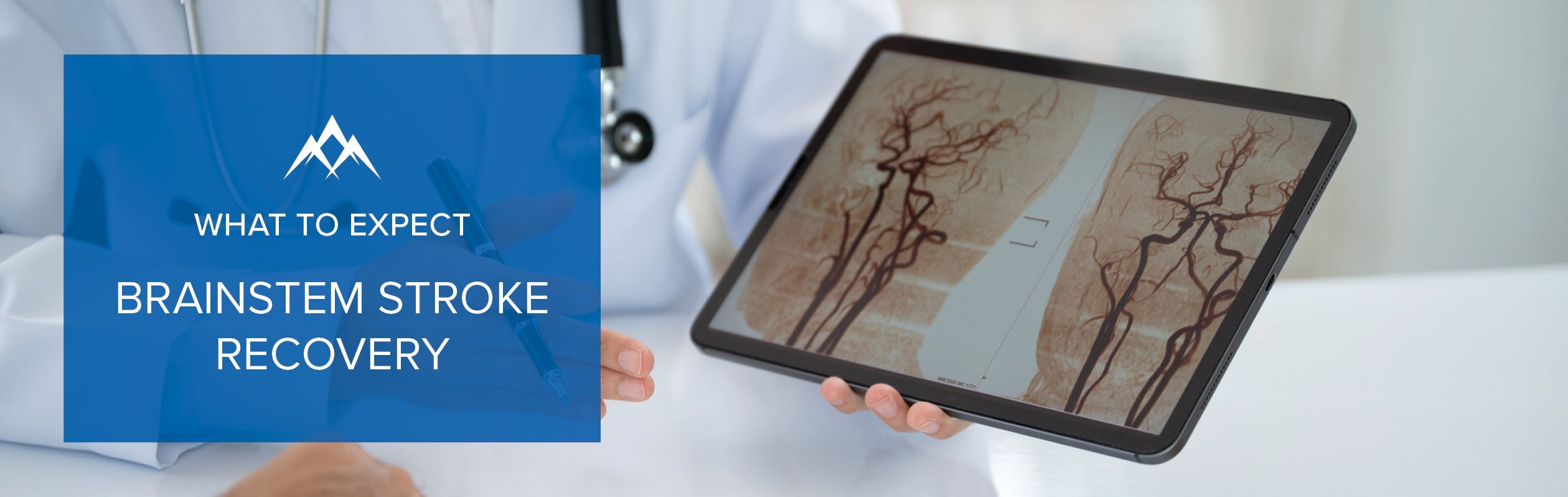
Brainstem Stroke Recovery: Symptoms, Rehabilitation, Exercises, and What to Expect
Brainstem strokes are rare, accounting for just 2–3% of all strokes, but their impact on recovery and long-term function can be profound. This tiny yet critical part of the brain...
Stroke Symptoms and Recovery: Critical Differences Between Ischemic, Hemorrhagic & TIA
Every second counts during a stroke. The World Health Organization reports that strokes affect approximately 15 million people worldwide each year, with many survivors left with long-term disability. In the...
Neuroplasticity Exercises: The Science Behind Stroke Recovery at Any Age
For many stroke survivors, recovery doesn’t end after the first few months. The chronic stage of stroke recovery, starting around six months post-injury, may bring slower progress, but lasting improvements...

Visual Field Cut vs Neglect After Stroke: Diagnosis, Rehab, and Functional Impact
Stroke survivors may experience visual field cuts (hemianopia) or spatial neglect and correctly distinguishing between them is critical for effective cerebrovascular accident (CVA) rehabilitation and daily function. Visual field cuts...
CRPS Rehabilitation: Effective Tools for Managing Pain and Regaining Function
CRPS Rehabilitation: Effective Tools for Managing Pain and Regaining Function CRPS (complex regional pain syndrome) creates a daily struggle with chronic discomfort that interferes with movement, function, and quality of...
Active vs Passive Stroke Exercises: Which Approach Leads to Better Recovery?
Active range of motion exercises play a vital role in stroke exercises designed to restore hand and arm function. Research shows that 87% of brain injury survivors experience some level...
