
Brainstem Stroke Recovery: Symptoms, Rehabilitation, Exercises, and What to Expect
Brainstem strokes are rare, accounting for just 2–3% of all strokes, but their impact on recovery and long-term function can be profound. This tiny yet critical part of the brain controls essential functions such as breathing, heart rate, consciousness, and coordination. A stroke in this area can cause not only limb weakness but also life-threatening complications, making specialized rehabilitation essential.
Recent advances in brainstem stroke recovery and rehabilitation offer new hope for survivors and caregivers. Rehabilitation harnesses neuroplasticity, the brain’s ability to form new neural connections, helping survivors regain critical functions. Innovative rehabilitation tools can support the arm or hand, enabling earlier task-specific training that addresses the unique challenges of brainstem stroke recovery.
In this guide, we explore what makes brainstem strokes different, their distinctive symptoms, what recovery typically looks like, and the specialized rehabilitation strategies that help patients and caregivers navigate brainstem stroke recovery successfully.
What Makes a Brainstem Stroke Different from Other Strokes
Your brainstem lies at the base of your brain and connects to your spinal cord. This tiny powerhouse, around an inch wide, acts as command central for basic life-sustaining functions we rarely think about. A stroke, also known as a CVA, in this area creates unique challenges for rehabilitation, and here's why.
How the brainstem controls vital functions
The brainstem is unique because it regulates the essential automatic processes that keep you alive. Your breathing, heartbeat, blood pressure, and level of consciousness all rely on brainstem activity—functions that run without conscious effort. It also contains the nuclei for many cranial nerves, which coordinate eye movements, balance, hearing, swallowing, taste, speech, facial movement, and facial sensation.
The brainstem has three major parts: the midbrain, pons, and medulla oblongata; each responsible for different life-sustaining roles. The medulla connects directly to your spinal cord and contains the medullary pyramids, which carry voluntary motor signals from the brain to the body. Most of these fibers cross within the medulla, making this pathway a critical link for coordinated movement.
Why brainstem CVA symptoms can be more severe
Strokes in the brainstem can be especially serious because this small area controls vital functions like breathing, heart rate, blood pressure, and consciousness. It also contains tightly packed pathways that carry almost all motor and sensory signals between your brain and body. That means even a small CVA here can cause widespread, life-altering symptoms.
Because these pathways run so close together, brainstem strokes can affect both sides of the body at once, rather than just one side as is typical with many other neurologic injuries of CVA’s. In the most severe cases, damage to the pons can result in locked-in syndrome which is where a person is fully alert but unable to move anything except their eyes. These factors make brainstem stroke rehabilitation more complex and often require highly specialized therapy approaches.
Common causes and risk factors
Here are the main risk factors for brainstem strokes:
- High blood pressure — the leading cause of hemorrhagic brainstem strokes
- Atherosclerosis — narrowing of arteries from plaque buildup
- Diabetes
- Smoking, which gradually damages blood vessels
- Heart conditions such as atrial fibrillation
- High cholesterol
Brainstem strokes can also result from vertebral artery dissection, a tear in one of the main arteries supplying the brainstem. This is more common in younger adults and can happen after sudden or forceful head or neck movements.
Recovery from a brainstem injury often requires specialized rehabilitation strategies that address the unique effects of brainstem damage while taking advantage of the brain’s ability to reorganize and form new connections over time.
Common Brainstem Stroke Symptoms and Early Recovery Challenges
Quick recognition of brainstem CVA symptoms can save lives. This small but crucial brain region controls essential functions, and its distinctive symptoms reflect that. Patients tend to have better chances of successful rehab when treatment begins early and progresses consistently over time.
Speech and swallowing difficulties
Nearly half of brainstem stroke survivors experience dysphagia (difficulty swallowing), one of the most serious complications affecting safety and nutrition. These problems can be more severe or complex than in other types of neurological injuries because the brainstem controls many swallowing reflexes. Patients may feel unusual throat sensations, struggle with excess saliva, or cough frequently during meals.
Communication can also become challenging. Many individuals develop dysarthria (slurred or poorly coordinated speech), dysphonia (voice changes), or very weak, monotone, or quiet speech. These barriers can lead to social withdrawal, frustration, and emotional distress during restoration.
Balance and coordination issues
Brainstem strokes frequently cause vertigo (a spinning sensation) and ataxia (poor coordination). They can also trigger dizziness, nausea, vomiting, and severe balance problems even when classic stroke signs aren’t present.
Therapy may focus on retraining the brain’s balance centers through targeted balance and coordination exercises while also teaching patients safe compensation strategies. Specialized exercises help rebuild affected motor pathways.
Eye movement and facial muscle problems
Distinctive eye movement abnormalities are hallmark signs of brainstem strokes and can significantly affect reading, balance, and daily activities. Patients may experience nystagmus, double vision, or unequal pupil reactions. These patterns often help doctors identify the exact location of the stroke within the brainstem.
Facial weakness can involve both the upper and lower face at the same time unlike typical strokes that usually affect only the lower face. Therapy may focus on re-educating weakened muscles and restoring coordinated movement.
Breathing and heart rate irregularities
Breathing problems are common especially with more severe pontine or medullary strokes because the brainstem regulates respiratory rhythm. Symptoms may include abnormal breathing patterns such as Cheyne–Stokes respiration or persistently rapid breathing. Heart rhythm disturbances may also occur, particularly with right-sided brainstem involvement. Rehabilitation teams must address these vital function issues immediately while also supporting the patient’s broader neurological and functional recovery needs.
Treatment and Rehabilitation After a Brainstem Stroke
Stroke survivors should begin rehabilitation far earlier than most people expect, often within the first 24–48 hours after a brainstem stroke. Early, targeted intervention is especially important after a brainstem neurological injury because the deficits often involve breathing, swallowing, balance, coordination, and cranial nerve function.
When and how stroke physical therapy begins
The best time to start stroke rehabilitation is surprisingly soon, often within 24 to 48 hours after a stroke. Of course, medical stability comes first, but once the patient is stable, early therapy can make a significant difference in long-term improvement. Starting rehabilitation quickly helps the brain begin relearning lost functions before inefficient compensatory habits develop, which can be harder to correct later.
Therapists perform a detailed assessment to understand each patient’s unique strengths and challenges. They look at motor control on both sides of the body, balance, coordination, trunk stability, and even eye movement and swallowing. This information guides a customized therapy plan.
Many survivors move to an inpatient rehabilitation facility (IRF), where they typically spend 3–4 hours per day in therapy sessions focused on mobility, self-care, communication, and safety. Early and intensive rehab gives patients a better chance of regaining lost abilities, from walking safely to performing everyday tasks independently.
Occupational therapy after brainstem stroke
Occupational therapy (OT) focuses on helping stroke survivors regain the skills needed for daily life. This includes relearning tasks like dressing, grooming, feeding, and using adaptive tools when necessary. OT also addresses problems with movement, coordination, sensory perception, and visual-spatial skills, which are often affected by brainstem strokes.
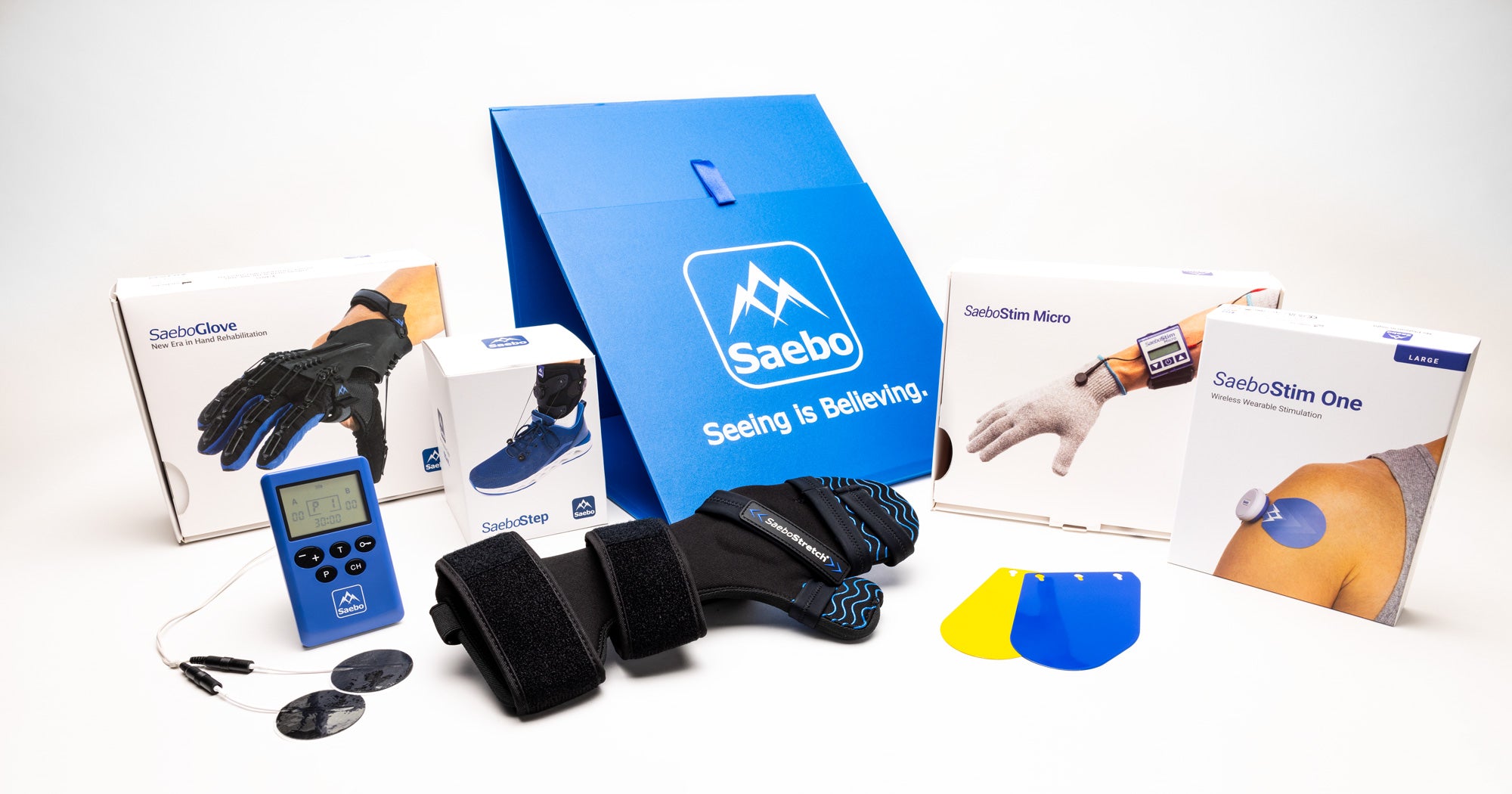
Hand control is a major area of focus in brainstem stroke improvement, as weakness and abnormal muscle patterns are common. Rehabilitation for a weak arm needs to occur early on and consist of repetitive practice. Tools like SaeboGlove or SaeboFlex support weak hand muscles while encouraging proper movement patterns, allowing patients to practice grasping, releasing, and other functional hand tasks earlier in neurological recovery.
The role of speech therapy
Speech-language pathology (SLP) is equally important after a brainstem stroke, as it addresses speech, swallowing, and sometimes voice issues. Therapists use targeted exercises to improve muscle control, clarity, and swallowing safety. For patients with severe communication difficulties, approaches like singing therapy or augmentative and alternative communication (AAC) can help activate different neural pathways and support communication in creative ways.
Importance of early mobility and positioning
Early mobility such as getting out of bed within 24 hours after a stroke is now considered a best practice. Moving early helps prevent complications such as pneumonia, blood clots, pressure sores, general deconditioning, and by bringing some familiarity back.
Correct positioning is equally critical. In practice, therapists carefully balance different positioning options, adjusting the patient’s posture based on breathing, swallowing ability, and overall safety. Even small adjustments like using pillows or foam wedges for support can make a significant difference in comfort and recovery.
Managing complications like spasticity and fatigue
Muscle stiffness or involuntary contractions, known as spasticity, are common after a brainstem stroke. It often develops 1–6 weeks after a stroke and peaks within 1–3 months. Treatment options should be discussed with your physician, but common methods may include:
- Oral medications such as baclofen or tizanidine
- Botulinum toxin injections for specific overactive muscles
- Physical or occupational therapy with stretching, weight-bearing exercises, and repetitive task training
- Supportive devices or resting hand braces like the SaeboStretch to help maintain range of motion and reduce discomfort
Fatigue is another major barrier to long-term improvement of survivors. It can make therapy sessions harder and daily tasks more exhausting. Effective strategies include scheduled rest breaks, pacing activities, keeping regular sleep routines, and simplifying tasks when possible.
Tools and Strategies to Regain Function
Regaining motor control after a brainstem stroke presents unique challenges. Because these strokes can affect balance, coordination, breathing, swallowing, and fine motor control, targeted tools and strategies are critical to helping patients rebuild function and independence.
How SaeboGlove and SaeboFlex support hand recovery
Hand weakness and abnormal muscle patterns are common after brainstem stroke. SaeboGlove and SaeboFlex are designed to support functional hand restoration by helping the brain relearn movements through repetition.
- SaeboGlove is a lightweight device with tensioners that assist in opening the hand after grasping.
- SaeboFlex uses mechanical springs to support wrist and finger extension for patients with higher spasticity.
Both devices allow patients to start grasp-and-release activities right away, even years after a stroke. Supportive devices not only strengthen muscles but also reinforce proper movement patterns, reducing the risk of learned non-use.
Using SaeboStim Micro for sensory stimulation
SaeboStim Micro delivers low-level electrical stimulation through a comfortable Electro-Mesh glove without causing muscle contractions. This sensory stimulation:
- Sends stronger signals to the brain
- Enhances cortical excitability
- Reduces muscle tone and pain
- Improves motor function
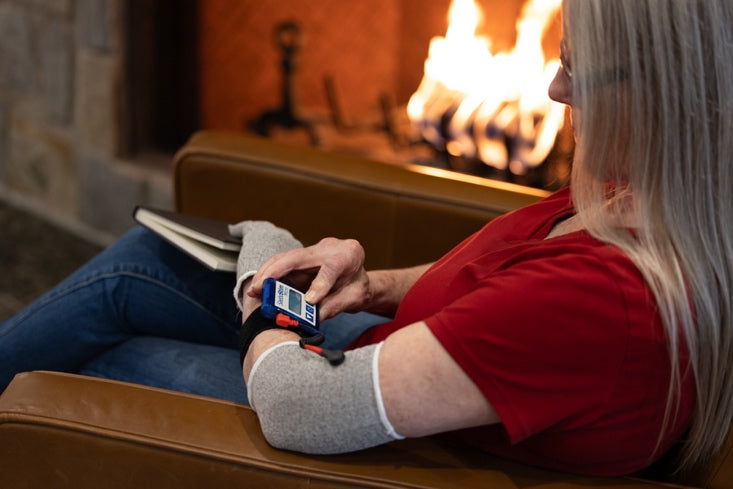
It can be used during daily activities or while resting, making it a flexible addition to rehabilitation routines. Sensory stimulation helps the brain “remember” and refine movements, supporting faster, more effective recovery.
Task-specific training and neuroplasticity
Some of the most effective brainstem stroke recovery strategies involve task-specific training, which uses repeated practice of real-life movements to trigger neuroplasticity—the brain’s ability to reorganize and form new neural connections.
- Repetition strengthens the neural pathways controlling the affected limb.
- Training on one activity can also improve similar untrained movements.
- Combining task-specific exercises with Saebo devices accelerates progress and supports long-term independence gains.
Research shows that consistent, high-repetition practice is key to meaningful brainstem stroke recovery traditional therapy sessions often average only 32 repetitions, but hundreds of daily repetitions are needed to maximize neuroplasticity. Examples of task-specific exercises may include:
- Picking up and place items like cups
- Buttoning or unbuttoning a shirt
- Placing items on a shelf
- Pouring water or other liquids
- Coin or peg sorting
Home-based exercises and caregiver support
Neuroplasticity doesn’t stop at the clinic door. Home-based practice is critical for reinforcing gains and achieving long-term recovery. Key strategies include:
- Daily task-specific exercises to strengthen neural pathways
- Caregiver support for equipment setup, logging practice, and encouragement
- Integrating exercises into routine activities for more repetitions
Due to the brain’s incredible ability to re-learn, improvements can occur months or even years after a brainstem stroke.
Conclusion
Brainstem strokes present unique challenges, affecting essential functions like breathing, balance, and swallowing. Early rehabilitation, ideally within 24–48 hours—takes advantage of the brain’s neuroplasticity to maximize brainstem stroke recovery. Physical, occupational, and speech therapy work together to address these complex deficits, while specialized tools that support hand function and sensory recovery. Task-specific training and repeated practice help rebuild neural connections, enhancing functional gains.
Recovery continues beyond the hospital with home exercises and caregiver support, providing the repetitions needed for improvement. With early intervention, targeted therapy, innovative rehabilitation tools, and consistent practice, many patients can regain significant function and meaningful independence after a brainstem stroke.
All content provided on this blog is for informational purposes only and is not intended to be a substitute for professional medical advice, diagnosis, or treatment. Always seek the advice of your physician or other qualified health providers with any questions you may have regarding a medical condition. If you think you may have a medical emergency, call your doctor or 911 immediately. Reliance on any information provided by the Saebo website is solely at your own risk.
