
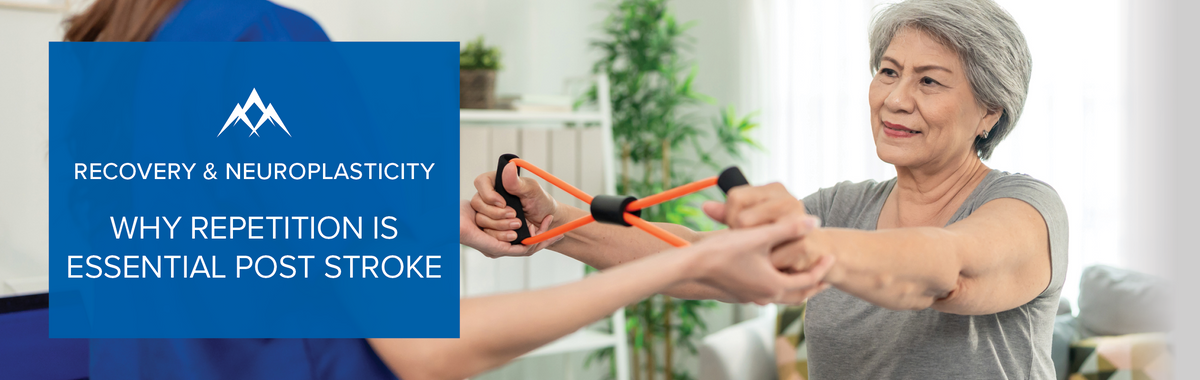
Stroke Recovery and Neuroplasticity: Why Repetition Is Essential for Brain Rewiring After Stroke
One of the most important truths about stroke recovery is this: neuroplasticity depends less on how many therapy sessions you complete and far more on what you practice repeatedly every...
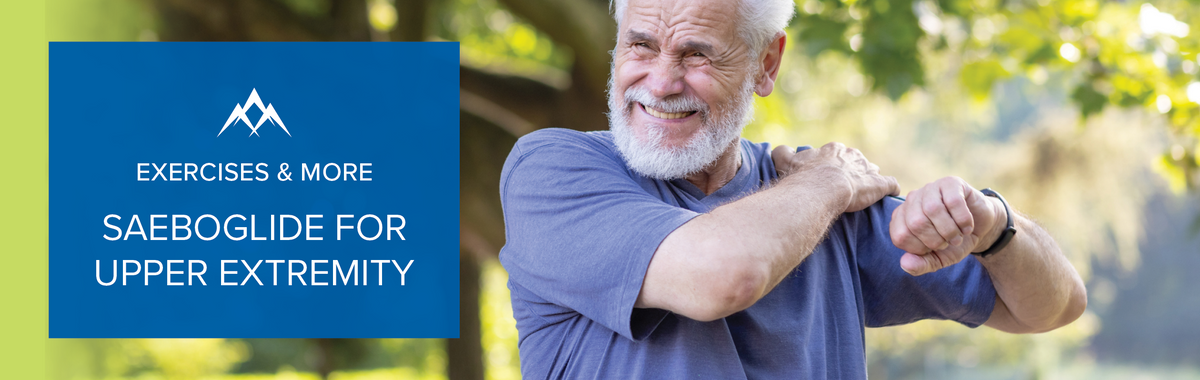
SaeboGlide Review: Best Exercises for Stroke Recovery, Arm Strength, and Upper Extremity Rehabilitation
Recovering arm movement after a stroke can be one of the most challenging parts of the rehabilitation journey. Many stroke survivors experience weakness, reduced coordination, limited range of motion, and...
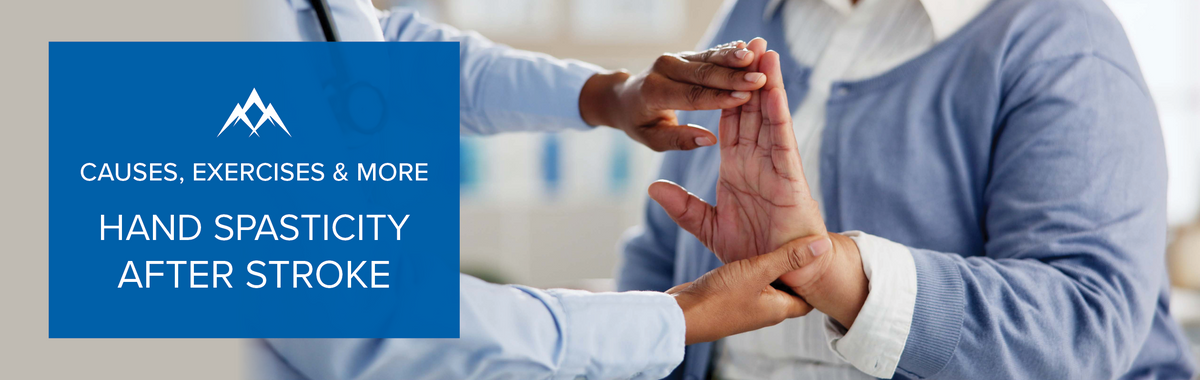
Hand Spasticity After Stroke: Causes, Treatment, Exercises, and Recovery
Understanding what causes hand spasticity after stroke can help you find the right treatment path and improve your chances of recovery. Spasticity affects approximately 25% of stroke survivors and is...
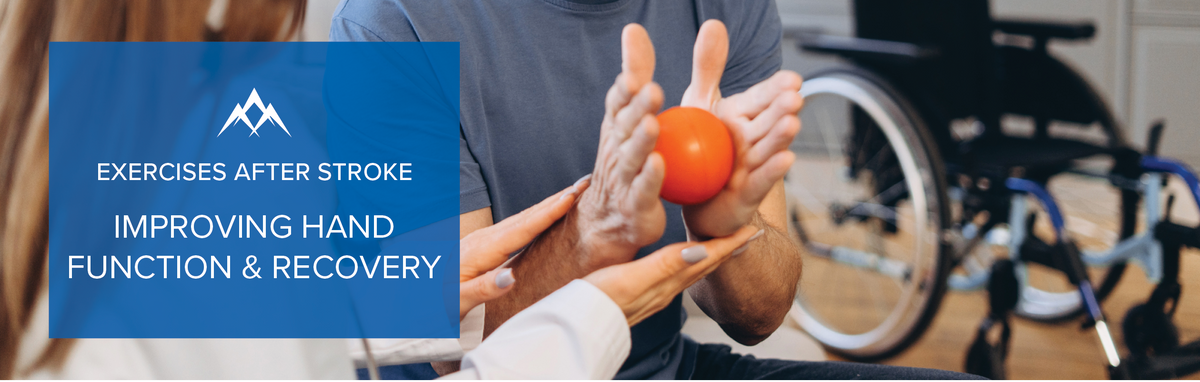
Hand Exercises After Stroke: A Complete Guide to Improving Hand Function and Recovery
Up to 80% of stroke survivors experience hemiparesis affecting the arm and hand on one side of the body [1]. While many individuals make meaningful gains during the first six...
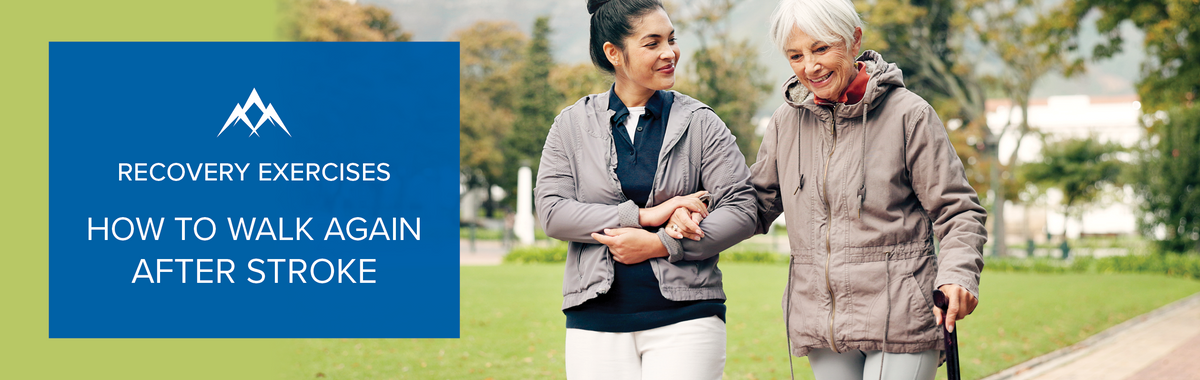
How to Walk Again After Stroke: Walking Recovery Exercises, Gait Training, and Foot Drop Solutions
Walking problems are one of the most common challenges after stroke. As many as 80% of stroke survivors have trouble walking, and many require rehabilitation to regain safe and independent...
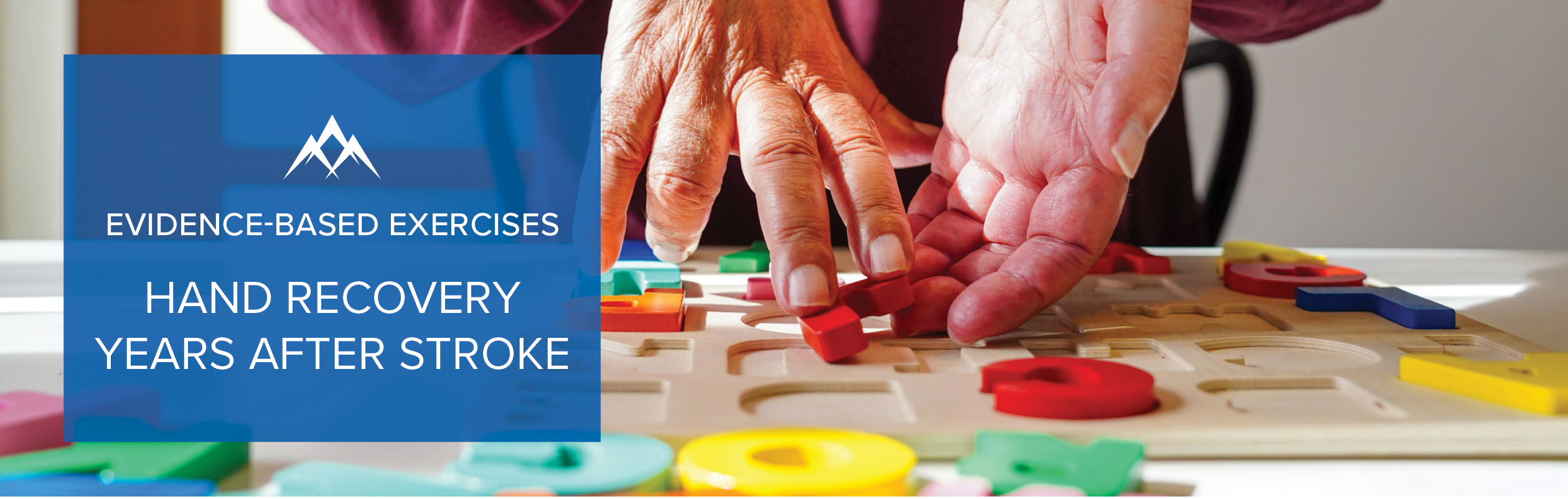
Can You Regain Hand Function Years After a Stroke? Evidence on Chronic Stroke Recovery, Neuroplasticity, and Hand Rehabilitation
Many people assume that stroke recovery—especially hand function recovery—only happens within the first six months after the event. This belief often leads to reduced participation in long-term stroke hand exercises...
Bilateral Arm Training After Stroke: Exercises and Strategies to Improve Arm Recovery Faster
Arm and hand recovery after stroke remains one of the biggest rehabilitation challenges for stroke survivors. As many as 60% stroke patients don't have functional use of their affected arm...

How to Do CIMT Therapy at Home: A Step-by-Step Guide to Stroke Recovery and Arm Rehabilitation
CIMT therapy requires just 10 to 20 minutes of practice twice daily with your weaker hand. In fact, studies have shown high adherence rates among individuals completing modified CIMT programs...
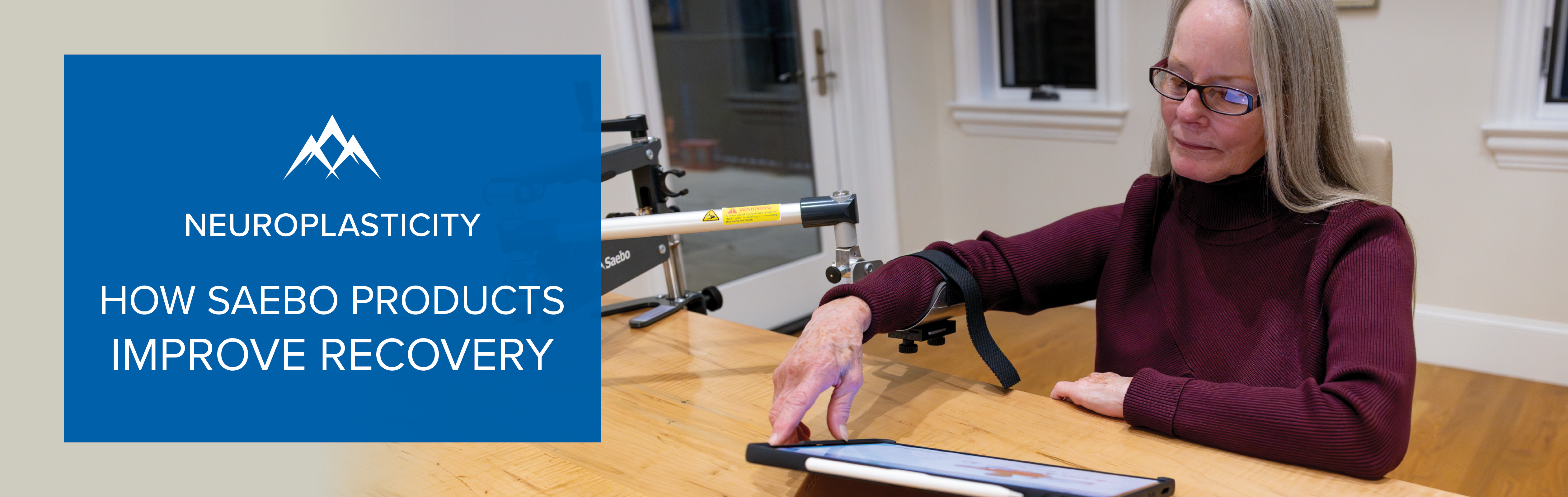
How Saebo Products Help Improve Stroke Recovery
Stroke ranks as one of the leading causes of disability worldwide. Upper limb motor impairment affects a majority of stroke survivors, with many of these individuals experiencing chronic deficits. Innovative...
“How Much Therapy Is Enough for Stroke Recovery? What Saebo Mind Research Reveals About Neuroplasticity and Rehabilitation Intensity”
Introduction Research on stroke rehabilitation intensity reveals a striking reality: many stroke survivors receive less than 8 minutes of daily task-specific upper limb therapy focused on arm and hand recovery...
Arm Exercises After Stroke: How to Improve Function Through Daily Activities
Every year, nearly 800,000 people in the United States experience a stroke, and many require targeted arm exercises after stroke to regain independence in daily life [1]. Upper limb weakness...
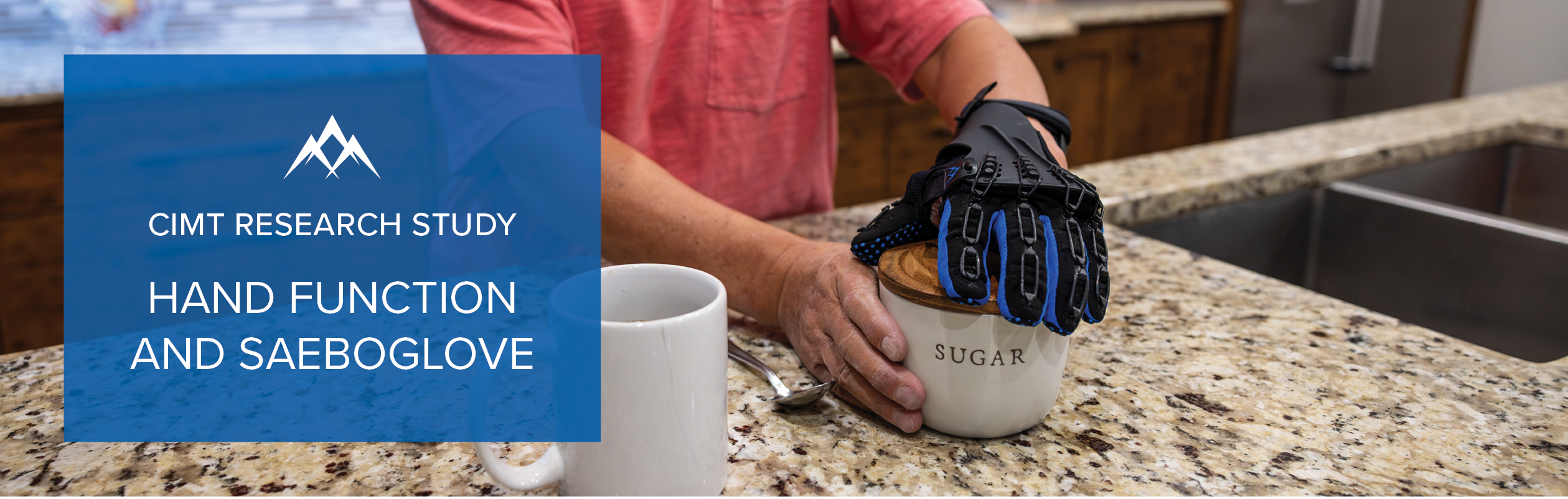
How to Improve Hand Function After Stroke: New Research on CIMT and the SaeboGlove
Regaining hand function after stroke is one of the most difficult parts of recovery—and one of the most searched challenges by stroke survivors and caregivers. For many survivors, simple actions...
