
Can You Regain Hand Function Years After a Stroke? Evidence on Chronic Stroke Recovery, Neuroplasticity, and Hand Rehabilitation
Many people assume that stroke recovery—especially hand function recovery—only happens within the first six months after the event. This belief often leads to reduced participation in long-term stroke hand exercises and rehabilitation.
However, modern research shows that recovery is not strictly time limited. Improvements in strength, coordination, and functional use of the hand can continue for years after a stroke when the right type of training is applied.
Globally, millions of people experience a stroke each year, and a large proportion develop long-term arm and hand weakness. Because the hand is essential for daily activities, understanding long-term recovery potential is critical for both patients and caregivers.
This article reviews current evidence on chronic stroke recovery, explains how neuroplasticity supports ongoing improvement, and outlines evidence-based stroke hand rehabilitation strategies that can be used at any stage of recovery.
Can You Regain Hand Function Years After a Stroke?
Research consistently shows that meaningful recovery of hand and arm function can occur well beyond the early rehabilitation period [1].
While the fastest improvements often happen in the first months, studies demonstrate that individuals in the chronic and even long-term chronic stages can still improve motor control, strength, and functional hand use with targeted therapy [1].
In some cases, individuals have shown measurable recovery many years after their stroke, particularly when engaging in intensive, repetitive, task-specific rehabilitation.
The key takeaway is this: the brain retains the ability to adapt and reorganize throughout life.
Stroke Recovery Timeline: What Really Happens Over Time
Recovery is not a fixed process that stops at six months. Instead, it typically follows a pattern:
Early phase (0–3 months)
- Rapid spontaneous recovery
- Return of basic movement patterns
- Early rehabilitation has the highest impact
Subacute phase (3–12 months)
- Continued improvements in strength and coordination
- Motor relearning becomes more important than spontaneous recovery
Chronic phase (12+ months)
- Slower but still meaningful improvements
- Progress depends heavily on intensity and repetition of training
Even years after stroke, the nervous system remains responsive to rehabilitation, especially through task-specific hand training and neuroplasticity-based interventions.
Why Neuroplasticity Allows Long-Term Recovery
Neuroplasticity refers to the brain’s ability to reorganize itself by forming new neural connections.
After a stroke, some brain networks are damaged, but others can adapt to take over lost functions. This process does not shut off after a set period of time.
Instead, neuroplasticity continues throughout life and is driven by:
- Repetition of movement
- Task-specific practice
- Sensory input and feedback
- Motivation and engagement
This is why consistent stroke hand rehabilitation exercises remain effective even years after injury.
Evidence-Based Treatments for Chronic Stroke Hand Recovery
Several rehabilitation approaches are supported by clinical research for improving hand function in chronic stroke.
Functional Electrical Stimulation (FES)
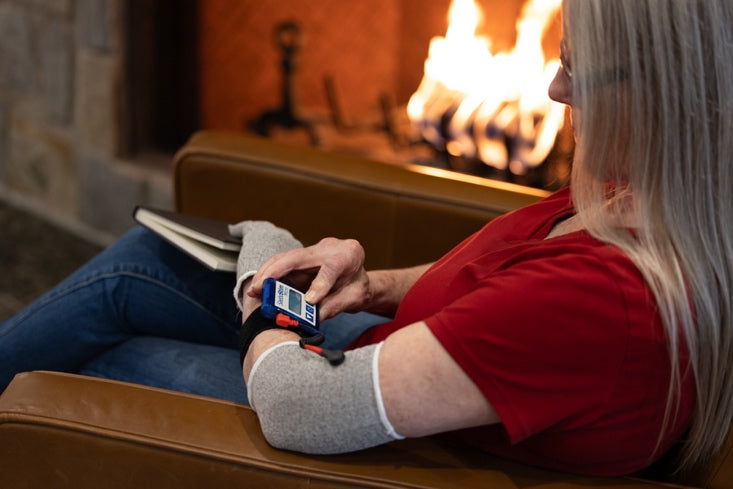
Functional electrical stimulation (FES) uses mild electrical impulses to activate weakened or underactive muscles in the forearm and hand. This stimulation helps produce or assist movements such as grasping, releasing, and coordinated finger extension, which are often difficult after stroke.
FES is commonly used in both clinical and home rehabilitation settings and is supported by research for improving upper extremity function in stroke survivors, particularly when combined with active movement practice. Rather than replacing voluntary effort, FES is most effective when it is used to “assist” the brain and muscles during task-based training.
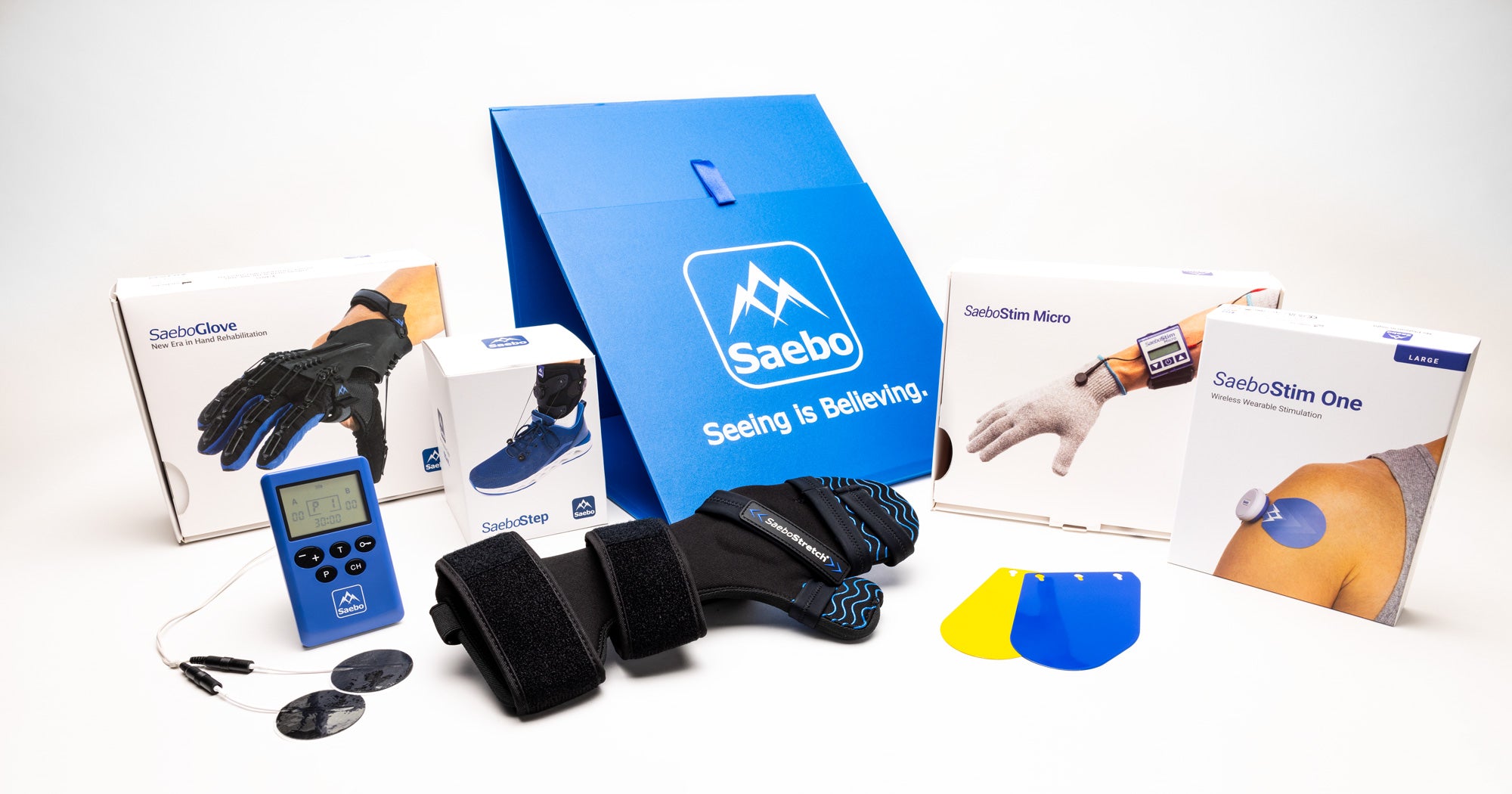
Home-based systems such as the SaeboStim Pro are designed to support this type of combined approach by delivering targeted stimulation during functional hand exercises. These devices are typically used alongside repetitive task practice to help reinforce motor relearning and improve carryover into daily activities.
Overall, FES tends to produce the best outcomes when paired with intentional, goal-directed movements rather than passive stimulation alone, reinforcing neuroplastic changes through repeated use of the affected hand.
Constraint-Induced Movement Therapy (CIMT)
Constraint-Induced Movement Therapy (CIMT) involves temporarily restricting the unaffected arm while intensively training the affected hand and arm through repetitive, task-based practice. The goal is to overcome “learned non-use,” a common pattern after stroke where the stronger arm compensates for the weaker one, leading to further decline in affected-hand function over time.
CIMT encourages active use of the weaker limb by forcing engagement during functional tasks such as grasping objects, self-care activities, and structured exercise practice. Research supports CIMT as one of the most effective interventions for improving upper extremity and hand function in appropriate candidates, particularly when the patient can actively initiate some movement [2].
In home and clinical rehabilitation settings, devices such as the SaeboGlove can help facilitate engagement during CIMT-style training by supporting finger extension and allowing individuals with weakness or limited active range to participate more fully in grasp-and-release activities. This increased participation can make it easier to complete higher-repetition task practice, which is a key driver of neuroplastic recovery.
Overall, CIMT tends to be most effective when it is intensive, function-focused, and paired with tools or supports that enable sustained, meaningful use of the affected hand throughout daily activities.
Vagus Nerve Stimulation (VNS)
Vagus nerve stimulation is a newer, FDA-approved therapy for selected individuals with chronic stroke. It involves pairing mild nerve stimulation with rehabilitation exercises to enhance brain plasticity.
When combined with therapy, VNS may improve upper limb function in individuals with moderate to severe impairment.
Home-Based Rehabilitation Tools
Home-based therapy plays a critical role in long-term recovery because repetition and consistency are essential for neuroplastic change.
Tools developed by companies such as Saebo can support structured hand training at home by enabling grasp, release, and task practice outside of therapy sessions.
These tools are often used to bridge the gap between clinical therapy and daily functional practice.
Stroke Hand Exercises You Can Do at Any Stage
Exercise is the foundation of long-term stroke hand recovery. The most effective approach is not intensity alone, but consistent, meaningful repetition that encourages neuroplastic changes in the brain. Over time, repeated movement helps strengthen existing neural pathways and build new ones, even in chronic stages of recovery.
These exercises can be adapted depending on your current level of hand function, from minimal movement to near-normal use.
1. Task-Specific Training
Task-specific training involves practicing real-life, goal-oriented movements that directly translate into daily function.
Examples include:
- Picking up a cup and placing it down
- Turning a doorknob or light switch
- Holding and using utensils during meals
- Lifting and carrying lightweight household objects
- Reaching, grasping, and releasing common items
These activities are highly effective because they combine movement, sensory feedback, and real-world context—all of which strengthen brain reorganization after stroke.
Even small amounts of daily repetition can support neuroplasticity. Research suggests that consistent practice, even in short sessions, is more effective than occasional long sessions because the brain responds best to frequent reinforcement of movement patterns [3].
2. Mirror Therapy
Mirror therapy is especially useful for individuals with limited or no active movement in the affected hand.
In this approach, a mirror is placed in the midline so that the reflection of the unaffected hand appears where the affected hand would be. When the person moves their stronger hand, the brain perceives visual feedback as if the weaker hand is moving normally.
This visual illusion helps activate motor networks in the brain that may have become underactive after stroke, supporting stroke hand rehabilitation and neuroplasticity training.
Mirror therapy is commonly used in both early and chronic stroke rehabilitation and is often recommended as a low-cost, home-based intervention that can be performed daily in short sessions (typically 10–30 minutes).
3. Bilateral Arm Training
Bilateral arm training involves using both arms together during movement tasks, encouraging the affected side to participate through natural coordination patterns.
This method is particularly effective when one hand is significantly weaker or partially non-functional. By moving both limbs together, the brain uses interhemispheric communication pathways that can help “re-engage” the affected motor regions.
Common bilateral activities include:
- Towel sliding on a table using both hands
- Lifting and lowering objects with both arms
- Simultaneous reaching or pushing tasks
- Assisted symmetrical movements during daily activities
This type of training is often used in upper extremity stroke rehabilitation programs because it supports functional recovery even when isolated movement is limited.
4. Stretching for Spasticity Management
Muscle tightness (spasticity) is a common secondary complication after stroke and can significantly limit hand function if not addressed.
Slow, sustained stretching of the wrist, fingers, and forearm muscles can help:
- Improve comfort and reduce stiffness
- Maintain joint range of motion
- Prevent long-term contracture development
- Support functional positioning of the hand
For best results, stretches should be held for 30–60 seconds and repeated several times throughout the day. Gentle, prolonged stretching is more effective than forceful or rapid movements, especially in spastic muscles.
While stretching does not directly rebuild strength, it plays an important supporting role in enabling effective participation in stroke hand exercises and functional training.
5. Grip and Release Practice
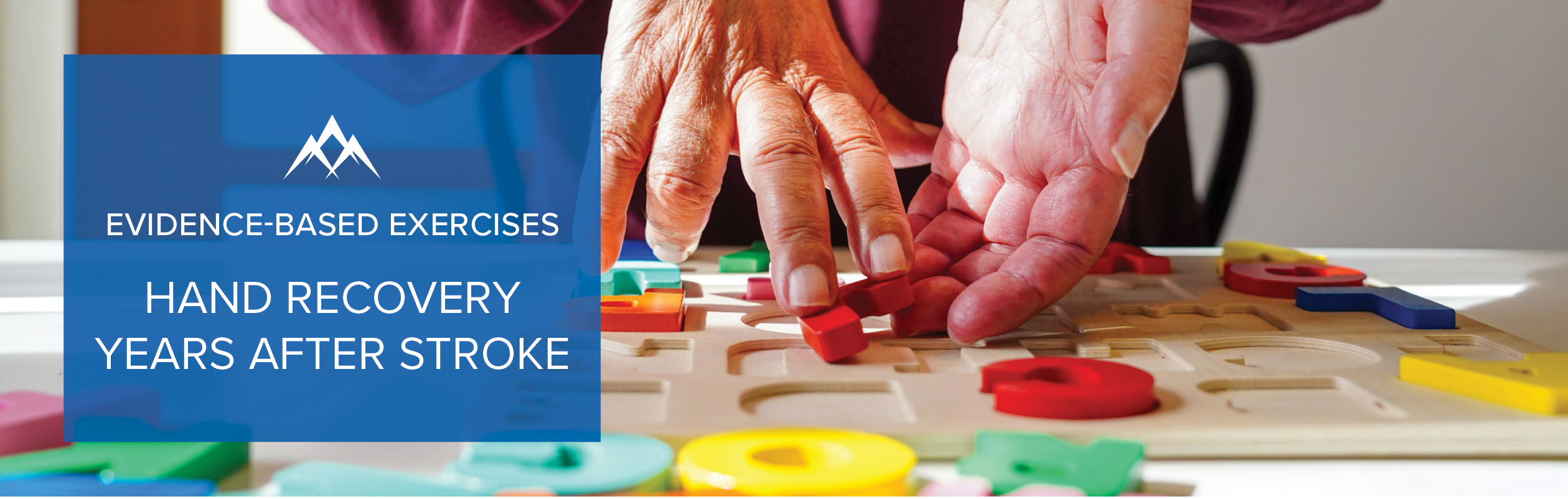
Grip-and-release exercises are foundational for rebuilding voluntary hand control after stroke. These activities focus on improving both strength and coordination through repeated, controlled movement patterns.
Examples include:
- Squeezing a soft ball or therapy putty
- Picking up and releasing household objects (cups, cloths, blocks)
- Crumpling and uncrumpling paper
- Transferring objects from one container to another
- Practicing opening and closing the hand in a controlled rhythm
The primary goal is not maximal force, but repetition and precision of movement. Over time, this helps retrain the brain’s ability to activate hand muscles in a coordinated and functional way.
These exercises are especially important in chronic stroke hand recovery, where regained movement often depends more on repetition and task exposure than spontaneous recovery.
Conclusion
Hand recovery after stroke is not limited by a strict timeline. Research shows that the brain remains capable of change for years through neuroplasticity.
With consistent, task-specific rehabilitation—such as structured stroke hand exercises, electrical stimulation, and functional training—many individuals can continue improving long after the initial injury.
Recovery is highly individual, but the strongest predictors of progress are repetition, motivation, and ongoing use of the affected hand in meaningful tasks.
Home-based rehabilitation tools, including those developed by Saebo, can further support recovery by increasing daily practice opportunities outside of therapy sessions.
References
All content provided on this blog is for informational purposes only and is not intended to be a substitute for professional medical advice, diagnosis, or treatment. Always seek the advice of your physician or other qualified health providers with any questions you may have regarding a medical condition. If you think you may have a medical emergency, call your doctor or 911 immediately. Reliance on any information provided by the Saebo website is solely at your own risk.
