
CRPS Rehabilitation: Effective Tools for Managing Pain and Regaining Function
CRPS Rehabilitation: Effective Tools for Managing Pain and Regaining Function
CRPS (complex regional pain syndrome) creates a daily struggle with chronic discomfort that interferes with movement, function, and quality of life. Saebo and other specialized rehabilitation tools provide hope to patients seeking effective CRPS therapy and long-term symptom management. The syndrome usually affects one limb after an injury, surgery, stroke, or heart attack, and it changes every aspect of daily life.
Research shows mirror therapy is an effective CRPS pain management strategy that helps retrain the brain and reduce nerve-related symptoms. This approach increases movement and decreases pain in affected limbs. Our work with patients shows that combining CRPS exercises, device-assisted therapy, and targeted hand therapy techniques produces the best functional outcomes. Studies also reveal that peripheral nerve stimulation helps manage chronic pain and reduces the need for medications. This detailed guide will help you understand proven CRPS therapy strategies, home exercises for the condition, and rehabilitation tools that support functional restoration.
Understanding CRPS and the Role of Neuroplasticity
Complex Regional Pain Syndrome (CRPS) remains one of the most challenging and misunderstood conditions in chronic pain management and neurological therapy. Affecting approximately 26 out of every 100,000 people each year, this condition occurs three to four times more often in women than in men.
This rare but debilitating disorder typically develops after an injury, surgery, stroke, or heart attack, when the body’s pain response becomes amplified. As a result, individuals experience pain that is disproportionate to the original trauma which is often accompanied by swelling, changes in skin temperature, and limited mobility.
Recent research highlights the critical role of neuroplasticity, the brain’s ability to reorganize and form new neural connections, in both the development and recovery process of CRPS. Understanding and harnessing neuroplasticity is key to creating effective pain management therapy strategies that retrain the nervous system, reduce symptoms, and restore function.
What is CRPS and how does it affect the body?
Complex Regional Pain Syndrome is classified into two types:
- Type I (formerly known as Reflex Sympathetic Dystrophy) — accounts for about 90% of cases and develops without direct nerve injury.
- Type II — occurs after a specific, identifiable nerve injury.
CRPS most commonly affects the upper limb, with approximately 60% of cases involving the arm or hand, making upper limb recovery and hand therapy especially important [1].
Symptoms extend well beyond pain and can include:
- Sensory changes: allodynia (pain from normally non-painful stimuli) and hyperalgesia (increased pain sensitivity)
- Autonomic changes: skin temperature fluctuations, swelling, or discoloration
- Motor disturbances: muscle weakness, joint stiffness, tremor, or reduced range of motion
- Trophic changes: skin or nail changes and tissue wasting if left untreated
Without early and appropriate complex pain therapy and guided exercises, the condition can progress to more disabling complications such as muscle contractures and bone demineralization. While many cases improve within the first year, approximately 15–20% of individuals develop chronic symptoms that require ongoing management and rehabilitation [2].
The brain's role in chronic pain
Emerging research shows how chronic pain conditions fundamentally alters the brain’s processing of sensory information, contributing to persistent nerve pain and movement limitations. Our brains maintain maps of the body to interpret sensations. These brain maps become “smudged” in individuals with complex pain conditions, disrupting normal movement and sensory feedback. Fewer brain cells now represent the affected limb, which makes the boundaries less clear.
Brain imaging studies have found changes in several regions, especially the parietal lobe, somatosensory cortex, mid-insula, and cingulate. CRPS patients might also experience cognitive challenges, distorted body representation, and feelings of limb disownership.
How neuroplasticity supports CRPS rehabilitation
Neuroplasticity - our brain's ability to reorganize itself - brings hope to recovery. This mechanism initially contributes to the problem through central sensitization. Yet, we can utilize this same mechanism for rehabilitation.
Therapists utilize neuroplasticity for pain recovery therapy using Saebo devices and other rehabilitation tools through several approaches:
One common approach uses graded motor imagery for CRPS, a three-stage brain retraining process that includes limb recognition, imagined movement, and mirror-based motor learning. Mirror therapy serves as the second approach, which "tricks" the brain when patients look at their non-painful limb's reflection. One other approach involves desensitization techniques that gradually expose the affected limb to different textures and temperatures.
These methods have proven to work well. They help restore normal brain maps and reduce pain significantly with minimal side effects.
Top Tools for CRPS Rehabilitation and Pain Relief
Successful CRPS pain management requires specialized rehabilitation tools that target both neurological retraining and physical recovery. Research shows that these rehabilitation strategies promote long-term healing through neuroplasticity by supporting brain retraining and functional recovery.
Mirror box therapy for visual feedback
Mirror therapy creates a visual illusion that helps retrain the brain and reduce CRPS nerve pain by restoring normal movement perception. The Saebo Mirror Box makes this process simple and effective, activating mirror neurons that support motor learning and cortical reorganization.
Clinical research shows that consistent mirror therapy, about 30 minutes a day, five days per week, can reduce symptoms, decrease spasticity, and improve sensation, particularly for upper limb recovery. This noninvasive approach helps re-establish normal brain-body communication while restoring confidence in movement.
Saebo devices for stroke and CRPS recovery
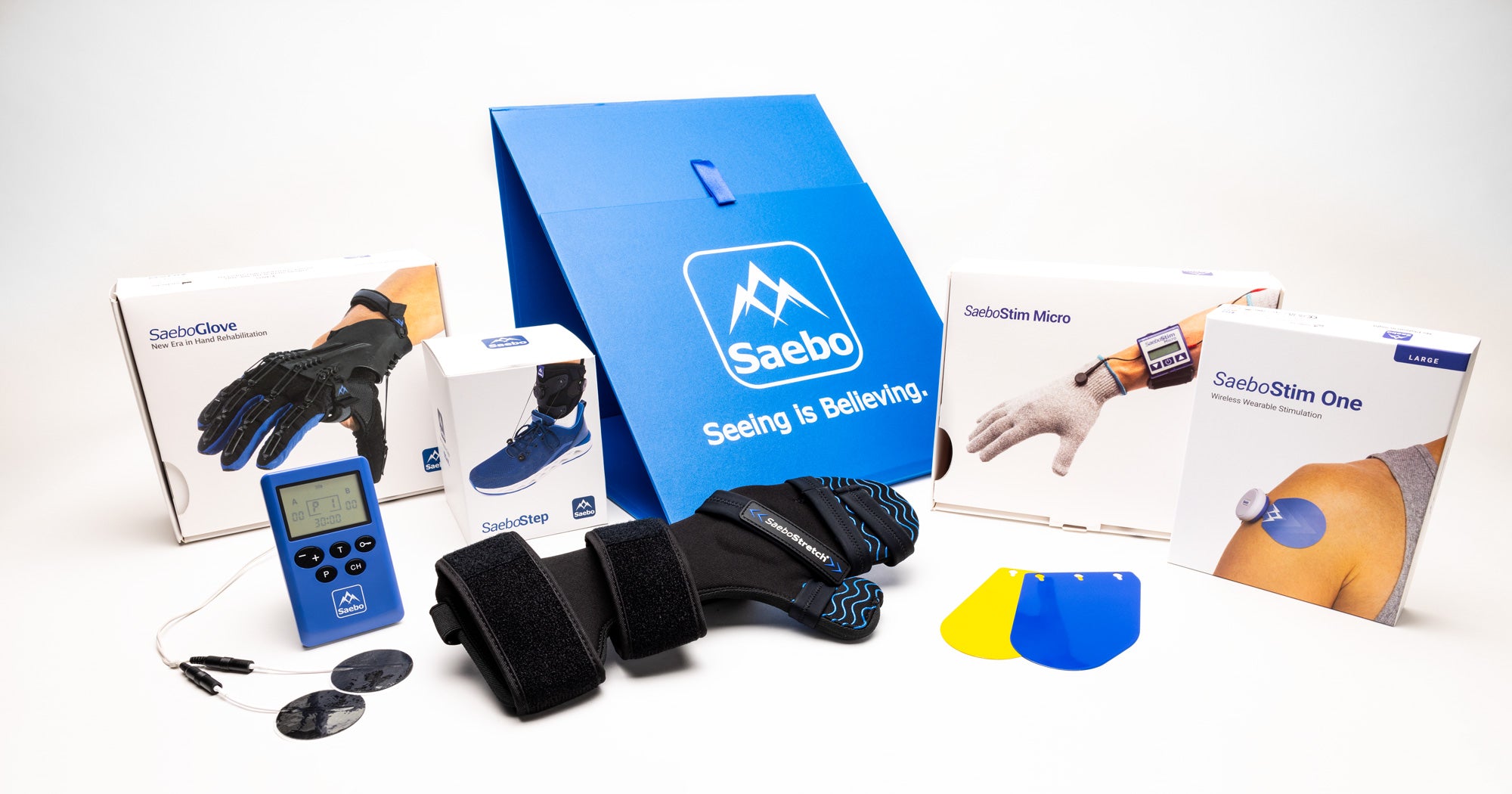
Saebo’s CRPS rehabilitation devices empower patients to harness neuroplasticity through repetitive, task-specific therapy at home or in the clinic. Each device is designed to help patients move, feel, and function more naturally:
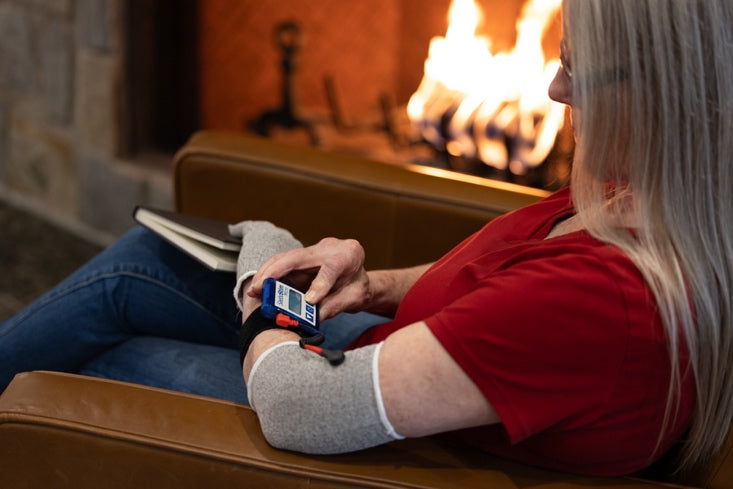
- SaeboStim Micro: Provides low-level sensory electrical stimulation through conductive garments to reduce spasticity, swelling, and temperature irregularities in the affected hand.
- SaeboStim Spa: Delivers gentle, underwater nerve stimulation ideal for foot and ankle rehabilitation, and can also be used for the arms or hands.
- SaeboGlove: A dynamic orthosis that assists with grip and release exercises, promoting finger extension and improved hand strength.
- Saebo Mirror Box: Supports mirror therapy by providing visual feedback to the brain, helping reduce pain, improve movement, and retrain the affected limb.
These tools help re-engage the nervous system, encourage active movement, and support long-term recovery.
Compression and desensitization tools
Desensitization techniques are essential for managing hypersensitivity and reducing complex regional pain syndrome nerve pain in affected areas. These methods gradually reintroduce the nervous system to different textures, temperatures, and pressures, helping the brain recalibrate its pain response. Therapy often begins with gentle, soft materials such as silk, cotton, or soft brushes applied to unaffected areas, gradually progressing to the affected limb as tolerance improves. Incorporating various textures like velvet, sponge, or sandpaper can further stimulate sensory adaptation.
Compression garments play a complementary role by providing consistent, gentle pressure to reduce swelling and edema, which are common in CRPS. This pressure can improve circulation, support joints, and enhance proprioception, helping patients regain functional use of their limb. Combining desensitization routines with compression therapy can reduce symptom flare-ups and improve tolerance to daily activities, making it an essential component of therapy at home.
How to Use These Tools Effectively at Home
Understanding CRPS rehabilitation tools is just the beginning of effective home-based therapy. Structured home exercises for CRPS are vital for long-term recovery success. Let’s look at some effective home-based approaches that boost therapeutic benefits.
Setting up a mirror therapy routine
Creating the right environment can significantly improve the effectiveness of mirror therapy for CRPS. Choose a quiet, comfortable space free of distractions so you can focus fully on the visual feedback. Position the mirror vertically on a table or stand so that the reflective surface faces your unaffected limb, while keeping the affected limb completely hidden behind it.
Begin with short sessions in the range of 10 minutes, 4–5 times per day. Frequent, consistent practice tends to yield better results than occasional long sessions. Start by simply observing the reflection of your unaffected limb at rest to let your brain adjust to the visual illusion. Once comfortable, begin making slow, symmetrical movements with both limbs while focusing on the mirror image. If pain, discomfort, or heightened sensitivity occurs, pause and return to the observation phase before resuming movement.
Guided CRPS exercises for hand recovery
Hand rehabilitation after CRPS should begin slowly and mindfully with guided exercises. Start with 2–3 gentle repetitions of each exercise every hour throughout the day. Keep a pain journal and rate your pain on a 0–10 scale, aiming to stay within a manageable range of 0–5. This helps you progress safely while avoiding pain flare-ups.
As tolerance improves, gradually increase to sets of 8 repetitions, rest, and repeat another set 2–3 times per day. Focus on controlled, smooth movements rather than force or speed. Key exercises include:
- Tendon gliding: Helps maintain finger flexibility and prevent stiffness.
- Joint blocking: Strengthens isolated finger joints and promotes fine control.
- Wrist flexion and extension: Supports range of motion and circulation.
Mild discomfort or stretching sensations are normal, but exercises should never cause sharp or lingering pain. If your overall pain increases or the limb becomes more sensitive, reduce the intensity or frequency and return to gentler movements. Consistency with daily CRPS exercises is more important than intensity, and progress develops over time with patience.
Using Saebo tools safely and effectively
Consistency is key to getting the best results with Saebo devices used for daily therapy and recovery. Daily, structured practice helps retrain the brain, improve strength, and restore functional use of the affected limb. The Saebo Mirror Box is one mirror option to reduce pain and improve coordination through visual feedback. Hand assistance devices, like the SaeboGlove assists with grip, release, and wrist extension, supporting hand strength and dexterity, while the SaeboStim Micro provides low-level sensory stimulation to enhance sensation, reduce spasticity, and support motor re-education. Patients often find these devices motivating because they can see and feel their progress, making consistency the most important factor in recovery.
Benefits and Limitations of CRPS Pain Management Devices
Additional devices, like nerve stimulators, are additional tools you could speak with your physician about. Many patients find that these tools allow them to manage symptoms more effectively and reduce reliance on medications, which can carry side effects or risks of dependency. At the same time, outcomes vary between individuals, and no device or treatment works perfectly for everyone. Some treatments, just like supportive devices, may require professional guidance, monitoring, or adjustments to be used safely and effectively. Patients interested in exploring these options should discuss them with their healthcare provider to determine which approaches are appropriate for their specific needs and goals.
Conclusion
Pain recovery therapy can be challenging, but evidence-based tools and guided CRPS exercises offer hope. The brain’s neuroplasticity allows recovery of proper sensory interpretation and pain regulation, and consistent use of light exercises, mirror therapy, Saebo assistive devices, and peripheral nerve stimulation can reduce pain and improve function.
Regular home-based CRPS therapy combining mirror therapy, graded motor imagery, and daily exercises helps create lasting progress. Using multiple approaches together often produces better outcomes than relying on just one. These tools can also reduce medication dependence and help patients regain independence and participate in activities they had abandoned.
Early, consistent practice and patience are key. Each small gain brings you closer to regaining control of your body and improving your quality of life.
References
All content provided on this blog is for informational purposes only and is not intended to be a substitute for professional medical advice, diagnosis, or treatment. Always seek the advice of your physician or other qualified health providers with any questions you may have regarding a medical condition. If you think you may have a medical emergency, call your doctor or 911 immediately. Reliance on any information provided by the Saebo website is solely at your own risk.
