
Hand Exercises After Stroke: A Complete Guide to Improving Hand Function and Recovery
Up to 80% of stroke survivors experience hemiparesis affecting the arm and hand on one side of the body [1]. While many individuals make meaningful gains during the first six months after stroke, hand recovery often takes longer and may continue for months or even years through consistent rehabilitation and neuroplasticity-driven practice.
Hand impairments can significantly affect daily activities, from eating and dressing to writing and grasping objects. Restoring independence often requires improving hand strength, mobility, coordination, and dexterity.
The good news? Targeted hand exercises after stroke can significantly improve strength, coordination, dexterity, and overall hand function when practiced consistently. Consistently practicing stroke hand exercises, fine motor activities, and occupational therapy techniques helps activate neuroplasticity—your brain's ability to reorganize and form new neural pathways after injury.
In this guide, you'll find structured hand exercises after stroke organized by ability level, along with strategies for improving hand strength, fine motor control, and functional use during everyday activities.
Why Hand Exercises Work for Stroke Recovery
How Stroke Affects Hand Function
Strokes disrupt communication between the brain and hand muscles. Simple movements like opening the hand, straightening fingers, grasping objects, or manipulating small items can become difficult. Hand function is often one of the slowest abilities to recover because the hand and fingers are located farther from the central nervous system and require highly coordinated muscle activation. Following a stroke, weakness, decreased use, and impaired motor control can lead to muscle atrophy and reduced functional performance.
Research suggests that as many as 80% of stroke survivors experience arm and hand impairments that affect everyday activities such as dressing, bathing, cooking, and household management [1].
The Role of Neuroplasticity in Recovery
Neuroplasticity refers to the nervous system's ability to adapt and reorganize following injury. After stroke, the brain can form new neural pathways that help restore movement and function. Research has identified several mechanisms that contribute to recovery, including increased activity within the somatosensory system, improvements in corticospinal tract integrity, and restoration of communication between the two hemispheres of the brain [2].
Repetition activates this process. Each time you practice intentional movement, you stimulate your brain to strengthen pathways associated with that task. High-repetition practice remains one of the most effective methods for promoting motor relearning. The more you practice hand therapy exercises after stroke, the more opportunities your brain has to strengthen neural pathways involved in movement and functional hand use.
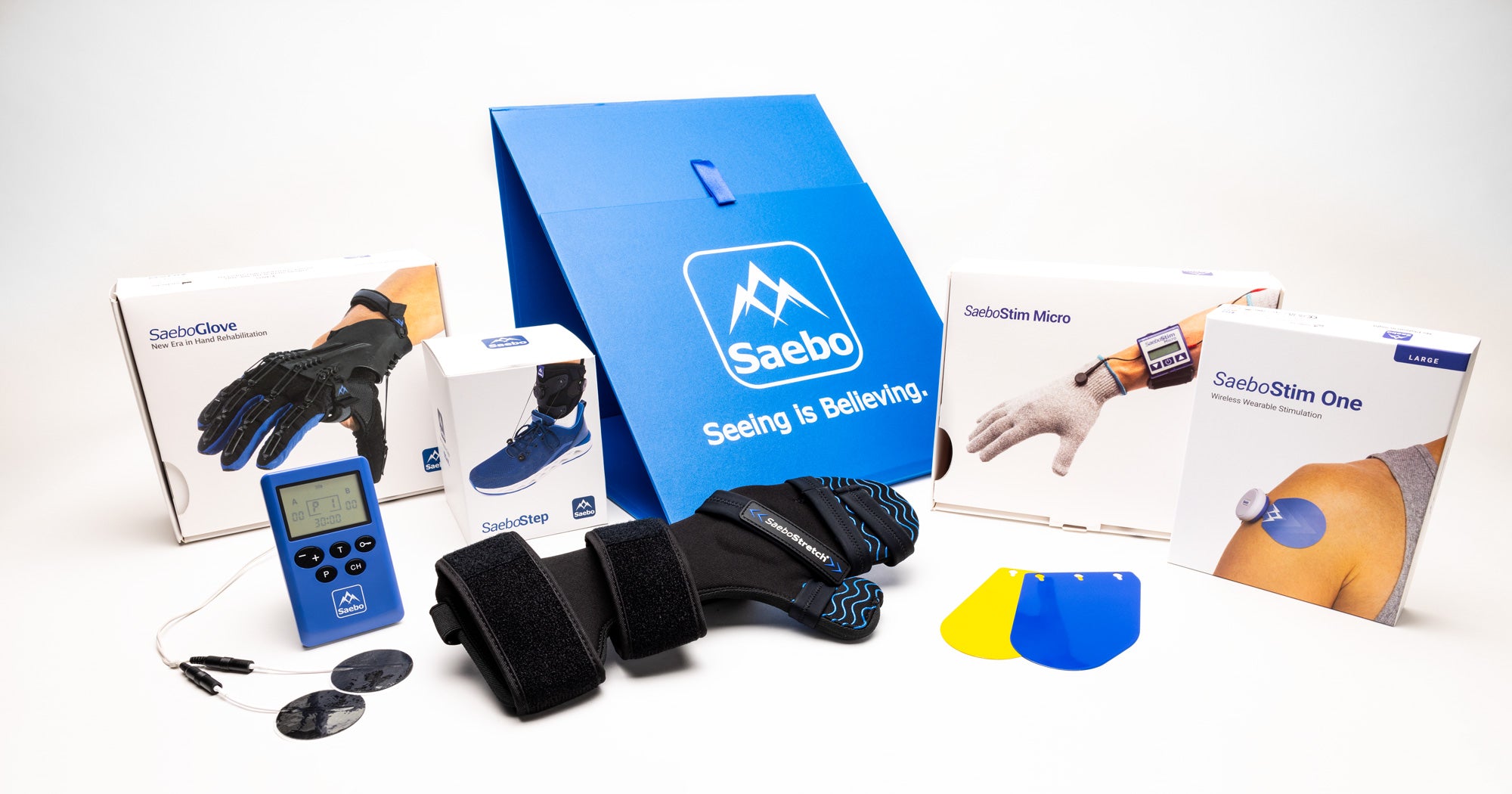
Because repetition is one of the strongest drivers of neuroplasticity, many therapists incorporate rehabilitation technology to help increase practice volume. Devices such as the SaeboGlove can help individuals with limited finger extension participate in more functional hand exercises and complete more repetitions during home rehabilitation programs.
Recovery is most effective when exercises closely match real-life tasks. This is known as task-specific training—practicing meaningful activities such as grasping a cup, buttoning clothing, or holding utensils helps the brain relearn functional movement patterns more effectively than isolated exercises alone.
How Long Does Hand Recovery Take After Stroke?
One of the most common questions stroke survivors ask is how long hand recovery takes. Recovery timelines vary based on stroke severity, treatment timing, and exercise consistency.
The fastest improvements often occur during the first three to six months after stroke. However, research demonstrates that meaningful gains can continue months and even years later when individuals participate in ongoing rehabilitation and high-repetition practice [3].
This means it is never too late to work on improving hand function after stroke.
Starting Hand Exercises After Stroke
People who received intensive motor therapy two to three months after stroke onset demonstrated the greatest improvements one year later. Participants beginning therapy later still experienced gains, although improvements were generally smaller.
While many survivors experience their fastest gains during the first six months after stroke, research has demonstrated that recovery can continue well beyond this period when individuals engage in consistent, task-specific rehabilitation.
Setting Realistic Recovery Goals
Break down broad goals into specific, measurable, achievable, relevant, and time-bound milestones.
Instead of simply wanting to "improve hand function," consider goals such as:
- Pick up a pen independently within two weeks
- Button a shirt within three months
- Pour a glass of water without assistance
Recovery takes time and varies for every person, but setting realistic goals and tracking progress can help maintain motivation throughout the rehabilitation journey.
Can a Paralyzed Hand Recover After Stroke?
Depending on the severity and location of the stroke, some survivors may experience significant weakness or paralysis of the hand.
Although recovery varies, research has shown that the brain retains the ability to reorganize itself through neuroplasticity [4]. Even individuals with severe hand impairments may benefit from passive range of motion exercises, mental practice, electrical stimulation, and high-repetition task-specific training.
Level 1: Gentle Hand Exercises for Limited Mobility
Passive range of motion exercises are often recommended for individuals with severe weakness, limited movement, or hand paralysis after stroke. These exercises use the unaffected hand to guide the affected hand through movement, helping provide sensory input and stimulate neuroplasticity. Research suggests that combining passive exercise with mental practice may further support recovery.
Palm Up and Palm Down Movements (Pronation/Supination)
This movement is important for everyday activities such as dressing, carrying objects, and turning doorknobs.
- Rest your affected hand on a table with your palm facing down.
- Use your unaffected hand to rotate your forearm until your palm faces up.
- Return to the starting position.
- Repeat for 20 repetitions.
Wrist Flexion and Extension
This exercise helps maintain wrist mobility and flexibility.
- Support your affected hand at the wrist and palm.
- Slowly bend the wrist backward.
- Return to neutral.
- Bend the wrist forward.
- Perform the movement slowly and within a comfortable range.
Assisted Finger Stretches
This exercise helps maintain finger range of motion and reduce stiffness.
- Place your palms together.
- Use the fingers of your unaffected hand to gently straighten the fingers of your affected hand.
- Hold briefly before relaxing.
- Repeat several times.
Tips for Safe Passive Exercise
- Support the weight of your affected arm throughout the exercise.
- Move slowly and smoothly.
- Avoid forcing stiff joints into uncomfortable positions.
- Stop if you experience pain.
Why Is My Hand Clenched After Stroke?
Many stroke survivors develop increased muscle tone, often called spasticity, which can cause the hand to remain tightly clenched. Spasticity occurs when communication between the brain and muscles becomes disrupted. Appropriate stretching, positioning, therapeutic exercise, and rehabilitation interventions can help improve comfort, maintain range of motion, and support functional hand use.
Spastic Hand Exercises for Muscle Control
Hand spasticity affects many stroke survivors and may interfere with grasping, releasing objects, dressing, hygiene, and other daily activities. It can also make the hand feel tight or difficult to open, limiting functional use.
The goal of spasticity-focused exercises is not to “force” the hand open, but to promote controlled activation, improve comfort, and maintain range of motion through gentle, repeated movement.
- Hold a small therapeutic ball or soft stress ball in your palm
- Gently close your hand around the ball until you feel light activation (avoid excessive force)
- Hold the squeeze for 3–5 seconds while focusing on controlled breathing
- Slowly release and allow the fingers to relax as much as possible
- Repeat for 10–20 repetitions depending on tolerance
For individuals with increased stiffness, it may help to start with shorter holds and fewer repetitions, gradually building tolerance over time. Consistency is more important than intensity.
When possible, pairing this exercise with assisted extension or supported opening (such as during guided therapy or with devices like the SaeboGlove) can further support functional hand recovery by encouraging both flexion and release patterns needed for everyday activities.
Frequently Asked Questions About Hand Recovery After Stroke
What are the best hand exercises after stroke?
The best hand exercises after stroke depend on your current ability level but often include range of motion exercises, grip-and-release activities, finger isolation exercises, and fine motor coordination tasks.
How often should I perform hand exercises after stroke?
Most rehabilitation programs recommend daily practice. High repetition and consistency are important for promoting neuroplasticity and improving hand function.
Can hand function return years after stroke?
Yes. Although recovery is often fastest during the first six months, research shows that meaningful improvements can continue years after stroke with ongoing rehabilitation.
What if I cannot open my hand after stroke?
Difficulty opening the hand is often related to weakness, impaired motor control, or spasticity. Therapeutic exercises, stretching, electrical stimulation, and devices such as the SaeboGlove may help improve participation in rehabilitation.
Conclusion
The key to success is consistent practice, high repetition, and meaningful task-specific training. Every exercise provides an opportunity to activate neuroplasticity and strengthen the neural pathways involved in movement and coordination.
Whether you are working on passive range of motion, grip strength, fine motor control, or managing spasticity, every repetition contributes to recovery.
Many stroke survivors also benefit from combining therapeutic exercises with rehabilitation technology such as the SaeboGlove and other evidence-based interventions that help increase repetition and participation in home exercise programs. Working closely with an occupational therapist can help ensure exercises are tailored to your individual needs and recovery goals.
Recovery looks different for every person, but meaningful improvements can occur months and even years after stroke. Start at your current ability level, focus on achievable goals, and gradually progress toward more challenging activities.
Keep practicing. Every repetition creates another opportunity for recovery.
All content provided on this blog is for informational purposes only and is not intended to be a substitute for professional medical advice, diagnosis, or treatment. Always seek the advice of your physician or other qualified health providers with any questions you may have regarding a medical condition. If you think you may have a medical emergency, call your doctor or 911 immediately. Reliance on any information provided by the Saebo website is solely at your own risk.
