
Hand Positioning & Rehab Success: How SaeboStretch Supports Stroke Orthopedic, and Post-Surgical Hand Recovery
Proper hand positioning is a critical component of rehabilitation success, whether recovering from stroke, neurological injury, orthopedic conditions, inflammatory hand disorders, or hand surgery. Clinical studies show that static splints and conventional methods often fail to prevent contractures, manage spasticity, or optimize tissue healing [1]. The SaeboStretch addresses this gap, helping people across neurological, orthopedic, inflammatory, and post-surgical care maintain proper hand positioning and improve functional independence.
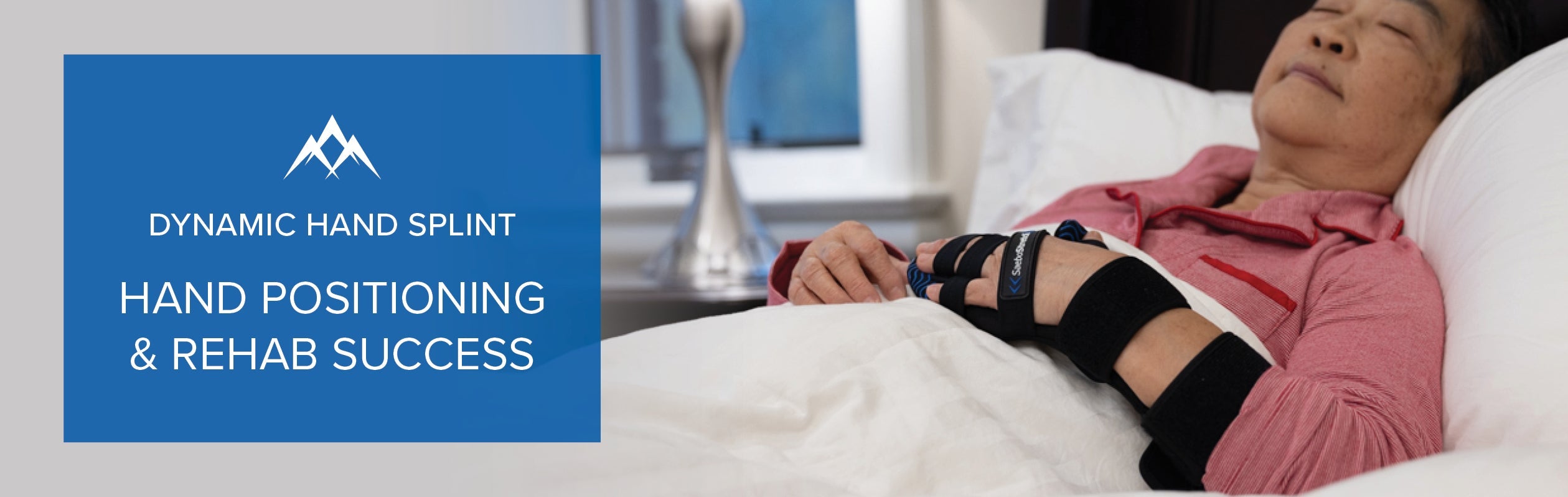
The right resting hand position helps patients of all conditions in many ways. The SaeboStretch works as a dynamic resting hand brace that manages muscle tone and helps prevent contractures during prolonged periods of rest, rather than serving as an exercise or strengthening device.
The SaeboStretch includes features originally developed for neurological recovery but broadly applicable across multiple rehabilitation settings. The device also helps with orthopedic injuries, post-surgical stiffness, and overuse syndromes. This piece will get into why hand positioning matters and how the SaeboStretch benefits go way beyond stroke rehabilitation.
Why hand positioning is critical in rehabilitation
The human hand's unique structure just needs precise positioning during recovery. A complex network of muscles, tendons, and nerves must line up to work properly. The hand's controlling muscles start at the elbow and forearm. Smaller intrinsic muscles inside the hand guide delicate finger movements. These components work together through neural pathways.
Research demonstrates that the brain and body rely on specific hand postures for optimal motor function, whether the goal is stroke recovery, regaining dexterity after orthopedic injury, or post-surgical rehabilitation [2]. Patients are less likely to use their hand effectively if it lacks functional support. This makes a dynamic resting hand brace like the SaeboStretch essential not just for neurological rehab but also for post-surgical healing, orthopedic recovery, and long-term soft tissue management.
Proper hand positioning offers several benefits:
- Maintains proper alignment of muscles and tendons, supporting nerve signal transmission and joint integrity in both neurological and orthopedic rehab
- Keeps soft tissues at optimal length to prevent contractures, stiffness, and post-surgical complications
- Improves proprioceptive awareness, supporting safer hand awareness and positioning during rehabilitation and daily activities across conditions
- Reduces joint and tendon strain, lowering the risk of overuse injuries during neurological or orthopedic recovery programs
A functional resting position during stroke rehab helps maximize recovery potential. Bad positioning like a fisted hand or flexed wrist can cause avoidable complications. Different hand positions influence muscle length, joint alignment, and tissue loading, which supports balanced rehabilitation programs.
The unique design and function of the SaeboStretch
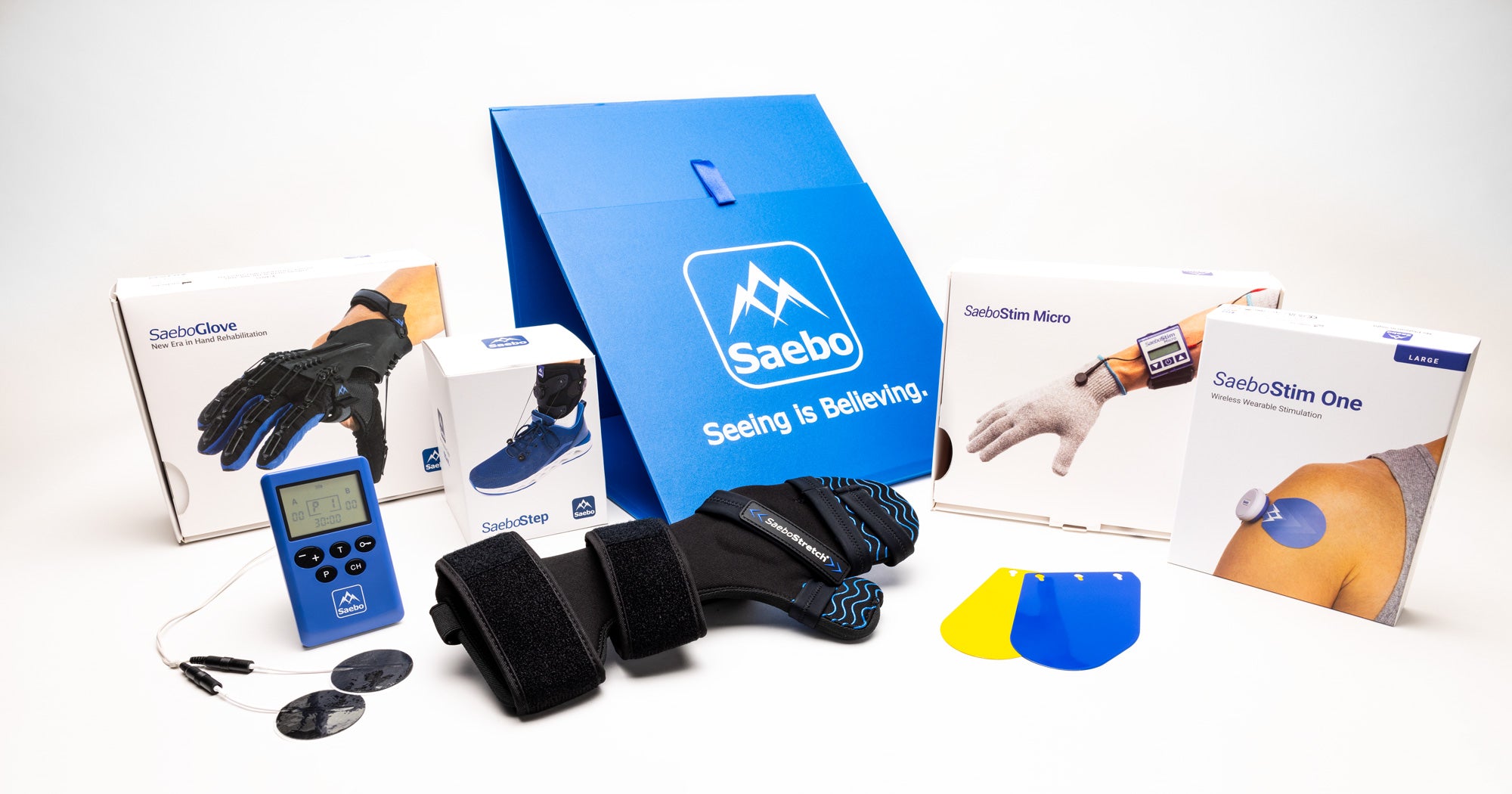
The SaeboStretch is different from traditional hand splints because of its patented dynamic design. Its innovative stretch technology lets fingers move freely instead of restricting them. This dynamic resting hand brace comes with three color-coded interchangeable hand plates that provide different levels of resistance. Yellow plates offer minimal resistance, red ones provide moderate resistance, and blue plates give maximum resistance to handle varying degrees of spasticity.
Traditional rigid splints frequently contribute to joint deformities, contractures, or hypermobility, whether in stroke survivors, post-surgical patients, or those with chronic injuries. The SaeboStretch uses energy-storing technology that allows the fingers to flex when tone or tension increases and gradually return to extension, supporting safe resting alignment, tissue protection, and prolonged low-load stretch across neurological, orthopedic, and post-surgical recovery. The splint gives way before the fingers do to prevent harmful stress on joints.
The device has a strategic strapping system that targets specific anatomical points for better control. Its flexible wrist and thumb components allow custom positioning that helps with contracture prevention. You can adjust the thumb position for both radial and palmar adduction/abduction to stretch web spaces properly.
The design includes several practical features:
- A non-slip cover with comfortable straps that stays in place
- Padding for the palmar arch that supports proper structure
- A removable cover with zipper that makes cleaning and plate changes easy
This specialized design helps people recovering from stroke rehab, neurological injuries, or orthopedic conditions by providing protection and therapeutic stretching.
Applications of SaeboStretch
The SaeboStretch stands out with its innovative design and adaptability in rehabilitation. This dynamic brace comes with three interchangeable hand pieces that work well for different clinical needs.
Stroke and Neurological Rehab
The SaeboStretch plays a pivotal role in stroke recovery and neurological rehabilitation. Regular use after stroke, TBI, or spinal cord injury supports recovery by maintaining optimal resting hand position, managing spasticity, and protecting soft tissues between therapy sessions, which indirectly supports neuroplasticity when combined with active rehabilitation. The device also helps prevent common post-stroke complications, like the painful “claw-fist” deformity from increased tone, and supports long-term hand function. This dynamic resting hand brace works better than static options. It adapts to tone changes that happen when patients change position, cough, or sneeze, and helps fingers return to their extended position.
Post-Surgical Resting Hand Brace
Maintaining correct hand positioning after hand or wrist surgery helps prevent complications during tissue healing and supports safe rest, protection, and positioning between therapy sessions. The SaeboStretch provides gentle, adaptive support that safeguards joints, soft tissues, and tendons, allowing protected rest, proper positioning, and tissue healing between therapy sessions or during periods of reduced activity. The device's customizable fit allows you to adjust everything perfectly throughout recovery, so patients face lower risks of developing other problems.
Conservative Orthopedic Conditions
The device supports patients with orthopedic injuries, inflammatory conditions, or overuse syndromes by maintaining a comfortable, functional resting hand position during periods of rest and recovery, where protection and gentle positioning—not strengthening—are the primary goals. The SaeboStretch includes three interchangeable resistance plates (yellow, red, and blue) that allow clinicians to accommodate changes in stiffness, swelling, tone, or comfort over time. This design makes the SaeboStretch well-suited for long-term resting use, where gentle, low-load stretch and proper positioning are needed without frequent adjustment or constant therapist oversight.
Spasticity and Tone Management
Research indicates that static splinting is often insufficient for managing spasticity or elevated muscle tone, whether caused by neurological conditions or secondary orthopedic injuries. The SaeboStretch uses gentle, extended stretching to manage increased muscle tone safely. The SaeboStretch provides gentle, prolonged low-load stretch that enhances comfort and compliance with resting wear schedules, improving outcomes related to tone management, joint protection, and contracture prevention across neurological, post-surgical, and orthopedic care.
Conclusion
Proper hand positioning is essential for rehabilitation success across neurological, orthopedic, and post-surgical contexts, yet many conventional methods fail to address it adequately. The SaeboStretch offers substantial advantages over conventional rigid splints. This innovative dynamic design works with the body's natural mechanics instead of restricting movement.
Static positioning alone provides limited results for stroke recovery, orthopedic rehab, and post-surgical hand recovery. The SaeboStretch's design lets it adapt to tone fluctuations and gradually returns fingers to extension. This represents a major leap in rehabilitation technology. The device also offers three color-coded resistance levels that let therapists customize treatment as patients recover.
The SaeboStretch works great for orthopedic injuries, post-surgical recovery, and overuse syndromes of all types. Though created for neurological conditions, this versatile device tackles soft tissue shortening and joint arrangement in many patient groups. Knowing how to maintain proper positioning without harmful joint stress makes it ideal for long-term use.
Patients maintain high adherence to the SaeboStretch because of its comfort and adaptability, which improves outcomes for stroke hand therapy, orthopedic recovery, post-surgical rehabilitation, and long-term hand health. This compliance factor alone boosts rehabilitation success rates compared to less comfortable options. Even the best therapeutic device becomes useless when patients won't wear it.
The human hand's complex structure needs specialized care during rehabilitation. The SaeboStretch's smart design elements provide targeted support where patients need it most. From its strategic strapping system to customizable thumb positioning, these features prevent contractures and promote optimal nerve conductivity and joint health.
References
All content provided on this blog is for informational purposes only and is not intended to be a substitute for professional medical advice, diagnosis, or treatment. Always seek the advice of your physician or other qualified health providers with any questions you may have regarding a medical condition. If you think you may have a medical emergency, call your doctor or 911 immediately. Reliance on any information provided by the Saebo website is solely at your own risk.
