
How to Do CIMT Therapy at Home: A Step-by-Step Guide to Stroke Recovery and Arm Rehabilitation

CIMT therapy requires just 10 to 20 minutes of practice twice daily with your weaker hand. In fact, studies have shown high adherence rates among individuals completing modified CIMT programs at home [1]. Sounds manageable, right?
But what exactly is CIMT therapy? Constraint-Induced Movement Therapy (CIMT) is an evidence-based stroke rehabilitation approach that restricts the stronger limb while encouraging repetitive use of the affected arm and hand. The goal is to improve movement, restore function, and promote neuroplasticity — the brain's ability to reorganize and form new neural pathways after injury.
Whether you're participating in traditional CIMT through occupational therapy or a modified home-based program, this approach can help reduce learned non-use and encourage meaningful recovery.
In this guide, you'll learn how CIMT works, who may benefit from it, how to set up a home program, and which exercises can help improve arm and hand function after stroke.
What Is CIMT Therapy and How Does It Work?
After a stroke, as many as 80% or more of survivors experience upper-extremity impairments that affect arm and hand function [2]. As a result, many people begin relying heavily on their stronger side to complete everyday tasks.
Over time, this compensation can lead to a phenomenon known as learned non-use. Even when some movement remains in the affected arm, individuals may stop using it altogether because the stronger arm is faster and easier to use. Constraint-Induced Movement Therapy was developed to break this cycle.
CIMT combines three key components:
- Restricting the unaffected arm with a mitt, sling, or other restraint
- Intensive task-specific training using the affected arm and hand
- Behavioral strategies that encourage use of the affected limb during daily activities
The science behind CIMT centers on neuroplasticity — the brain's ability to reorganize and adapt after injury. Through repetitive task-specific practice, CIMT helps stimulate the brain areas responsible for arm and hand movement.
Multiple clinical studies have shown that CIMT can improve upper-extremity function, increase use of the affected arm during daily activities, and promote measurable changes within the brain associated with recovery [2].
Because CIMT is supported by decades of research, it is widely used by occupational therapists and stroke rehabilitation specialists as part of comprehensive upper-extremity recovery programs.
Who Is a Good Candidate for CIMT Therapy?
CIMT is not appropriate for every stroke survivor. In general, individuals should have at least some voluntary movement in the affected wrist and fingers before beginning a CIMT program. A therapist can help determine whether you meet the movement requirements and whether CIMT is a safe option for your specific situation.
Even if you are not currently a candidate for traditional CIMT, modified CIMT (mCIMT) or other rehabilitation approaches may still help improve arm and hand function.
How the SaeboGlove Can Support CIMT Participation
Traditional CIMT therapy typically requires some voluntary wrist and finger movement, which can limit access for individuals with more significant hand weakness early in recovery.
The SaeboGlove is a dynamic hand orthosis designed to assist finger extension while still allowing active participation in grasp-and-release movements. This makes it easier for individuals with limited hand function to engage in repetitive, task-specific training.
In stroke rehabilitation, devices like the SaeboGlove are used to help individuals:
- Participate in functional hand practice when active finger extension is limited
- Increase repetition of grasping and releasing tasks
- Engage in everyday activities such as lifting, reaching, and object manipulation
- Transition more effectively into modified CIMT programs
By supporting active-assisted movement, the SaeboGlove may help more individuals access CIMT-style principles earlier in recovery, even when full hand opening is not yet possible. This increased participation and repetition can support motor learning and neuroplasticity after stroke.
CIMT vs Modified CIMT
Traditional CIMT programs often involve several hours of supervised therapy each day and extensive use of a restraint during waking hours. Modified CIMT (mCIMT) offers a more practical alternative for home use and is one of the most common approaches used in home-based stroke rehabilitation programs.
Depending on the program, modified CIMT may involve:
- 30 minutes to 2 hours of daily practice
- Structured home exercises
- Functional task training
- Periodic therapist supervision
Research suggests that modified CIMT can still produce meaningful improvements in arm and hand function while fitting more easily into everyday life [3].
Setting Up Your Home CIMT Program
Before beginning a home CIMT program, schedule an evaluation with an occupational therapist or physical therapist. They can assess your movement abilities, identify safety considerations, and create an individualized treatment plan.
Many home programs begin with therapist instruction followed by independent practice at home. A family member or caregiver may also help provide encouragement and accountability throughout the process. A successful home CIMT protocol includes several key components designed to maximize use of the affected arm during everyday activities.
First, select a method for limiting use of the stronger arm. Depending on therapist recommendations, this may involve a mitt, sling, or other restraint. The goal is not simply to restrict the stronger arm but to create more opportunities for meaningful practice with the affected limb throughout the day.
Next, establish a dedicated practice space with commonly used household objects that can be incorporated into training activities, such as a table with cups for stacking, a towel for folding practice, water bottles or cans for lifting and reaching tasks, a small box or bin for object transfer drills, and everyday items like utensils, remote controls, or clothing for functional grasp-and-release practice.
Finally, schedule practice sessions during times of day when energy levels are highest. Consistency is often more important than perfection and maintaining a routine can improve long-term adherence. Weekly therapist check-ins may help track progress, adjust exercises, and maintain motivation.
Step-by-Step CIMT Exercises and Activities at Home
Shaping activities form the foundation of most home CIMT programs. These activities are gradually adjusted to match your abilities while providing opportunities for success and progression.
Simple stroke recovery exercises often serve as a starting point, including:
- Opening and closing the hand
- Touching each finger to the thumb
- Reaching forward
- Bending the elbow through a comfortable range of motion
- Lifting lightweight objects
As movement improves, more functional tasks can be introduced.
Card flipping exercises build dexterity, coordination, and fine motor control in the affected hand. Practice grasping and turning over each card one at a time.
Water bottle pick-ups challenge grip strength and functional arm control by requiring repeated reaching, grasping, and lifting movements.
Additional CIMT exercises may include:
- Stacking cups
- Picking up coins
- Folding laundry
- Carrying lightweight objects
- Opening containers
- Reaching into cabinets
- Moving objects between shelves
- Buttoning clothing
- Using eating utensils
- Operating a phone or remote control
Remember that the goal is not simply to complete exercises but to improve real-world arm and hand function.
Incorporating CIMT Into Daily Activities
Functional household activities are especially valuable because they help transfer gains from therapy into real-world situations.
Look for opportunities throughout the day to use your affected arm when:
- Folding towels
- Loading the dishwasher
- Wiping countertops
- Opening doors
- Pouring liquids
- Carrying groceries
- Organizing household items
These everyday activities reinforce motor learning and help improve independence during activities of daily living.
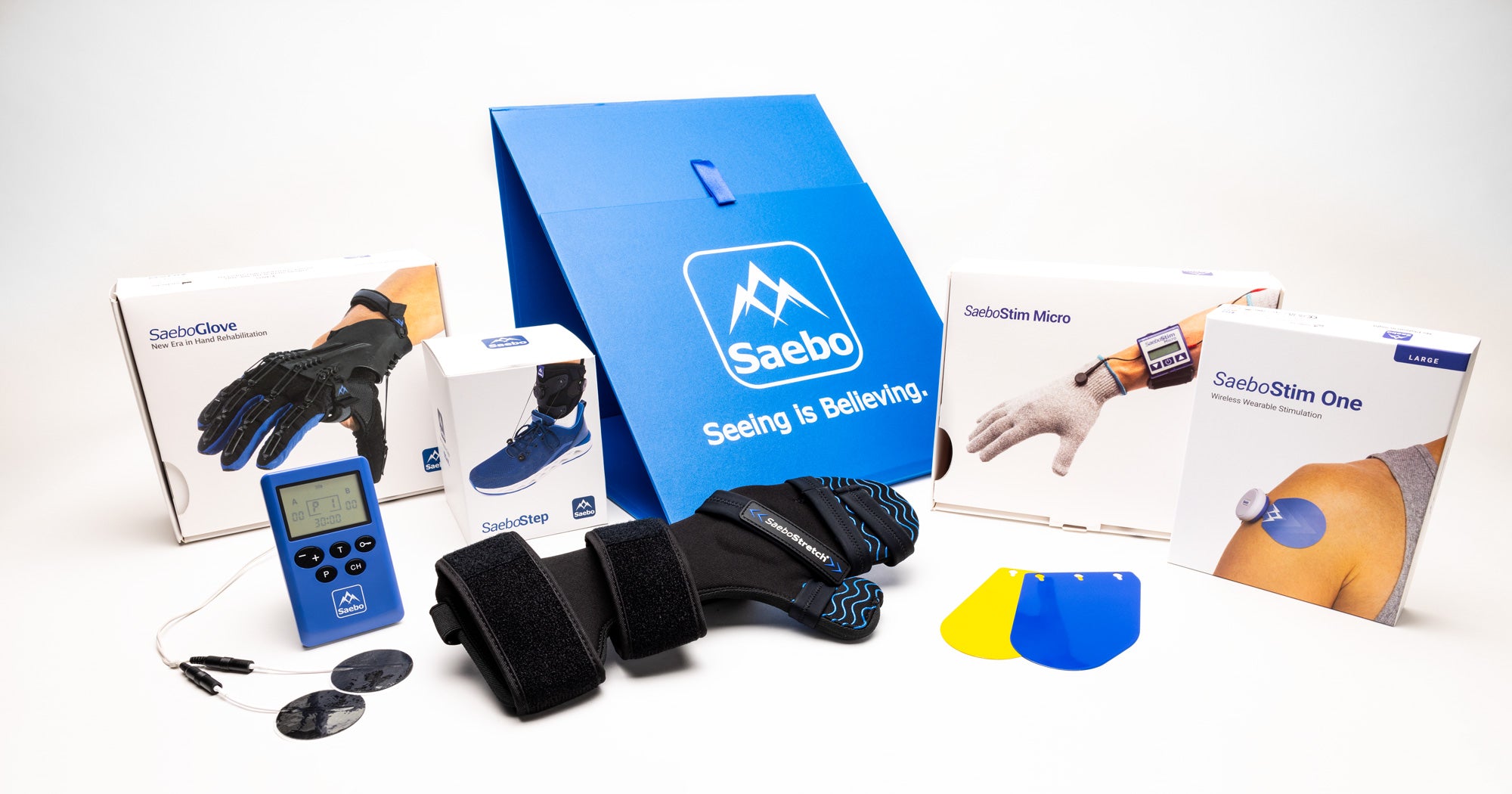
Many therapists also incorporate evidence-based rehabilitation tools and programs, including those developed by Saebo, to help individuals increase repetition, improve participation, and support upper-extremity recovery after stroke.
How Long Does CIMT Take to Work?
Recovery timelines vary from person to person.
Some individuals notice improvements within a few weeks, while others require several months of consistent practice before meaningful changes occur. Research suggests that improvements can occur even with one hour of daily practice, although many programs recommend closer to two hours per day over several weeks [3]. The most important factor is consistency. Small amounts of regular, high-quality practice are often more effective than occasional intensive sessions.
Frequently Asked Questions About CIMT Therapy
Can CIMT be done at home?
Yes. Modified CIMT programs are commonly performed at home with guidance from an occupational therapist or physical therapist.
Does CIMT work years after a stroke?
Potentially. Because neuroplasticity continues throughout life, many stroke survivors can still improve arm and hand function months or even years after their stroke.
What if I cannot fully open my hand?
Traditional CIMT may require some voluntary wrist and finger movement. However, other rehabilitation approaches may be appropriate if hand movement is limited.
How much practice is needed?
Many home programs recommend between 30 minutes and 2 hours of daily practice, depending on the individual's goals and abilities.
Is CIMT supported by research?
Yes. CIMT is one of the most extensively researched interventions for improving upper-extremity function after stroke and is widely used in stroke rehabilitation settings.
Conclusion
CIMT therapy is one of the most researched approaches for improving arm and hand function after stroke, and many survivors can successfully perform a modified CIMT program at home with appropriate guidance.
The process is straightforward: reduce reliance on the stronger arm and consistently practice meaningful, task-specific activities with the affected limb. Over time, these repetitive movements help stimulate neuroplasticity and improve functional use of the arm and hand.
Whether you're working with a therapist in a clinic or following a structured home program, consistency remains the key to success.
Track your progress, celebrate small victories, and remember that meaningful improvements in arm and hand function can occur months or even years after stroke through neuroplasticity.
Conclusion
All content provided on this blog is for informational purposes only and is not intended to be a substitute for professional medical advice, diagnosis, or treatment. Always seek the advice of your physician or other qualified health providers with any questions you may have regarding a medical condition. If you think you may have a medical emergency, call your doctor or 911 immediately. Reliance on any information provided by the Saebo website is solely at your own risk.
