
Foot Drop Braces After Stroke: Why Traditional AFOs Fail and How SaeboStep Supports Walking Recovery
Introduction
Finding a comfortable foot drop brace after stroke shouldn't feel like solving a puzzle, yet that's what many stroke survivors and caregivers face every day. Foot drop after stroke affects mobility, balance and walking efficiency, and research suggests roughly 20% of stroke survivors experience persistent foot drop during recovery [1]. Most end up with traditional AFOs that are bulky and difficult to use on their own.
Many traditional ankle braces for foot drop help improve toe clearance but may also create new challenges related to comfort, mobility, gait mechanics and independence. Patients often can't find appropriate shoes to wear with foot brace devices. Due to the complexity, caregivers often spend extra time helping with donning and doffing and compliance drops when the device interferes with natural movement. Foot drop occurs when weakness or impaired neural signaling limits the ability to lift the front of the foot during walking, often increasing fall risk and reducing independence during daily activities.
We've seen these challenges firsthand – that’s why Saebo developed the SaeboStep. This low-profile and flexible AFO alternative offers a different approach to foot drop aids and addresses what traditional AFOs often miss.
Common Problems with Traditional AFOs
Traditional AFOs can present barriers that extend beyond simple inconvenience and may affect long-term stroke recovery, walking confidence and adherence to rehabilitation programs. The design limitations of conventional ankle brace for foot drop devices affect patient independence, comfort and long-term compliance.
Difficulty Donning and Doffing (Especially One-Handed)
Stroke survivors with hemiplegia face an especially frustrating challenge when they attempt to put on their AFO independently. Navigating putting a rigid device in shoe while also inserting your foot is an ongoing challenge.
Some stroke survivors struggle to return to work, community activities or independent daily routines because they require caregiver assistance for daily tasks, including placing their AFO. Children and adults with cerebral palsy encounter obstacles like these, as uncontrollable body movements and coordination difficulties make it almost impossible to hold the AFO stable while positioning their foot.
Rigid Design and Discomfort
The rigid construction that provides stability often sacrifices comfort. Poorly fitted AFOs lead to skin irritation and pressure-concentrated areas that cause calluses or bruising. Discomfort discourages consistent use. Redness or skin marks lasting more than 30 minutes after brace removal typically signal an improper fit.
Traditional rigid designs were originally developed to improve stability, but bulky materials and restricted ankle motion may increase fatigue, alter gait mechanics and interfere with more natural walking patterns. The hard footplate under the foot requires specific adjustments, such as removing shoe insoles and adding thin comfort padding, just to make the brace tolerable.
Shoe Compatibility Issues
Appropriate shoes to wear with foot brace devices become a secondary problem. Many patients require larger shoes with additional depth and width to accommodate a traditional AFO, which can make finding supportive footwear for stroke recovery more difficult. Many require wide or extra-wide widths to accommodate the additional bulk.
Effect on Functional Movement
A brace that works against natural movement creates a cascade of problems. Patients waste energy compensating when the fit is too tight or loose which may lead to fatigue. New knee, hip or back discomfort after starting AFO use often indicates the device is disrupting proper body mechanics. An uneven gait, compensatory walking patterns and uneven shoe wear may indicate that the brace is interfering with functional mobility, walking efficiency and overall gait rehabilitation goals.
How SaeboStep Solves the AFO Brace Problem
The SaeboStep is part of Saebo’s neurorehabilitation approach to improving mobility, gait training and functional independence for individuals recovering from stroke and other neurological injuries. Conventional options fall short, but this AFO alternative tackles each limitation we outlined earlier with specific engineering solutions. Because walking recovery after stroke often requires repetitive gait practice and consistent mobility training, comfort and usability play an important role in long-term brace compliance.
What the SaeboStep Is and How It Works
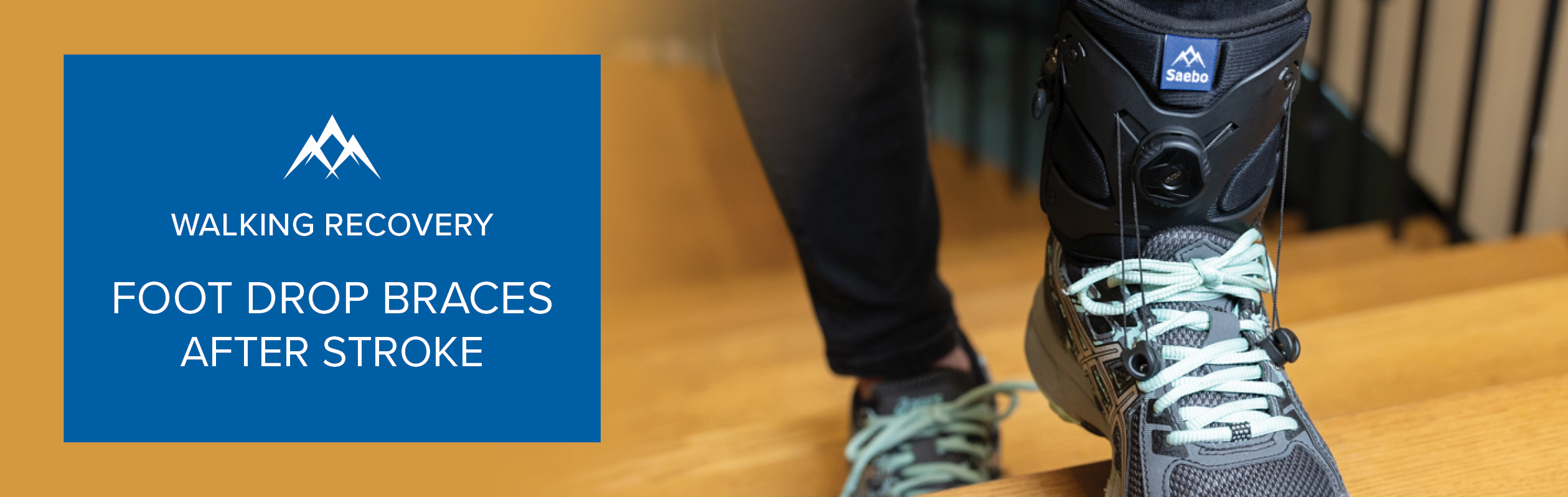
The SaeboStep attaches externally to footwear rather than sitting inside the shoe. A lightweight ankle strap connects to high-strength cords that run along the shoe's eyelets and provide adjustable lift through a dial system. The cords are crafted from high density polyethylene making them viable for long-term, daily use.
Easy One-Handed Application
The clamp-style attachment allows users to put the brace on and take it off with one hand. A magnetic fastener system on the ankle cuff clicks into place, reducing the fine motor coordination and dexterity required. This eliminates the struggle stroke survivors face at the time they try to stabilize traditional AFOs. The dial technology adjusts tension with a turn and again supports greater independence for those with limited dexterity.
Comfortable, Non-Rigid Design
Because the brace sits outside the footwear, the foot and ankle can move more naturally during walking and functional mobility activities. This external design reduces pressure, bulk and friction while improving airflow around the foot. The device provides dynamic support rather than rigid control. Comfort is maintained during extended daily use.
Works with Most Shoes
The SaeboStep can be adjusted to fit essentially all shoes ranging from sneakers to hiking boots and even sandals. An additional attachment, The Barefoot, also allows this device to support you without needing to wear shoes. An available accessory kit enables modification of shoes without eyelets.
Supports Natural Gait Mechanics
The dynamic design supports more natural ankle dorsiflexion and walking mechanics while still improving toe clearance during gait. Toe clearance and walking efficiency improve without restricting dorsiflexion. Some users even run while wearing the device at the time they reach that recovery phase.
Rehabilitation professionals often combine gait training, strengthening exercises and orthotic support to help encourage neuroplasticity and improve walking recovery after stroke.
Promotes Functional Independence
Rehabilitation professionals incorporate the SaeboStep into gait training and therapeutic exercise programs. The device supports consistent foot clearance and helps users maintain participation in daily activities across clinical and home environments.
AFO vs SaeboStep: A Practical Comparison
Research on orthotic compliance helps explain why many stroke survivors seek alternatives that better support comfort, independence and long-term walking recovery.
Usability and Independence
Research shows 37% of AFO users struggle with compliance. One main difference lies in application method [2]. Many traditional AFOs require two hands for proper application, which may create a significant barrier for individuals with hemiparesis or limited upper extremity function after stroke. This presents an insurmountable barrier if you have hemiparesis. The SaeboStep's clamp-style attachment allows one-handed donning and removal. This difference affects whether patients can dress independently or require caregiver assistance for simple mobility.
Comfort and Compliance
Heat and discomfort are common reasons many people stop wearing traditional AFOs consistently. In-shoe designs can feel bulky, restrict airflow and require larger shoes to accommodate the brace. The SaeboStep’s external design helps reduce bulk inside the shoe while improving comfort and compatibility with everyday footwear. Some traditional rigid AFOs may also limit natural ankle movement during walking and rehabilitation activities, which can make gait feel less fluid over time.
Functionality and Gait Mechanics
Both traditional AFOs and external braces like the SaeboStep improve swing phase clearance and prepositioning of the foot for contact. However, rigid AFOs restrict ankle range of motion, which may contribute to less natural gait patterns and reduced ankle power. Dynamic external support allows the foot and ankle to move more naturally inside the shoe and reduces pressure and friction.
Clinical and Ground Applications
Rehabilitation professionals incorporate both traditional AFOs and the SaeboStep into gait training programs. The main difference is adjustability. Therapists can modify the SaeboStep's support level based on strength, balance, and recovery stage without changing footwear. The lightweight and low-profile design supports community mobility and independent walking across different environments in non-clinical settings.
Conclusion
Independence, mobility and walking confidence are critical parts of stroke recovery and long-term quality of life. The SaeboStep was designed to address many of the common limitations associated with traditional AFOs by supporting one-handed application, improved comfort and more natural gait mechanics. Note that this isn't about replacing every AFO prescription. It's about having a functional alternative for patients who struggle with conventional designs. For many stroke survivors, improved brace usability and walking support may help increase participation in daily routines, community mobility and rehabilitation activities with less caregiver assistance.
Frequently Asked Questions About Foot Drop Braces
These questions surface repeatedly in clinical practice when discussing foot drop management options.
What are the disadvantages of AFO braces?
AFOs reduce air circulation around the foot and ankle. This can lead to wound development. Some types make it harder to feel the walking surface and cause balance challenges. Traditional AFOs primarily compensate for muscle weakness and may not actively address the repetitive motor retraining often used during stroke rehabilitation and walking recovery programs. When you use an ankle brace for foot drop, your brain no longer activates neural pathways to lift the toes. In some cases, excessive reliance on rigid support may contribute to reduced active muscle engagement during walking tasks.
Can stroke patients put on an AFO independently?
Recovery from foot drop after stroke varies depending on stroke severity, rehabilitation intensity and overall neurological recovery. Many stroke survivors improve walking ability through consistent gait training, strengthening exercises, mobility practice and neurorehabilitation strategies focused on neuroplasticity.
What exercises help foot drop after stroke?
Physical and occupational therapists often recommend exercises that target ankle dorsiflexion, balance, walking mechanics and lower extremity strength. Common examples may include seated toe raises, marching, resisted dorsiflexion exercises and repetitive gait training activities.
What is the best alternative to an AFO for foot drop?
The SaeboStep addresses limitations found in rigid walking aids. Many inexpensive options cannot be applied one-handed. They lift the toes inadequately and lack sturdy support. They also wear out quickly.
How does the SaeboStep work?
The device uses a dial system on the ankle strap. Users can fine-tune tension and foot lift with a turn. This mechanism provides appropriate dorsiflexion support during walking.
What shoes work best with foot drop aids?
Supportive, enclosed shoes with firm heel counters and secure fasteners work best. The SaeboStep's external design fits sneakers, hiking boots, dress shoes and sandals.
References
Todo el contenido de este blog es únicamente informativo y no sustituye el consejo, diagnóstico ni tratamiento médico profesional. Consulte siempre con su médico u otro profesional de la salud cualificado si tiene alguna pregunta sobre una afección médica. Si cree que puede tener una emergencia médica, llame a su médico o al 911 de inmediato. Confiar en la información proporcionada por el sitio web de Saebo es bajo su propio riesgo.
