
How the SaeboStretch Dynamic Resting Hand Brace Supports Recovery
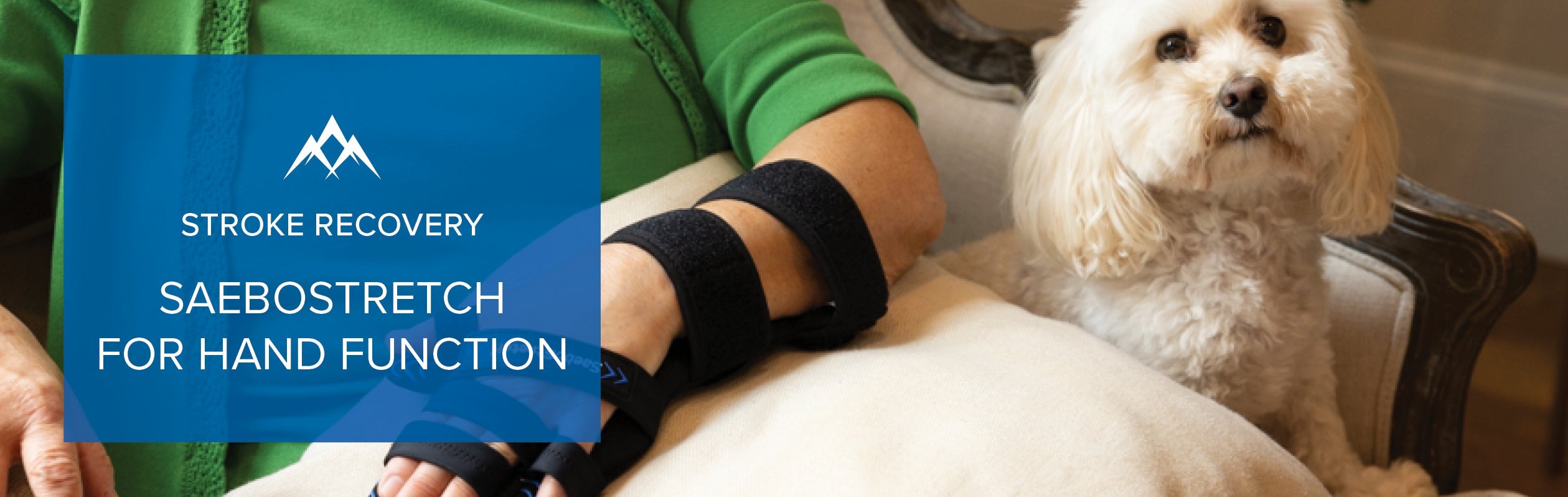
Unlike traditional rigid hand splints, the SaeboStretch uses a dynamic design to work with the hand’s natural movement patterns, providing gentle, controlled motion as muscle tone fluctuates. Its flexible hand plates, adjustable straps, and malleable metal components allow therapists and users to customize wrist, thumb, and forearm positioning, ensuring comfort, stability, and proper alignment.
Ideal for individuals recovering from stroke-related hand spasticity, traumatic brain injury, spinal cord injury, wrist fractures, tendon repairs, or conditions such as complex regional pain syndrome (CRPS), the SaeboStretch helps maintain range of motion, reduce the risk of contractures, and support functional hand use during daily activities and therapy. Designed for long-term wear, this adaptive resting hand brace combines comfort, versatility, and clinical effectiveness, making it a practical alternative to traditional static splints for preserving hand function and promoting recovery.
Why the Hand Becomes Tight After Stroke
After a stroke, damage to the brain disrupts signals to the muscles of the hand and wrist. This often leads to increased muscle tone, commonly called spasticity, which causes the fingers to curl and the wrist to stiffen. Without proper positioning and movement, prolonged spasticity can contribute to soft tissue shortening and contractures, limiting functional use of the hand over time.
Dynamic positioning strategies that accommodate changes in muscle tone are often more effective than rigid immobilization for long-term stroke hand recovery.
What Is the SaeboStretch Dynamic Resting Hand Brace?
The SaeboStretch is a flexible resting hand brace is hand splint designed for individuals who need hand protection due to an injury or to support safe positioning. Unlike traditional rigid resting hand splints, the SaeboStretch takes a more functional and neuro-informed approach to hand positioning and tone management.
At the core of the SaeboStretch is a flexible hand plate that allows it to be adapted to changes in muscle tone. As spasticity increases, the fingers are allowed to move safely into flexion, reducing excessive force on the joints. When tone decreases, the splint gently guides the fingers back into extension. This flexible stretching technology helps preserve hand range of motion while minimizing the risk of joint damage, skin breakdown, and discomfort commonly associated with static splints.
By working with normal hand movement patterns rather than resisting them, the SaeboStretch allows long-term comfort, positioning, and compliance for individuals managing upper extremity spasticity.
The Problem with Rigid Braces
Traditional static resting hand splints have commonly been used to manage contractures and hand positioning after neurological injury. However, rigid splints immobilize the wrist and fingers in a fixed position, preventing natural movement and adaptation to changes in muscle tone.
When spasticity increases, these braces can place excessive pressure on the finger joints and soft tissues, leading to discomfort and reduced tolerance. Prolonged immobilization may also contribute to muscle disuse, joint stiffness, and decreased flexibility. Some research suggests that static splinting, if not carefully managed, may worsen pain or negatively affect upper extremity function [1].
The SaeboStretch addresses these limitations with a dynamic design that allows controlled movement while maintaining proper positioning. Three interchangeable hand plates with varying resistance levels allow the brace to be adjusted based on tone and individual needs, making it well suited for individuals in the early to mid-stages of recovery.
Key Features That Set SaeboStretch Apart
The SaeboStretch differs from traditional resting hand splints by accommodating changes in muscle tone, stiffness, and joint positioning commonly seen in upper extremity spasticity. While commonly used in neurological rehabilitation, this resting hand brace is also effective for orthopedic injuries, prolonged immobilization, and other conditions that limit comfortable hand extension.
The SaeboStretch allows the fingers to move in response to changes in resistance rather than holding them in a fixed position due to the flexible digit plates. Its energy-storing hand plate flexes as resistance increases and gently guides the hand back into extension as resistance decreases. This adaptive design helps reduce joint stress, improve comfort, and support long-term positioning across a range of clinical applications.
The SaeboStretch is designed with practical, user-focused features that enhance comfort, control, and customization:
- Malleable Metal Design: The splint includes adjustable metal components that can be carefully bent to customize wrist, thumb, and forearm positioning. This allows therapists and users to tailor the fit to individual needs, improving alignment and protects joints in both neurological and orthopedic conditions.
- Multiple Straps for Stability: Strategically placed straps secure the hand and wrist, maximizing wear tolerance and stability during wear. These straps help keep the hand in proper position without restricting normal movement, making the brace suitable for daily activities, therapy sessions, or sleep. In addition to multiple wrist, hand and forearm straps, there are also straps specifically for the thumb, one for the fingers, and specific to the pinky to ensure it is secure.
- Extensive Velcro Coverage: Nearly the entire volar (palm) side of the splint features Velcro, allowing multiple fastening placements. This versatility enhances comfort, ensures a secure fit, and accommodates hands of different sizes or shapes.
Together, these features make the SaeboStretch a highly adaptable and tolerable option for promoting hand positioning, improving range of motion, and supporting long-term recovery across a wide range of conditions.
A Dynamic Solution for a Dynamic Problem
The SaeboStretch comes with three color-coded hand plates, yellow, red, and blue, offering different resistance levels so users can adjust as their strength or flexibility changes. Its adjustable straps and wrist and thumb components provide a personalized fit, ensuring control and comfort during use. Padded surfaces and a non-slipcover help maintain the natural arch of the hand while preventing irritation.
Designed for daily wear, the SaeboStretch can be used during activities or sleep, giving steady support without the discomfort that often causes patients to abandon traditional braces. This makes it a practical option not only for neurological recovery but also for orthopedic injuries, stiffness, or limited hand mobility.
Why Hand Splints Work Best When Combined with Active Hand Exercises
While a resting hand splint improves positioning and stability, meaningful stroke hand recovery requires active use of the hand. Therapists often recommend combining tone-responsive splinting with guided exercises to promote neuroplasticity and functional improvement.
Examples of complementary hand activities include:
- Assisted finger extension and release
- Weight-bearing through the affected hand
- Task-specific training such as grasp-and-release practice
- Bilateral hand activities during daily routines
When used alongside targeted exercises, the SaeboStretch helps sustain alignment while supporting safe participation in therapy and everyday tasks. To learn more about upper limb recovery exercises, check out the Saebo Recovery Guide Here.
Who Can Benefit from SaeboStretch and How
The SaeboStretch is designed for individuals with neurological or orthopedic conditions that affect hand mobility, strength, or positioning. Its movement-accommodating design and adjustable support make it versatile for a variety of patient needs, supporting daily activities, rehabilitation, and long-term hand function.
Post-Stroke and Traumatic Brain Injury
Patients recovering from stroke or traumatic brain injury often experience hand spasticity after stroke, leading to stiffness, involuntary finger flexion, or early contracture formation. The SaeboStretch is most effective for individuals with mild to moderate stiffness who can open their hand with assistance, making it well suited for early to mid-stage stroke hand recovery. It positions the hand to prevent muscle shortening and maintains a functional stretch. The splint also accommodates fluctuations in muscle tone, allowing the fingers to bend the flexible plate to reduce pressure and prevents the hand from “falling out” of the straps. As tone stabilizes, the plates gently guide the fingers back into extension, supporting both long-term compliance and functional use during therapy and daily tasks.
Spinal Cord Injuries (SCI)
Individuals with spinal cord injuries are at high risk for contractures and involuntary hand movements. The SaeboStretch provides low-load, prolonged stretch to promote range of motion without stressing the joints. Its flexible design allows consistent, comfortable positioning during rest or sleep, helping patients preserve hand function and prevent complications.
Orthopedic Cases (Wrist Fracture, Tendon Repairs, CRPS and More)
The SaeboStretch is also beneficial for orthopedic rehabilitation. Its adjustable wrist mount and customizable support help patients recover from wrist fractures, tendon repairs, or conditions such as complex regional pain syndrome (CRPS). The splint delivers gentle, targeted stretch without adding pressure spots, and its soft, flexible materials make extended wear more tolerable. By maintaining proper positioning, it supports both recovery and functional use, allowing patients to engage safely in daily activities.
Conclusion
The SaeboStretch resting hand splint offers a modern, adaptable solution for individuals seeking safe, effective use during stroke hand recovery and spasticity management. Unlike rigid splints that immobilize the hand and risk discomfort, joint stress, or reduced mobility, the SaeboStretch works with the natural movement of the fingers and wrist. Its flexible hand plates, energy-storing design, and adjustable components provide controlled motion, accommodating changes in muscle tone, stiffness, or recovery needs.
With features like malleable metal for customizing wrist, thumb, and forearm positioning, multiple straps for secure support, and extensive Velcro coverage for a comfortable, personalized fit, the SaeboStretch ensures stability without sacrificing function. The three color-coded hand plates allow users to adjust resistance levels as their strength or flexibility improves, making it suitable for daily wear, therapy sessions, or sleep.
This non-static brace supports a wide range of conditions, including neurological injuries such as stroke, traumatic brain injury, and spinal cord injury, as well as orthopedic issues like wrist fractures, tendon repairs, or complex regional pain syndrome (CRPS). By maintaining proper hand alignment and gently guiding the fingers into functional positions, the SaeboStretch helps prevent contractures, preserve range of motion, and enhance functional use during daily activities.
Whether used in early recovery or as part of long-term rehabilitation, the SaeboStretch provides an adaptable, and clinically informed approach to managing hand spasticity and maintaining functional positioning. For patients and therapists seeking an effective, user-friendly alternative to traditional static splints, the SaeboStretch represents a versatile solution that promotes recovery, comfort, and lasting hand function.
References
All content provided on this blog is for informational purposes only and is not intended to be a substitute for professional medical advice, diagnosis, or treatment. Always seek the advice of your physician or other qualified health providers with any questions you may have regarding a medical condition. If you think you may have a medical emergency, call your doctor or 911 immediately. Reliance on any information provided by the Saebo website is solely at your own risk.
