
SaeboStep: A Dynamic Foot Drop Brace Designed for Natural, Comfortable Walking
Foot drop is a common condition after stroke, nerve injury, or neurological disease that can make walking difficult, limiting independence and affecting daily life. Traditional ankle-foot orthoses (AFOs) and other foot drop braces often provide the support needed but can be bulky, uncomfortable, and restrictive, making everyday activities harder and sometimes limiting natural gait mechanics. The SaeboStep foot drop brace offers a modern solution, designed to address these limitations while supporting more natural movement during gait training, rehabilitation, and everyday walking.
Foot drop treatment often includes strengthening exercises, gait training, and the use of orthotic devices to improve dorsiflexion and reduce the risk of tripping while walking. Common rehabilitation strategies for foot drop include dorsiflexion strengthening exercises, neuromuscular re-education, balance training, and the use of supportive braces when needed for safety.
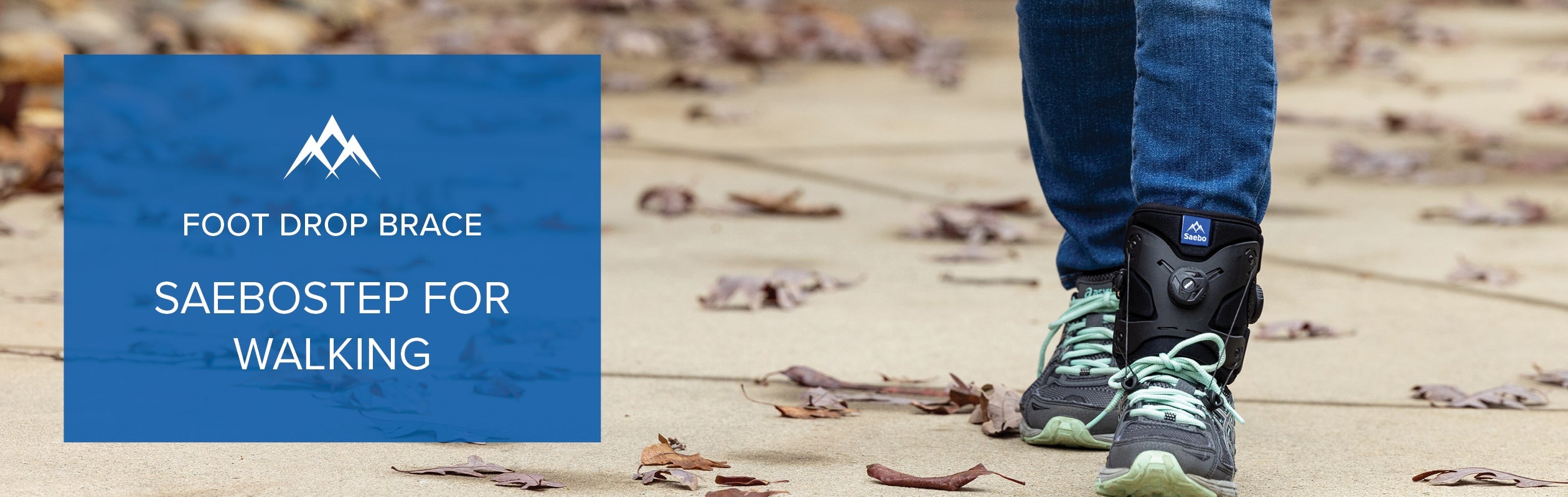
Unlike conventional rigid ankle-foot orthoses, the SaeboStep attaches externally to footwear, providing adjustable, dynamic support that improves toe clearance and walking efficiency. Its lightweight, low-profile design fits a wide range of shoes, from sneakers to sandals, while an intuitive dial system lets users fine-tune foot lift for a personalized fit. The one-handed donning feature further empowers individuals with limited dexterity to put the brace on quickly and independently.
Whether for rehabilitation, daily tasks, or community mobility, the SaeboStep combines comfort, versatility, and real-world usability. By supporting safer, more confident walking and accommodating both neurological and orthopedic conditions, it helps users regain mobility, reduce the risk of trips and falls, and participate fully in daily life. With its focus on adaptability, ease of use, and wearer comfort, the SaeboStep is redefining what effective foot drop support can look like, helping people move safely, comfortably, and independently.
What Is the SaeboStep and How Does It Work?
The SaeboStep is a lightweight external foot drop brace designed to improve toe clearance, walking efficiency, and ankle dorsiflexion during gait. Unlike traditional ankle-foot orthoses (AFOs) worn inside the shoe, the SaeboStep attaches to the outside of footwear, offering dynamic foot drop support without restricting normal ankle movement. Some individuals use rigid AFO braces for stability, while others benefit from dynamic foot drop braces that allow more natural ankle movement during walking.
A key feature is its adjustable dial system on the ankle strap, which allows users to fine-tune tension and foot lift with a simple turn. This helps achieve appropriate dorsiflexion support during walking. The system uses high-strength cables which provide durable and consistent lift and typically last up to a year with regular use.
The external design allows the SaeboStep to be worn with many types of footwear, including sneakers, hiking boots, dress shoes, and sandals. An optional accessory kit enables use with shoes that do not have eyelets, unlocking the ability to have the support you need with any shoe you may prefer.
Comfort, fit, and functional mobility are central to the design, allowing the brace to be used during rehabilitation, exercise, and daily walking activities. The adjustable ankle strap fits securely around the ankle, allowing the brace to accommodate a wide range of users without excessive bulk or discomfort. Together, these components work to provide reliable foot clearance while supporting a more natural gait. The SaeboStep addresses common limitations of traditional foot drop braces, including rigid in-shoe designs and bulky external options that restrict comfort, durability, or footwear choice.
In many rehabilitation programs, foot drop braces are used together with physical therapy exercises to help retrain walking patterns and improve long-term recovery. In early recovery, braces may be used for safety, while later stages of rehabilitation may focus more on strengthening and improving voluntary ankle control.
How SaeboStep Compares to Traditional Foot Drop Braces
Traditional rigid ankle-foot orthoses (AFOs) can present several challenges for people with foot drop. These braces typically restrict ankle motion, which may affect balance, propulsion, and overall walking efficiency, especially during gait training or stroke rehabilitation. Most rigid AFOs wrap around the calf, ankle, and foot, creating a fixed structure that limits natural movement.
Limitations of Traditional Rigid AFOsComfort, Flexibility, and Long-Term Wearability
The bulky design and rigid materials used in many standard AFOs can lead to discomfort during daily wear. These braces often require larger or specialized footwear and restrict ankle range of motion, which may contribute to less natural gait patterns and reduced ankle power.
In contrast, the SaeboStep’s external design allows the foot and ankle to move more naturally inside the shoe, reducing pressure, bulk, and friction. Because the brace is worn outside the footwear, it improves airflow around the foot and eliminates many common in-shoe discomfort issues. The SaeboStep is part of a range of rehabilitation products developed by Saebo to support recovery after neurological injury and improve functional mobility.
Over time, rigid braces can create challenges with long-term wearability due to heat buildup, skin irritation, and prolonged immobilization, which may reduce muscle activation needed for recovery. The SaeboStep provides dynamic support rather than rigid control, helping users maintain comfort and mobility during extended daily use.
Single-Handed Donning
The SaeboStep offers a simpler application process compared to many traditional and low-cost foot drop braces. Some braces require two hands to apply, which can be difficult for individuals with limited dexterity or hemiparesis.
The SaeboStep’s clamp-style attachment allows users to put it on and take it off with one hand, supporting greater independence during daily use. This feature is especially helpful for individuals with neurological conditions, including stroke, that affect upper extremity function.
Overall, the SaeboStep’s external design, adjustability, and focus on real-world usability help address key limitations commonly associated with conventional foot drop braces.
No Shoes, No Problem
The SaeboStep Barefoot option lets users enjoy the freedom of movement without wearing shoes, providing reliable foot drop support while keeping the foot in natural contact with the ground. Its secure, adjustable strap and lightweight, low-profile design deliver comfort, consistent toe clearance, and dynamic dorsiflexion assistance without bulk or friction.
Perfect for home use, therapy sessions, or activities where shoes aren’t practical, this option gives users the independence to move freely and confidently. With the same adjustable dial system as the standard SaeboStep, support can be fine-tuned for daily activities or rehabilitation exercises, combining freedom, comfort, and mobility in one versatile solution.
For many individuals, combining a dynamic brace with strengthening exercises for foot drop can help improve walking mechanics and support safer mobility over time.
Who Can Benefit from the SaeboStep
Medical conditions that cause foot drop or reduce ankle or foot control often need special support to help people move better. The SaeboStep foot drop brace helps many people who struggle with this challenging condition.
Neurological Conditions
The SaeboStep is frequently used by individuals with neurological conditions that impair lower extremity control and coordination. Stroke survivors commonly experience foot drop due to weakness or altered muscle activation and may benefit from dynamic foot drop braces during walking, gait training, and rehabilitation exercises.
People living with Parkinson’s disease, multiple sclerosis, or amyotrophic lateral sclerosis (ALS) may also use the SaeboStep to assist with foot clearance while allowing more natural ankle movement compared to rigid bracing. In addition, individuals with traumatic brain injury, spinal cord injury, or cerebral palsy may benefit from its external, adjustable design.
The SaeboStep can also be helpful for those with Guillain-Barré syndrome or peripheral nerve injuries affecting the lower limb, where variable levels of weakness may require customizable support.
Use in Rehabilitation and Everyday Walking
The SaeboStep is designed for use in both clinical rehabilitation and everyday environments. Rehabilitation professionals, including physical therapists and occupational therapists, often incorporate it into gait training and therapeutic exercise programs. In clinical practice, therapists may adjust the level of support provided by a brace depending on the individual’s strength, balance, and stage of recovery.
Outside the clinic, the lightweight and low-profile design supports daily activities, community mobility, and independent walking at home or in the community. Users may feel more secure walking on sidewalks, in parks, or on gently uneven terrain. By supporting consistent foot clearance, the SaeboStep helps promote independence and continued participation in daily activities across different settings.
During recovery, some individuals use a brace temporarily while strength and coordination improve, while others may use long-term support for safety and stability.
Other Conditions and Additional Uses
In addition to neurological causes, the SaeboStep may be appropriate for individuals with orthopedic or neuromuscular conditions that result in temporary or chronic foot drop. This can include foot drop following lower extremity surgery, lumbar spine conditions, or muscle or tendon injuries that affect ankle dorsiflexion.
The SaeboStep can also be useful during recovery phases, when individuals are transitioning away from rigid bracing or require adjustable support that can change as strength and control improve. Its external design allows clinicians to modify assistance levels without changing footwear or interrupting daily routines.
Some users benefit from the SaeboStep during longer walking distances, higher-fatigue activities, or uneven terrain, even if they do not require constant support indoors. This flexibility makes it a practical option for individuals who need situational assistance rather than full-time bracing.
As with any foot drop treatment, appropriate use should be guided by a healthcare professional to ensure proper alignment, safe gait mechanics, and the best possible rehabilitation outcomes. A healthcare professional should determine whether a foot drop brace is appropriate based on the individual’s diagnosis, strength, and walking ability.
Conclusion
The SaeboStep redefines foot drop support by combining comfort, flexibility, and real-world usability in a single, easy-to-use device. Unlike traditional rigid braces that restrict movement or even require specialized shoes, the SaeboStep attaches externally, giving users adjustable, dynamic support while allowing the foot and ankle to move naturally. Its lightweight, low-profile design fits a variety of footwear, from sneakers to sandals, and the one-handed donning system empowers individuals with limited dexterity to put it on quickly and independently.
Whether in rehabilitation, gait training, or everyday life, the SaeboStep helps people with foot drop move with greater confidence and safety. In therapy, it reinforces safe walking patterns, supports dorsiflexion, and improves mobility during foot drop rehabilitation. By supporting consistent foot clearance, it reduces the risk of trips and falls and encourages continued participation in daily activities.
The SaeboStep is ideal for individuals experiencing foot drop due to stroke, neurological conditions, nerve injury, or orthopedic causes who need a lightweight foot drop brace for safer walking. Its adjustable support makes it suitable for full-time use, situational assistance, or transitional phases during recovery. With its combination of durability, adaptability, and user-focused design, the SaeboStep empowers individuals to move safely, comfortably, and independently, helping them regain control over their mobility and return to daily activities with greater confidence. Many people ask whether foot drop can improve over time, and in some cases strength and control can return with therapy, while others may continue to benefit from long-term brace support.
Saebo rehabilitation products, including the SaeboStep, are commonly used by therapists in neurological rehabilitation programs to help improve walking ability, safety, and independence.
All content provided on this blog is for informational purposes only and is not intended to be a substitute for professional medical advice, diagnosis, or treatment. Always seek the advice of your physician or other qualified health providers with any questions you may have regarding a medical condition. If you think you may have a medical emergency, call your doctor or 911 immediately. Reliance on any information provided by the Saebo website is solely at your own risk.
