
How to Prevent Learned Non-Use After Stroke: A Step-by-Step Recovery Guide
Introduction
Many stroke survivors develop learned non-use, which can limit arm and hand function. However, permanent disability is preventable through evidence-based stroke arm recovery exercises, high-repetition task-specific rehab, and guided Saebo-supported therapy programs. Recovery windows remain available for years after stroke, and meaningful upper limb functional recovery can occur 2–5 years or more post-stroke when evidence-based rehabilitation protocols are followed.
Learned non-use occurs when the brain suppresses use of the affected limb after stroke due to weakness or difficulty performing tasks. Even mild movement limitations can lead to neglect of the affected arm and hand, reinforcing this pattern over time. The good news: overcoming learned non-use is possible with evidence-based strategies such as Constraint-Induced Movement Therapy (CIMT), functional electrical stimulation (FES), task-specific exercises, and Saebo-assisted rehabilitation programs.
In this piece, we'll walk you through proven methods to prevent learned nonuse and restore function to your affected limb.
Understanding Learned Non-Use After Stroke
A stroke causes neural shock. The brain then begins a learning process that suppresses the use of the affected extremity. This phenomenon, called learned non-use, develops when survivors experience weakness or paralysis on one side of the body. Even with regular occupational or physical therapy, using the affected limb can be challenging in the early recovery stages. Survivors may feel frustrated when daily tasks—like buttoning a shirt, holding a cup, or turning a doorknob—become difficult, sometimes causing them to skip home exercises. Saebo devices can support safe, high-repetition practice to maintain consistency.
The pattern unfolds in a predictable way. Stroke survivors often compensate for their weaker arm by using their stronger arm, which can lead to persistent motor learned non-use. Over time, they may neglect functional hand and arm movements, reinforcing the non-use pattern. Function on that neglected side deteriorates over time until it becomes nonexistent or suppressed. Therapists refer to this gradual reduction as learned non-use.
Beyond simple disuse, learned non-use can result in muscle atrophy, joint stiffness, reduced range of motion, long-term contractures, and functional limitations in everyday tasks. Targeted, repetitive practice—supported by devices like the SaeboGlove—can prevent these changes and promote recovery. Without intervention, the affected hand and arm may lose functional mobility, potentially resulting in deformities. The good news is that targeted strategies and daily practice can prevent these changes and help you regain function over time.
Difference Between Paralysis and Learned Non-Use
Learned non-use differs from paralysis: the affected arm retains some movement, but survivors often favor the stronger limb, reinforcing non-use. Task-specific exercises, neuroplasticity-focused interventions, and Saebo-assisted training can help the brain relearn arm and hand function. This behavioral suppression can be reversed with task-specific stroke rehab exercises and neuroplasticity-focused interventions. Sometimes, a person avoids using the affected arm because early attempts feel difficult or frustrating. Over time, this habit reinforces learned non-use—but it is not permanent. With task-focused exercises and consistent practice, the brain can relearn how to use the affected limb and regain meaningful function.
Evidence-Based Strategies to Prevent Learned Non-Use
Recovering the use of your arm and hand after a stroke takes active practice—but it’s worth it. Research shows that recovery works best when exercises are done frequently, feel meaningful, and resemble real-life tasks [1]. The goal is to keep your affected limb active, so your brain continues to “remember” how to move it.
High-Repetition, Task-Specific Training
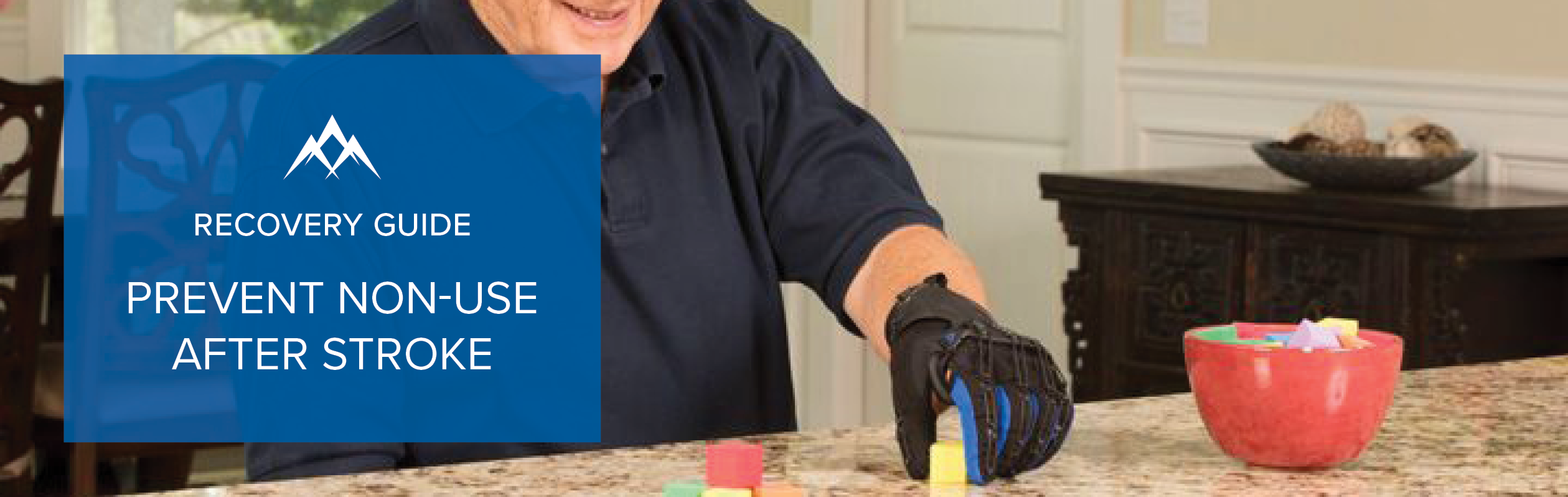
High-repetition, task-specific stroke exercises—such as reaching for cups, buttoning clothing, turning doorknobs, stacking blocks, or lifting lightweight objects—help your brain and muscles relearn coordinated arm and hand movements. Devices like the SaeboGlove support these repetitions safely, even for those with weak grip strength. While traditional therapy sessions often include only a few dozen repetitions, lasting improvement usually comes from hundreds of repetitions per session. These can be broken into short, daily practice sessions that feel manageable and meaningful.
Bilateral Training
Bilateral arm training exercises—where both arms move simultaneously—enhance post-stroke hand and arm recovery, improve coordination, and reduce learned non-use. Incorporating SaeboGlove-assisted bilateral exercises or mirror therapy can increase repetitions and promote functional gains, even with limited strength. Devices like the SaeboGlove or mirror-guided trainers make it easier to move your weaker hand while your brain relearns coordination. Even 15 minutes a day of guided bilateral practice can make a difference over time.
Mental Practice: Motor Priming Techniques
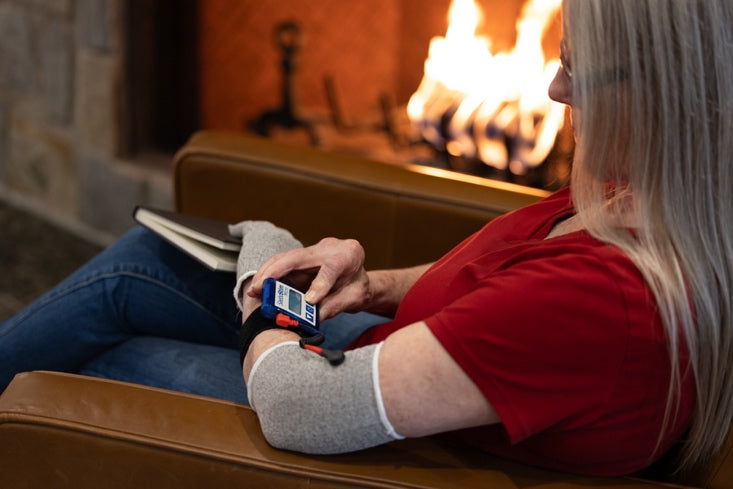
Even when your arm feels too weak to move, your brain can still practice. Imagining movements or watching someone else perform them activates the same brain areas as actual movement. Combining this mental practice with real exercises can help your hand and arm regain function faster. Tools like the SaeboStim Micro provide gentle stimulation to the hand, helping your muscles respond and reinforcing these brain signals.
Proven Treatment Approaches for Overcoming Learned Non-Use
Several treatments can help you regain use of your affected arm or hand after a stroke. These approaches encourage movement, build strength, and help your brain relearn how to control your arm and hand, reducing the risk of long-term learned non-use.
Constraint-Induced Movement Therapy (CIMT)
Constraint-Induced Movement Therapy (CIMT) encourages the brain to prioritize the weaker arm by limiting the stronger side. Modified CIMT programs, supported by SaeboGlove-assisted therapy at home, make intensive rehabilitation accessible, safe, and effective, even for survivors with minimal finger or wrist movement. Traditional CIMT involves several hours of daily practice over a couple of weeks, but modified CIMT programs, often using devices like the SaeboGlove, make it easier to practice safely at home while still being effective.
To participate, patients need a small amount of movement in their wrist and fingers, but for those with more severe weakness, devices like the SaeboGlove allow modified CIMT so that even minimal hand movement can be practiced safely. Consistent practice, rather than just restraining the strong arm, is what helps build real functional gains.
Functional Electrical Stimulation (FES)
FES uses small, gentle pulses of electricity to help your muscles move in your affected arm or hand. When combined with daily exercises, FES can increase strength and improve function faster. Some systems even respond to your own muscle signals, making movements feel more natural and easier to practice.
Saebo-Based Rehabilitation Approach
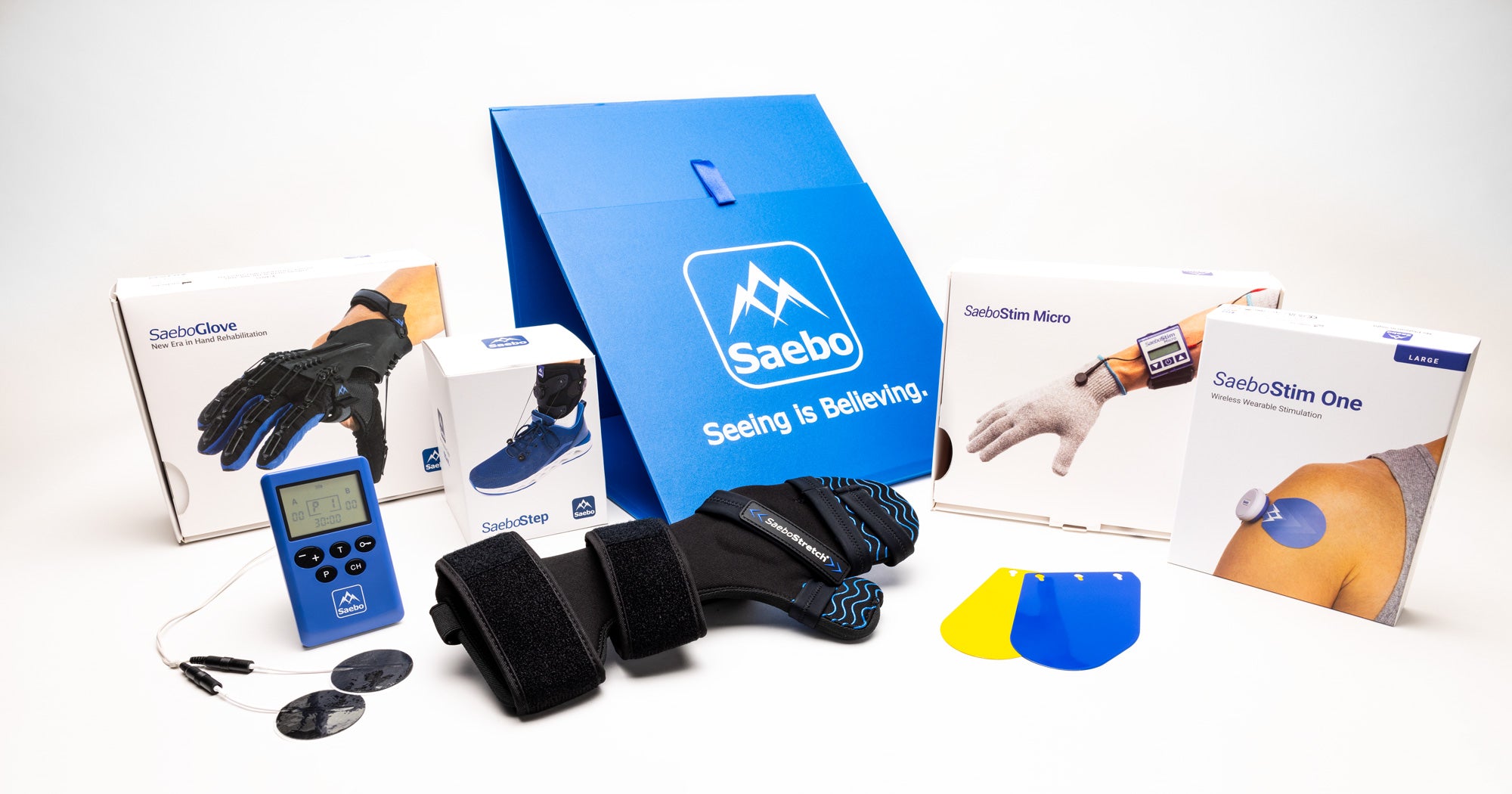
The SaeboGlove assists hand opening and closing with gentle tension bands, enabling repetitive, task-focused exercises even in severely weak hands. Using the SaeboGlove can improve hand function, complement CIMT and FES therapy, and increase the likelihood of regaining functional use, helping prevent learned non-use over time. This allows for repetitive, task-focused exercises that help your brain relearn movement patterns. Research shows using the SaeboGlove can improve hand function and support modified CIMT programs, letting more survivors regain functional use and reduce the risk of learned non-use [2].
Conclusion
You now have a complete roadmap to prevent and reverse learned non-use after stroke. Recovery remains possible years after your original injury when you commit to evidence-based protocols.
Consistency is the biggest thing: high-repetition practice and task-specific training matter. CIMT, FES, or Saebo-based approaches all work, but taking action today is what counts.
Your affected limb can tap into more potential than you think. Start reclaiming it now.
Conclusion
All content provided on this blog is for informational purposes only and is not intended to be a substitute for professional medical advice, diagnosis, or treatment. Always seek the advice of your physician or other qualified health providers with any questions you may have regarding a medical condition. If you think you may have a medical emergency, call your doctor or 911 immediately. Reliance on any information provided by the Saebo website is solely at your own risk.
