
How to Walk Again After a Stroke: Recovery, Therapy, and Exercises
Walking after stroke is one of the biggest challenges during rehabilitation, and many survivors search for ways to regain walking ability after stroke through targeted therapy and stroke walking exercises. Regaining mobility after a stroke affects your independence, confidence, and quality of life. Approximately 50–80% of stroke survivors experience long-term impairment of the arm and hand, which highlights how common motor recovery challenges are after stroke [1]. Walking problems after stroke can be just as challenging due to hemiparesis, foot drop, balance impairments, and disrupted gait patterns, all of which can limit stroke walking recovery.
The good news? You can overcome the fear of walking after stroke and make real progress with the right approach. In this guide, we'll show you how to walk again after a stroke using targeted stroke walking exercises, gait rehabilitation strategies, and therapy techniques, along with innovative tools like SaeboStep and SaeboStim One that can support stroke recovery.
Understanding Walking Problems After Stroke
Walking is often difficult after a stroke due to the frequency of motor impairments that affect both coordination and balance, skills that are essential for normal gait. The resulting problems vary based on stroke location and severity. Several patterns emerge consistently across survivors.
Hemiparesis is weakness on one side of the body that commonly occurs after stroke, and it significantly reduces muscle strength compared to healthy individuals. Many stroke survivors also place less weight on the affected leg, leading to asymmetrical standing and walking patterns. This creates an asymmetric stance that compromises balance and increases energy expenditure. This weight-bearing asymmetry associates with slower walking speeds and reduced functional mobility.
Spatial neglect affects up to 30–50% of individuals after stroke, particularly when the right hemisphere of the brain is involved [2]. This condition disrupts the internal map of three-dimensional space. Survivors walk, sit, or stand in a tilted or unbalanced manner. People with spatial neglect may steer to one side, misjudge distances, or remain unaware they are leaning, which substantially raises fall risk.
Survivors face other mobility challenges beyond weakness and spatial issues, including post-stroke fatigue, muscle atrophy, and impaired gait coordination. Unfortunately, many people experience falls within the first 6 months of a neurological injury due to this weakness. Muscle atrophy begins in as little as one week of disuse, further weakening the legs and making recovery more difficult. Fatigue and foot drop add complexity to walking problems after stroke.
Exercises for Walking After Stroke
Targeted stroke walking exercises are the foundation of gait recovery after stroke. They address the specific impairments that limit mobility Core stabilization exercises play a significant role in gait rehabilitation, because trunk weakness affects posture, balance, and functional walking ability. The core musculature has abdominals, paraspinal muscles, hip joint muscles, and pelvic floor muscles. These work together to maintain an erect posture during standing and walking.
Bridging exercises improve weight bearing on the affected leg and help retrain walking mechanics after stroke. Survivors who performed bridge exercises for 20 minutes per day, five times per week for four weeks showed significant improvements in weight bearing on the affected limb. Variations include supine bridging, bridging on unstable surfaces, and unilateral bridging. Each targets trunk stabilization differently.
Ankle dorsiflexion exercises strengthen the muscles responsible for lifting the foot, which is essential for treating foot drop after stroke and improving walking safety. Resistance training that targets these muscles boosts dorsiflexion capabilities and improves gait patterns. Exercises progress from passive movements (using your hand to move the foot) to active toe raises and ankle eversion.
Balance training reduces fall risk while improving coordination and overall stroke mobility recovery. Weight shifting exercises, heel raises, toe standing, and single-leg stance challenge your stability. Leg strengthening through seated marches, sit-to-stands, and step-ups builds the muscle power needed for safe ambulation.
High-repetition practice activates neuroplasticity, the brain’s ability to reorganize and relearn movement after injury. Stroke rehabilitation programs that incorporate high-repetition gait training are associated with better walking recovery and improved long-term mobility.
Tools and Treatments to Support Walking Recovery
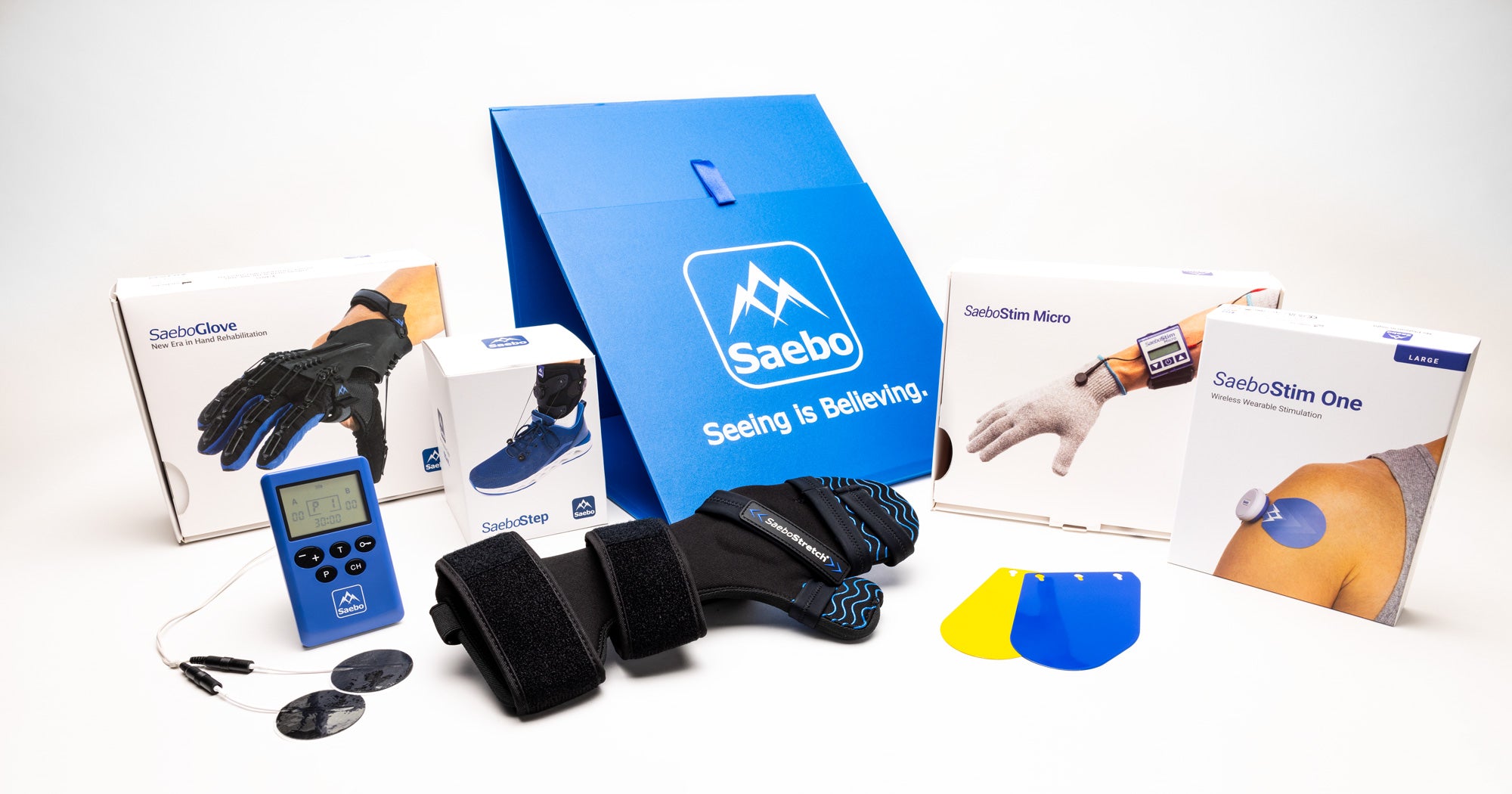
Several stroke rehabilitation tools and assistive technologies can accelerate walking recovery when combined with exercise therapy. The SaeboStep offers a lightweight alternative to traditional rigid braces for managing foot drop during stroke walking recovery. This soft AFO attaches to the outside of most shoes and features adjustable dial controls for toe lift. It works with footwear ranging from sneakers to sandals. The flexible design maintains ankle mobility and provides clearance during walking.
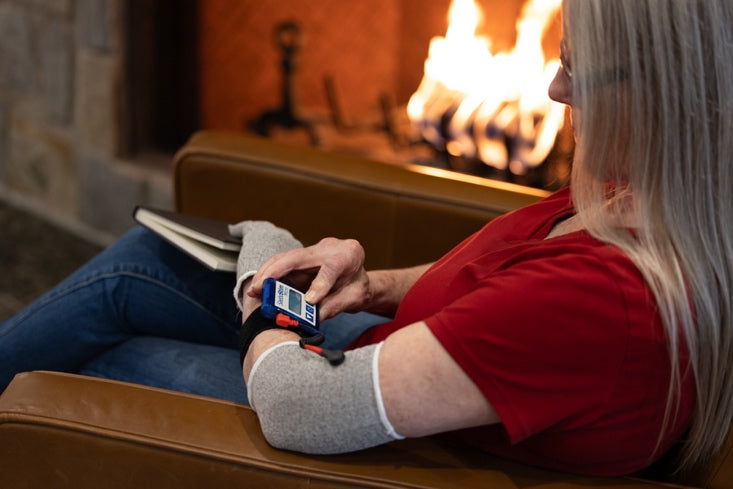
Functional electrical stimulation (FES) can improve muscle activation and coordination during stroke rehabilitation. It increases range of motion and decreases weakness and can also help with spasticity. The technology helps relearn proper muscle recruitment and timing in the affected leg. The SaeboStim One is small neuromuscular electrical stimulation that can be used to activate weak muscles and support neuromuscular re-education during stroke recovery. The SaeboStim Pro has a special triggered activitation button further expanding your ability to use it for FES.
Research confirms that combining electrical stimulation with physical therapy produces superior outcomes compared to exercise alone [3]. These tools are valuable additions to your rehabilitation program.
Conclusion
Recovering the ability to walk after a stroke takes consistent practice, targeted therapy, and the right rehabilitation tools. Repetitive stroke walking exercises and gait training help stimulate neuroplasticity, allowing the brain to relearn movement and improve mobility over time.
Supportive devices can also play a role in recovery. Tools like SaeboStep may help manage foot drop and improve walking safety, while electrical stimulation systems such as SaeboStim One or SaeboStim Pro can assist with muscle activation and neuromuscular re-education.
Progress takes time, but with consistent therapy and daily practice, many stroke survivors can regain meaningful walking independence.
FAQs
How can stroke survivors regain their ability to walk?
Stroke survivors can regain walking ability through repetitive practice of targeted exercises during therapy sessions and at home. Consistent rehabilitation exercises, combined with physical or occupational therapy and supportive devices when needed, encourage the brain to rewire itself and help restore mobility. The timeline varies based on stroke severity and individual health factors.
What methods help retrain the brain for walking after stroke?
Brain retraining for walking involves working with a physical therapist who provides specific rehabilitative exercises and practicing walking with proper gait patterns regularly. Repetitive movement practice is one of the most effective approaches, as it activates neuroplasticity—the brain's ability to form new neural connections and recover lost functions.
How long does it take to walk again after a stroke?
Recovery timelines vary significantly among individuals. Younger, physically strong survivors may regain walking ability within weeks to months, while those with more severe strokes or additional medical conditions may require several years. Some individuals may need ongoing support for independent walking, depending on the extent of their stroke damage.
What exercises are most effective for improving walking after stroke?
Core stabilization exercises, bridging exercises, ankle dorsiflexion movements for foot drop, balance training, and leg strengthening exercises are particularly effective. High-repetition practice is crucial—performing several hundred walking cycles per session during early recovery significantly improves outcomes by promoting neuroplasticity and muscle strength.
References
All content provided on this blog is for informational purposes only and is not intended to be a substitute for professional medical advice, diagnosis, or treatment. Always seek the advice of your physician or other qualified health providers with any questions you may have regarding a medical condition. If you think you may have a medical emergency, call your doctor or 911 immediately. Reliance on any information provided by the Saebo website is solely at your own risk.
